
Set up an aging parent's home from yours: the smart locks, cameras, sensors, and alert pendant that let you help without hovering.
Home Security Contracts vs. No-Contract Systems: What You Need To Know
Key takeaways:
- Home security systems with a contract generally include professional monitoring, which provides real-time emergency support. With no-contract systems, you are responsible for responding to any alerts.
- No-contract systems might seem cheaper than a contracted system, but the full price depends on many factors.
- Vivint HomeProtect is a security bundle that offers an affordable, no long-term contract option where you pay for equipment and professional installation up front, plus a monthly monitoring fee.
When shopping for a home security system, one of the first decisions you’ll face is whether to choose a contract or go the no-contract home security route. That choice affects how much you’ll pay upfront, the type of monitoring service you’ll get, and how flexible your setup will be over time.
Contracts often include professional installation, equipment financing, and around-the-clock monitoring. No-contract systems offer month-to-month freedom but may require more responsibility, including DIY installation, self-monitoring, and upfront equipment costs.
So which one is right for you?
This guide breaks down the real differences between contract and no-contract home security systems. You’ll learn what’s included in each model, how costs compare, and what trade-offs to expect so you can make the smartest choice for your home and your budget.
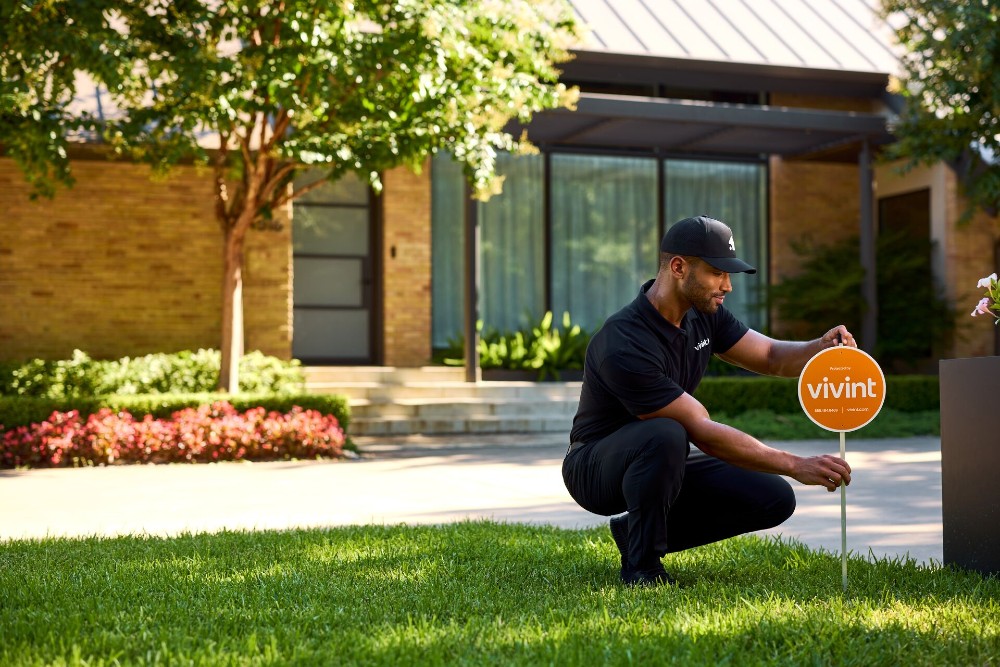
What does a home security contract include?
A home security contract spells out the services and terms you're agreeing to. It usually covers three main things: the contract’s duration, the monitoring service, and how you’ll pay for the equipment.
Most long-term contracts last between one and five years. During that time, homeowners pay a set monthly price for professional monitoring. This service connects your system to a monitoring center that can alert emergency responders if your alarm system goes off. It adds a layer of confidence, especially if you're not always home to check notifications.
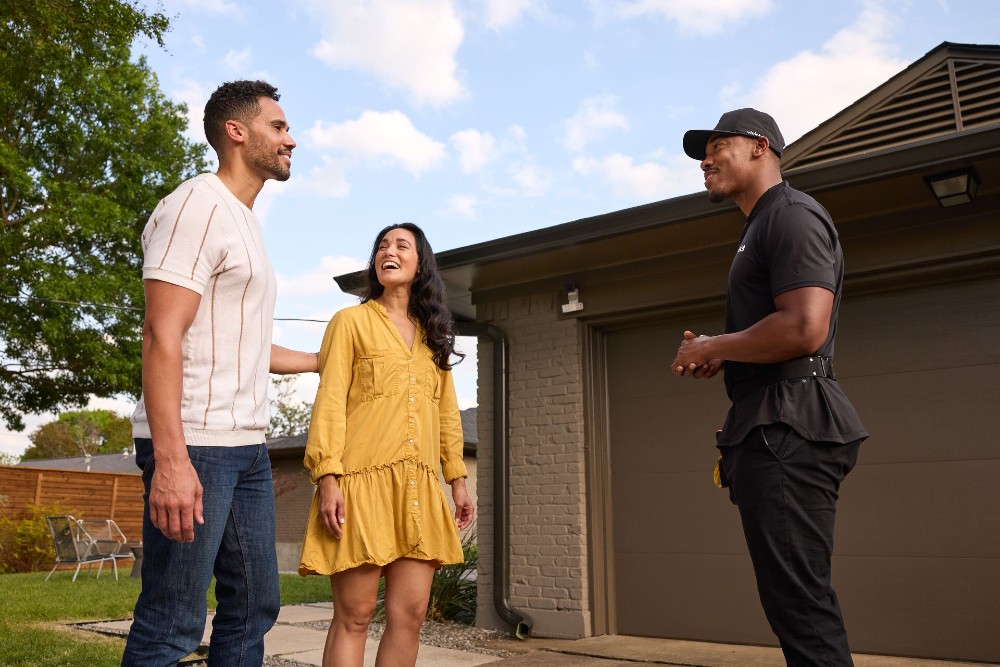
What’s typically bundled in a contract
These plans usually offer more than just monitoring:
- Financing options. Instead of paying thousands upfront, you can break the cost of the equipment into monthly payments.
- Professional installation. A technician installs your system and ensures everything works properly.
- Ongoing support. Most contracts include warranty coverage and maintenance, reducing the need for DIY fixes.
- Touchscreen equipment. Many systems include a central touchscreen panel that acts as the command center for your devices.
That bundled approach can save time and hassle, especially if you want a system that just works without constant troubleshooting.
Related article
DIY vs. Professional Home Security Installation
Cancellation policies and contract flexibility
While contracts may sound rigid, many security providers offer more flexibility than you might expect. These updates reflect the evolving needs of modern homeowners who want reliable service without feeling trapped.
What to expect from today’s contracts
Here are a few ways contracts can still offer room to adjust:
- Cancellation policy. Some contracts include terms that reduce penalties if you move or face hardship.
- Transfer options. If you’re relocating, you may be able to move your service or transfer it to a new homeowner.
- Upgradeable systems. Many plans let you add devices or change monitoring tiers without restarting the contract.
These updates make long-term contracts more manageable, providing homeowners with the peace of mind that they won’t be locked into something they can’t adapt to later.
What no-contract security systems really offer
No-contract security systems are built for flexibility. Instead of locking into a long-term agreement, you pay for the equipment upfront and choose from various monitoring options, including self-monitoring or month-to-month professional plans.
This model appeals to homeowners who want control over their setup. You can cancel at any time, switch providers, or move your system without penalties. That’s especially helpful for renters or anyone planning to relocate. But that convenience comes with tradeoffs.
Here’s how the benefits and drawbacks stack up:
Pros
Some key advantages of choosing a self-monitored home security system are:
- Flexible terms. No long-term commitment means you can cancel at any time without penalties.
- Lower monthly costs. Most self-monitoring plans are significantly cheaper than professionally monitored options.
- DIY installation. You can install your system on your own schedule without needing a technician.
- Smart home compatibility. Many systems support smart home devices and platforms like Apple HomeKit for added convenience.
Cons
Despite the benefits, self-monitored systems come with some notable drawbacks, including:
- Higher upfront cost. Equipment is typically paid for in full at the start, often totaling several hundred dollars.
- Limited support. Without a contract, ongoing maintenance and troubleshooting are your responsibility, especially during outages or connectivity issues, such as Wi-Fi disruptions.
- Less comprehensive coverage. Self-monitoring may not include real-time alerts, emergency responders, or cellular backup, reducing your peace of mind.
Many no-contract options fall under the category of DIY home security systems, giving users complete control over installation and configuration. For tech-savvy homeowners or renters who prefer managing their own smart home devices, including systems compatible with Apple HomeKit, no-contract systems can be a solid option.
Related article
Cheap vs. Smart Home Security
Vivint HomeProtect: The best of both worlds
With most security systems, choosing a no long-term contract option comes at the expense of invaluable features like professional installation and professional monitoring. But not with Vivint HomeProtect.
HomeProtect is an entry-level security system available at an affordable price, plus professional installation and professional monitoring.
There are two payment options available. Both include an upfront price and monthly monitoring cost:
- $199.99. This price point includes all equipment, free professional installation, and a reduced $24.99 monthly monitoring fee when signing a 36-month agreement.
- $349.99. This upfront cost does not require a long-term contract—simply pay your $29.99 monthly monitoring fee and have the flexibility to cancel anytime. Professional installation is an additional $199.
When paying the upfront cost for HomeProtect, there is no required long-term contract, but you’ll still get the benefits of a reliable Vivint system, plus professional installation (price not included in the upfront cost) and Vivint’s award-winning 24/7 Professional Monitoring.
Cost comparison: contract vs. no-contract systems
At first glance, a no-contract system might seem cheaper, but the full picture depends on how long you use it and what’s included. Comparing the total cost of ownership helps homeowners understand what they’re really paying for over time.
Let’s compare two scenarios: a Vivint system with a contract and the general range of DIY home security systems with no contract:
| Contract Systems vs. No-Contract Systems | |||
|---|---|---|---|
| Feature | Vivint | No-contract systems | |
| Upfront cost | Starts at $199.99 (equipment financing available) | ~$200–$500 for equipment paid up front(region-specific) | |
| Monthly monitoring fee | Starts at $24.99 per month | $0-$40 per month (self-monitoring or optional professional monitoring) | |
| Equipment ownership | Owned after the financing term ends | Owned immediately | |
| Professional installation | Required; often free | DIY installation | |
| Maintenance/support | Included | Limited or none | |
| Total estimated cost over three years | ~$1,100–$1,300 (with monitoring + financing)* | ~$1,100-$1,500 (depending on monitoring add-on + equipment) | |
*There are many factors that go into the price of your Vivint system. This is not a guarantee that your total cost over three years will equal this exact number.
This comparison shows that while DIY home security systems may offer lower monthly costs and more flexibility, the upfront price can be higher, especially without financing options. And while self-monitoring plans can work for some homeowners, they typically lack the professional support and real-time response provided by full-service monitoring.
Vivint’s bundled approach includes professional installation, equipment financing, and access to a 24/7 monitoring center—all of which can deliver peace of mind and simplify long-term system management.
Related article
Are Security Cameras Without Subscriptions Worth It?
Why some homeowners still prefer contracts
While no-contract systems offer flexibility, many homeowners still prefer the structure and simplicity of a long-term agreement. For some, the benefits go beyond convenience; they’re about confidence in the system and the service behind it.
A contract often includes professional monitoring, which provides 24/7 support and a faster emergency response. It also typically includes professional installation, so you don’t have to worry about mounting equipment like security cameras or configuring smart devices on your own.
What contracts offer beyond monitoring
Long-term agreements often bundle more value into the monthly fee:
- Financing options. Instead of paying up front, homeowners can spread the cost of the equipment over time.
- Ongoing support. Maintenance and warranty coverage are often included, which helps reduce unexpected costs.
- Smart home setup. Touchscreen panels and integrated features are configured by a technician for full functionality.
And while contracts sound rigid, many providers offer flexibility within them. For example, moving programs or having a clear cancellation policy can reduce the commitment stress. That’s a key point for homeowners who want reliable protection without giving up all control.
In the end, a contract system can feel more like a service than a product, and for many people, that peace of mind is worth it.
Related article
How to Find a Home Security System Installer Near You
What to expect with or without a contract
Beyond cost and commitment, a big difference between contract and no-contract systems is how they operate day-to-day. The features you rely on, such as alerts, emergency response, and cloud storage, can vary depending on whether you’re self-monitoring or connected to a professional monitoring center.
Contract systems: full-service functionality
These systems typically come with a wider range of built-in features:
- Real-time emergency support. A professional monitoring center is notified when alarms trigger and can dispatch emergency responders immediately.
- Mobile access and cloud storage. Most plans include a mobile app and cloud storage for video footage and system logs.
- Professional installation. A technician sets up your equipment for full coverage and ensures all smart home devices, from motion sensors to smart home integrations, are working properly.
No-contract systems: hands-on control
These setups still offer strong functionality but require more involvement:
- Self-monitored alerts. You’ll receive notifications through your mobile app, but you’re responsible for responding.
- Optional integrations. Some systems support smart home devices and cloud storage, but setup may require extra steps or fees.
- DIY troubleshooting. Without a contract, maintenance and tech support are usually up to the user.
Both options can deliver peace of mind—but the real difference is how much work you’re willing to take on to keep your system running smoothly.

Smart home compatibility and system add-ons
Whether you choose a contract or no-contract system, smart home compatibility plays a major role in overall convenience. From voice assistants to connected locks and lights, integration options can significantly enhance how your system functions.
Add-ons and integrations to look for
Most modern systems support a variety of smart home devices and platforms:
- Smart locks and thermostats. You can control these devices through your system’s mobile app or schedule it to run automatically.
- Video doorbells and indoor cameras. Add-ons like these provide real-time views and motion-triggered alerts.
- Voice assistant support. Many systems now integrate with Alexa, Google Assistant, or Apple HomeKit for hands-free control.
- Z-Wave compatibility. This wireless protocol lets multiple smart home devices work together, from lights to garage doors.
- Home automation features. Routines, scenes, and schedules can be created based on sensor activity or user preferences.
Look for systems that support high-quality video resolution in cameras and reliable automation features for a smoother smart home experience. Some DIY systems support these features, but setup may require more effort. With professional installation, smart home integration is typically configured for you, resulting in fewer hiccups.
Related article
How to Make a Smart Home
Security equipment and setup: What’s included
The equipment you get with a home security system varies by provider and plan, but most setups share a few core devices. Whether you’re going with a contract or a no-contract system, understanding what’s included can help you compare value and coverage.
Common devices in most systems
Here are the essentials that typically come with a standard setup:
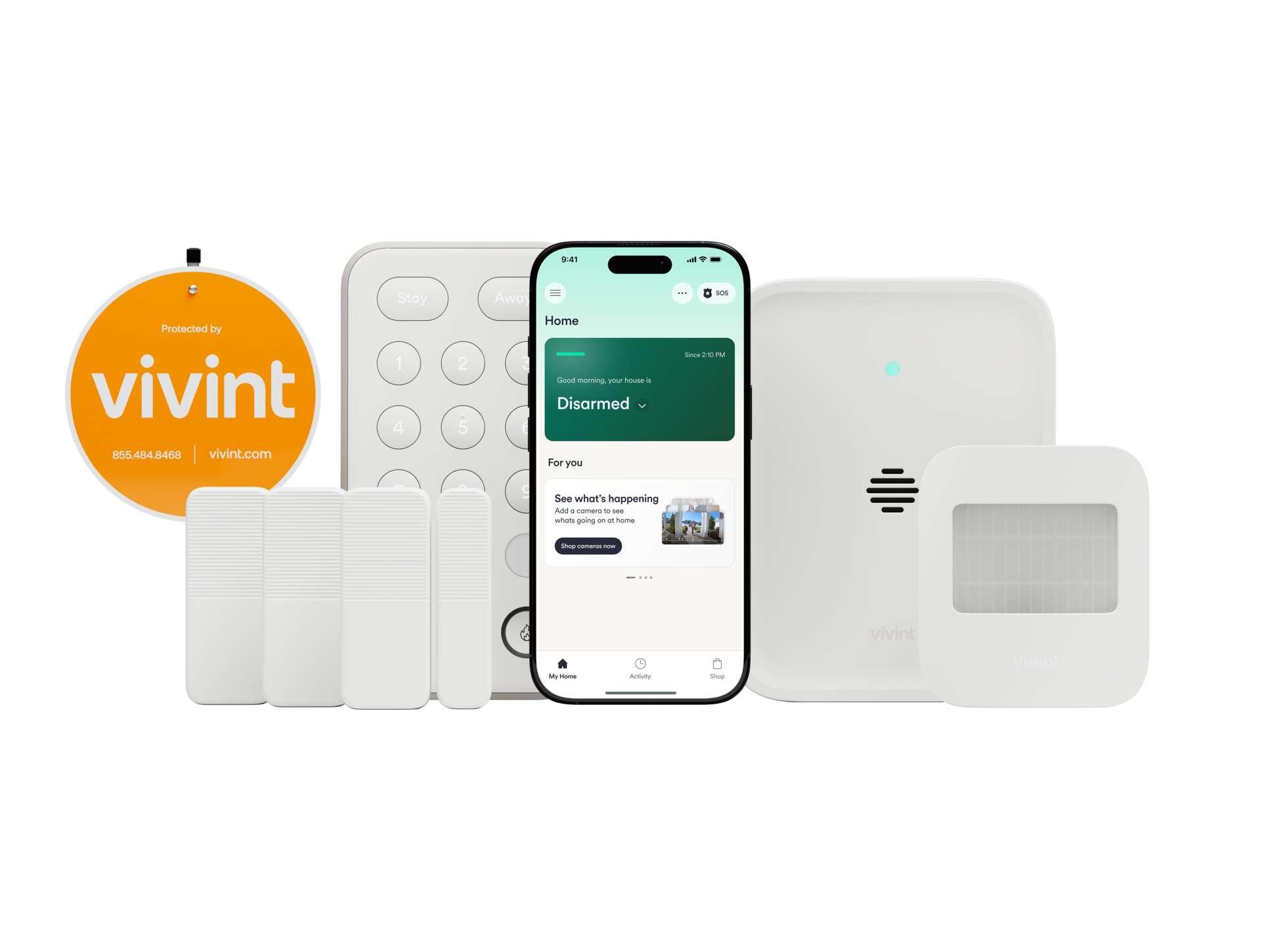
- Keypad. The location for the main hub, used for arming and disarming your system, is near the primary entry points.
- Door and window sensors. Devices like door sensors alert you when entry points are opened or tampered with.
- Motion detectors and motion sensors. These devices detect movement in designated areas and trigger alerts when the system is armed.
- Indoor and outdoor cameras. Record video footage, trigger alerts, and support real-time monitoring.
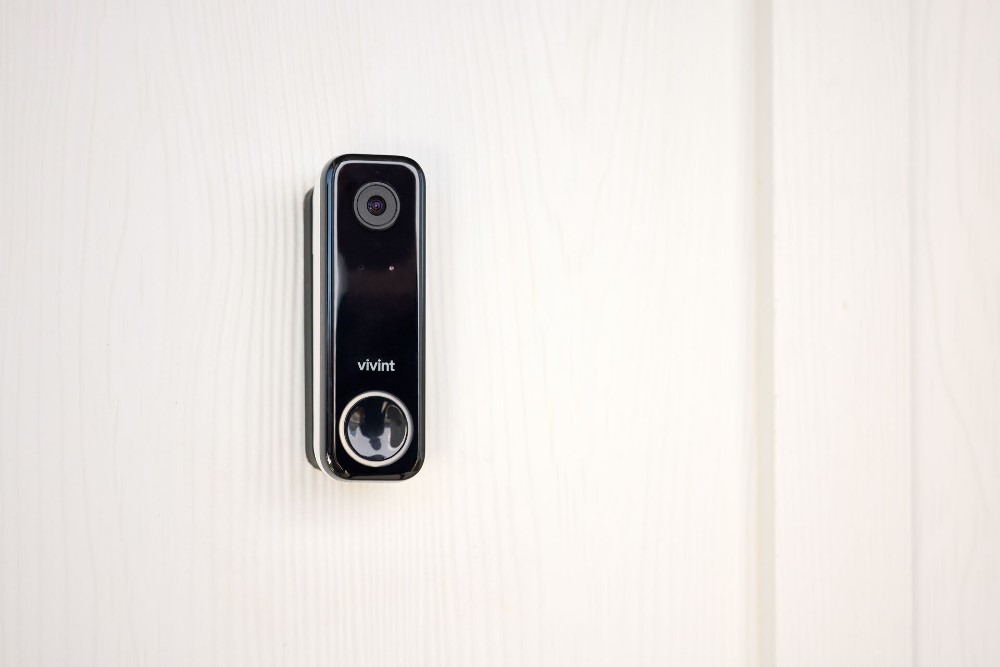
- Video doorbell. Let's you see and speak to visitors from your mobile app.
- Glass break and window sensors. Glass break sensors detect the sound frequency of breaking glass and alert you to potential intrusions.
- Night vision and hardwired options. Found in many security cameras and outdoor equipment for full-day coverage.
No-contract systems usually require DIY installation, which can limit placement or mounting flexibility. Vivint systems, by contrast, are professionally installed—and many of the components, such as sensors and cameras, require screw mounting for stability and performance.
The difference between professional monitoring and notifications
Each monitoring approach affects how notifications are handled and what happens when an alarm is triggered:
- Professional monitoring. When a door opens unexpectedly, or a sensor detects motion, the system sends a real-time alert to a monitoring service. If it confirms a break-in, it contacts emergency responders immediately—even if you're unavailable or unable to disarm the system.
- Self-monitoring. You’ll receive notifications through your mobile app and decide whether to take action. This method puts you in control, but it also means you must disarm false alarms and respond to real ones yourself.
- Wi-fi dependence. Many self-monitoring systems rely on Wi-Fi, which can impact reliability during an outage unless cellular backup is built in.
Choosing between self-monitoring and a full-service monitoring plan depends on how involved you want to be and whether you value around-the-clock professional support.
Related article
5 Reasons a Monitored Alarm System Is Worth It
Choosing the right home security setup
No two homeowners have the same needs, which is exactly why it helps to understand the difference between contract and no-contract home security systems. Contracts can reduce the upfront price, add monthly monitoring with professional support, and include perks such as maintenance and professional installation. No-contract systems, on the other hand, offer flexibility and fewer commitments, but often come with more responsibility and higher equipment costs.
Ultimately, the right choice comes down to your priorities: price, convenience, flexibility, and peace of mind. Vivint plans start at $199.99. All equipment comes with professional installation and ongoing support—so you can build a smarter, safer home with one of the best home security systems available.
Explore options for your home and give us a call at 855.822.1220 today.
FAQs
We answer common questions about contracts compared with no-contract home security systems.
Are long-term contracts worth it for security systems?
They can be, depending on what you’re looking for. Long-term contracts often include professional installation, 24/7 monitoring service, and maintenance support, which can simplify the experience for homeowners who want a hands-off, reliable setup. If you're willing to commit and prefer full-service coverage, the trade-off in flexibility may be worth the peace of mind.
Does Vivint have a no-contract option?
Vivint offers a no long-term contract security system called HomeProtect.
What are the benefits of a security contract?
A security contract usually comes with bundled benefits. These can include equipment financing, a dedicated monitoring center for real-time emergency response, and warranty protection. Some plans also support smart home integration and regular system upgrades.
Do no-contract systems have drawbacks?
Yes, while they offer flexibility and no long-term commitment, no-contract systems typically require a higher upfront cost and DIY installation. You may also need to handle self-monitoring and maintenance yourself. Without a professional monitoring service, there’s a risk of missing notifications during a break-in or outage.
Are no-contract home security systems reliable?
Most no-contract options are reliable, especially those with real-time mobile app alerts and optional cellular backup. But reliability can depend on wi-fi strength, user setup, and consistent use. Homeowners who are tech-savvy and proactive about updates often get the most out of these systems.
Can you add more devices to no-contract systems?
Usually, yes. Many no-contract systems allow you to expand by adding new smart home devices like cameras, sensors, or smart locks. However, setup is often manual, and compatibility can vary depending on the system’s technology—such as whether it supports Z-Wave or features like Alexa or Google Assistant integrations.
Get a free quote today.
A Vivint Smart Home Pro will contact you within 24 hours. Or skip the form and call now: 844.481.8630.
Everything works together
Combine products
for a safer home
You may also like:
Home Security
Best Smart Home Devices for Elderly Parents: A Caregiver's Remote Setup
Oct. 02, 2026

Home Security
Smart Home for ADUs and In-Law Suites: Privacy, Access, and Security on Both Sides of the Door
Plan smart locks, cameras, alarms, and safety sensors for an accessory dwelling unit (ADU) or in-law suite without oversharing security.
Sep. 23, 2026
Home Security
How Do Smart Locks Work?
Learn how smart locks work, how they connect to your home, and how keyless entry, remote access, and smart home integration can improve convenience and security.
Sep. 15, 2026
Related content
-
Vivint Monthly Pricing: How Much Does a Vivint System Cost?
See exactly what you'll pay monthly with Vivint — equipment, monitoring, and financing options compared across packages. No guesswork, no surprises.
-
AFFORDABLE HOME SECURITY SYSTEMS
Smart, affordable, and flexible—HomeProtect by Vivint is your entry point to smarter security. Compare options and explore key features.
-
Best Affordable Home Security Solutions for 2026
Affordable home security doesn’t mean cutting corners. Learn smart ways to protect your home with low-cost systems and monthly savings.


