
A home inventory gets insurance claims paid faster. See the 4 ways to document your home, ranked by speed, and why your cameras do it best.
The In-Depth Guide to Home Security System Costs in 2026
In 2026, home security systems typically cost $199–$2,500+ for equipment, $0–$199 for installation, and $20–$60/month for monitoring.
A home security system is an integrated network of devices (sensors, cameras, control panels, and smart home devices) designed to detect break-ins, monitor your property, and alert you or emergency responders to potential threats.
Key takeaways:
- Understand the true cost of owning a home security system in 2026
- Compare equipment, installation, and monitoring costs side by side
- Learn how to save on upfront costs and still get high-end protection
- Explore real-world scenarios to see how pricing can scale
- See how Vivint offers professional service with flexible financing options
In 2026, home security system costs can be more affordable and customizable than ever before. With both DIY and professionally installed systems on the market, homeowners can now choose options tailored to their space, budget, and desired level of control.
How much does a home security system cost in 2026?
Today's home security systems are more advanced than ever, combining AI-driven cameras, smart locks, and full home automation into a single ecosystem. Yet despite their sophistication, systems have become increasingly affordable thanks to flexible financing, package bundles, and competition among providers. That means homeowners can now access high-end features once considered premium without breaking their budget.
This guide breaks down that answer in detail, including what to expect from equipment, installation, and monthly monitoring fees. You'll also learn about emerging trends, pricing scenarios, and how smart home devices and integration can impact long-term value.
By getting a quote, you can get a more accurate picture of what your unique security system will cost.
Home security system costs summary (2026)
| Cost Category | Price Range |
|---|---|
| Equipment | $199–$2,500+ |
| Installation | $0–$199 |
| Monthly monitoring | $20–$60/month |
What determines the cost of a home security system?
No two homes are the same, and neither are security needs. The cost of your system depends on several variables, including:
- The size of your home and the number of entry points
- Whether you choose a DIY or professionally installed system
- The types of devices you include (e.g., indoor camera, smart locks, video doorbell)
- Whether you opt for professional monitoring or self-monitoring
- Additional features like cloud storage, mobile access, and smart home automation
Let's take a deeper look at each pricing component.
Download your free smart home guide.
Learn everything you need to know about the value and security of a smart home in one quick, easy read.
Core cost categories: What you're really paying for
Most home security systems include three main areas of expense:
- Equipment costs. This includes the physical devices, such as sensors, security cameras, locks, control panels, and detectors.
- Installation fees. Depending on whether you choose DIY or professional installation, this can range from free to several hundred dollars.
- Monitoring and subscription plans. Professional monitoring services come with a monthly fee, typically tied to system features and storage options.
Equipment costs: What devices do you need?
Security equipment is the most variable part of the total cost. A system like Vivint HomeProtect that has essential security devices like door sensors and a motion detector costs as little as $199.99 with free install when signing a three-year agreement, while a fully connected smart home system could easily reach $2,500 or more.
Here's a breakdown of common devices:
- Door and window sensors. Trigger alerts when entry points are opened
- Motion detectors. Monitor movement in larger spaces
- Glass break sensors. Detect shattered windows
- Control panel or base station. Serves as the system's brain
- Keypads and mobile app access. For arming/disarming and alerts
- Smoke and carbon monoxide detectors. Provide life safety monitoring
- Indoor and outdoor cameras. Vary in resolution, storage, and features
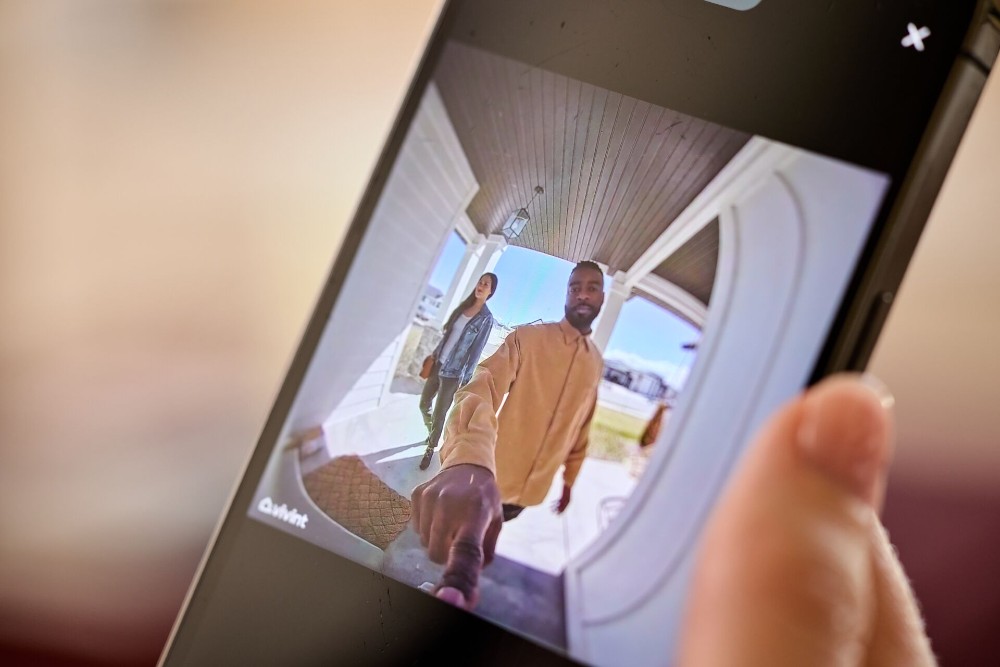
- Video doorbells. Combine front-door security with live video
- Smart locks, lighting, and thermostats. Add automation and control
Many homeowners start with a starter kit and gradually add devices as needed.
Camera costs and video storage
Camera prices typically range from $100 to $400 per device. Features that affect pricing include:
- Image quality (HD vs. 4K)
- Motion detection and person recognition
- Field of view and pan-tilt control
- Cloud vs local storage
- Two-way audio
- Integration with smart home platforms
While some security cameras still use microSD cards for local recording, most now rely on cloud storage, which might add $5 to $15 per month for video review and archiving.
Depending on your home and needs, this is one area you might want to splurge on. For example, outdoor cameras can add both security and long-term value; many homeowners see a strong ROI from outdoor security cameras by preventing incidents before they happen.
Smart home automation and connected devices
Security systems now go far beyond alarm systems. Today's smart home security solutions offer control over lighting, thermostats, garage doors, and more. These devices not only increase convenience but can help reduce energy waste, minimize false alarms, and simplify your day-to-day routines.
Popular add-ons include:
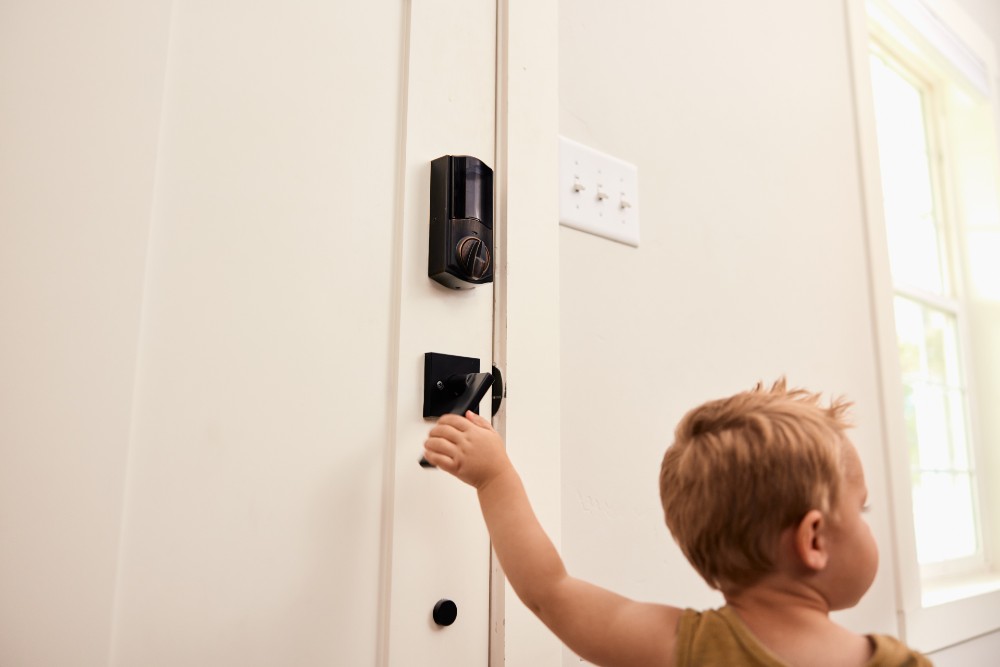
- Smart locks. Remotely lock or unlock doors and grant temporary access to guests, service providers, or family members.
- Smart lighting. Program lights to turn on at set times, mimic occupancy while you're away, or respond automatically when motion is detected.
- Smart thermostats. Adjust heating and cooling schedules based on whether your system is armed, saving energy without sacrificing comfort.
- Motion sensors. Detect activity in designated areas, trigger lights or alarms, and integrate with your mobile app to send real-time notifications when movement occurs.
- Smoke detectors. Detect smoke and heat, triggering alarms and alerts for faster emergency response.
These upgrades often increase equipment costs but may qualify for rebates or energy savings.
Related article
How Much Does Alarm Monitoring Cost?
Installation costs: DIY vs. professional setup
DIY home security systems are marketed for easy self-installation and typically come with zero installation fees. You unbox, place the devices, and activate the system yourself.
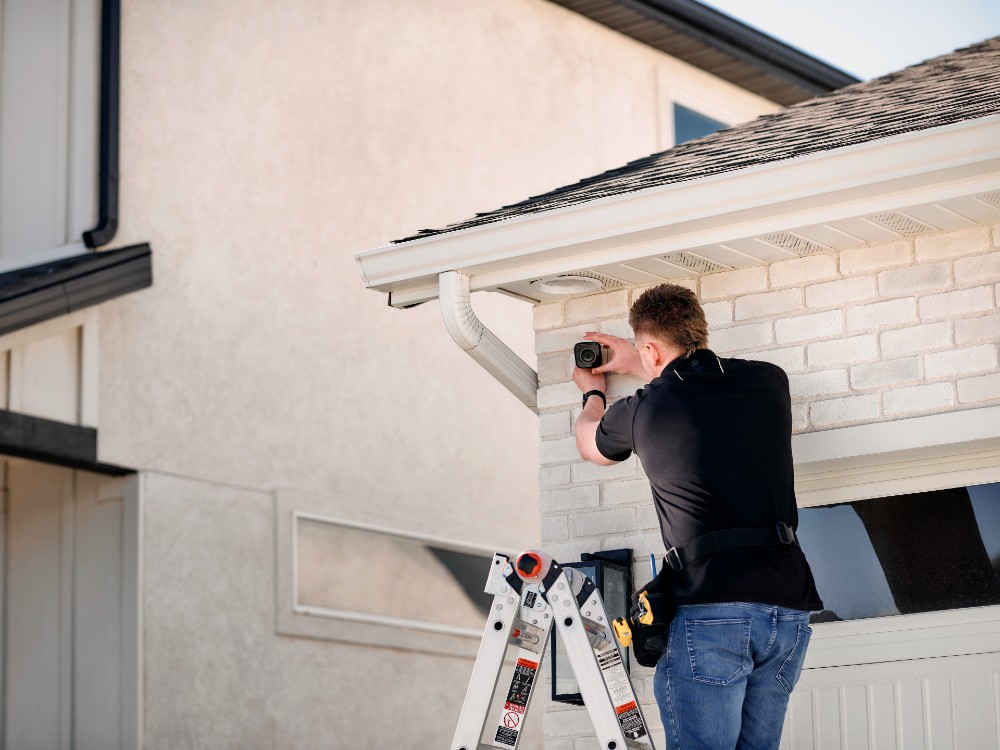
Professional systems (like Vivint) are installed by trained technicians who assess your home's layout, test the equipment, and ensure correct placement.
While DIY security kits may save some money, comprehensive professionally installed systems still range in cost based on customization.
Average installation fees in 2026
| Installation Type | Cost |
|---|---|
| DIY self installation | $0 |
| Professional installation | $99–$199 |
| Promotional offers | Often free with qualifying purchases |
The price of installing a home security system depends on whether you choose a DIY kit or a professionally installed system. DIY setups generally have no installation fees, since homeowners handle setup themselves. Professionally installed systems, however, come with an upfront charge that covers expert placement, wiring, and system testing.
The average costs for installation vary widely. Some security companies also charge additional activation fees, while others, including Vivint, often run promotions that offer free professional installation with qualifying packages.
- DIY systems. $0 (you install everything yourself)
- Professional installation. $99-$199, though some companies offer free installation promotions..
Monitoring plans and monthly fees
Professional monitoring ensures trained responders are alerted when your system detects a threat. This service adds a monthly fee, but provides faster emergency response and reduces the burden on homeowners.
Typical monthly monitoring costs:
- Basic monitoring. $20-$35/month
- Smart home monitoring. $35-$50/month
- Video and cloud storage. $50-$60+/month
Vivint monitoring plans start at $24.99 per month, with options to scale up based on automation, video, and support preferences.
Related article
How Much Does a Vivint System Cost?
Additional costs and hidden fees
Don't forget to factor in the following potential costs:
- Activation fees. $50-$100 with some providers
- Warranty coverage. Extended protection may add $5-$15/month
- Relocation fees. May apply if you move and reinstall your system
- Add-ons. Emergency pendants, extra keypads, or entry sensors
Ask your provider upfront about these extras so you're not caught off guard.

Total monthly cost: What to expect
When budgeting for a home security system, your total monthly payment will include your equipment financing (if applicable) and monthly monitoring fees.
Typical total monthly costs:
-
Budget ssystem: $25–$50/month (basic monitoring only, equipment paid upfront)
-
Mid-range system: $50–$80/month (equipment financing + standard monitoring)
-
Premium system: $80–$120/month (financed equipment + video monitoring + cloud storage)
For example, a homeowner financing $1,500 in equipment over 36 months at 0% APR would pay approximately $42/month for equipment, plus $25–$60/month for monitoring—totaling $67–$102/month.
The cost of not having a system
A home security system is an investment—not just in devices, but in safety, time savings, and convenience. Monitored systems may qualify for homeowners' insurance discounts, help deter break-ins, and allow faster emergency response.
Plus, professionally installed systems reduce the risk of false alarms, missed coverage, and faulty connections that can lead to costly consequences later.
Break-ins cost the average victim over $2,600 in losses and damage, according to the FBI. Investing in a reliable, well-monitored system can prevent even a single burglary, and that alone may justify the upfront and ongoing expense.
Professional installation as a long-term savings strategy
While DIY systems may seem cheaper initially, improperly placed sensors or misconfigured devices can lead to gaps in coverage, missed alerts, or costly false alarms. Professional installation ensures your system is calibrated and optimized, and that means fewer mistakes and better outcomes.
Why smart integration changes cost-benefit analysis
A modern security system isn't just about protection. It's about managing your home. When you integrate thermostats, smart lights, locks, and surveillance cameras, you create a seamless, responsive environment that saves time, energy, and effort. That kind of value goes beyond just dollars and cents.
What's your peace of mind worth?
In 2026, home security is about smart, connected protection that fits your lifestyle. Whether you want to go all-in with professional monitoring and automation, or keep things simple with DIY sensors and self-monitoring, there's a solution that meets your needs.
Vivint offers flexible pricing, professional installation, and expert guidance, so you don't have to choose between home safety and affordability.
Wondering what a Vivint system would cost for your home? Call 855.822.1220 for a free quote or visit Vivint monitoring plans and pricing to explore current packages.
Related article
What is Security Camera Preroll?
FAQs
Before you finalize your decision, it's natural to have questions. Let's review some of the most common concerns homeowners have when evaluating home security costs and choosing between DIY and professional systems.
How much does a Vivint security system cost?
Vivint HomeProtect starts at just $199.99 with free installation, plus a reduced $24.99 monthly monitoring fee when signing a 36-month agreement.
Do I have to pay monthly for a home security system?
If your system includes professional monitoring, yes, a monthly fee likely applies. Prices for monitoring typically range from $20 to $60, depending on features like video storage, mobile access, and smart automation. Self-monitored systems may avoid monthly costs but lack emergency support and backup.
Is professional installation worth it, or should I DIY?
Professional installation is worth it for most homeowners. If you're tech-savvy and live in a small space, DIY installation may work fine. But professional installation ensures everything works properly and covers all entry points. Vivint's licensed installers set up devices, test them, and place sensors where they'll be most effective, which reduces false alarms and missed coverage.
Can I customize my system to reduce costs?
Absolutely. Most providers, including Vivint, allow you to start with a base package and add devices over time. You can also reduce costs by choosing self-monitoring or financing equipment with 0% interest plans.
How much does security equipment usually cost?
Equipment costs can range from $200 for a basic setup to $2,500+ for large homes with smart home integrations. The more devices and automation you want, the higher the upfront cost, but also the higher the convenience and protection.
What if I move to a new home?
Most companies let you transfer your system, though relocation fees may apply. Vivint makes this process easy—just give us a call to discuss your options.
Get a free quote today.
A Vivint Smart Home Pro will contact you within 24 hours. Or skip the form and call now: 844.481.8630.
Everything works together
Combine products
for a safer home
You may also like:
Smart Guides
How to Make a Home Inventory for Insurance
Oct. 05, 2026

Smart Guides
Types of Home Security Contracts Explained
Read on to compare long-term, month-to-month, and no-contract home security options, including costs, monitoring, financing, and how to choose the right plan.
Oct. 01, 2026
Smart Guides
Try the Vivint Smart Home App with Our Interactive Demo
Related Content
-
How Much Does Alarm Monitoring Cost?
Learn how 24/7 alarm monitoring costs are structured, including equipment, installation, monthly fees, and key factors that impact total price.
-
Vivint Monthly Pricing: How Much Does a Vivint System Cost?
See exactly what you'll pay monthly with Vivint — equipment, monitoring, and financing options compared across packages. No guesswork, no surprises.
-
How Much Do Home Security System Devices Cost?
Learn more about how much individual home security system components cost, as well as what you can expect to spend in the first year of owning a home security system


