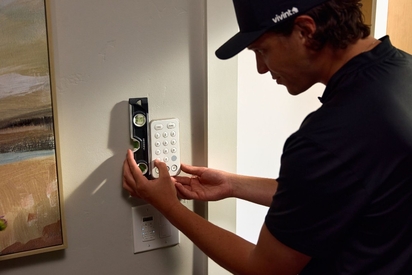
Explore the benefits of expert security system installation for homes and businesses, ensuring safety, efficiency, and peace of mind.
How Much Does Alarm Monitoring Cost?
Key takeaways
What is alarm monitoring? Alarm monitoring is a paid service where a professional monitoring center responds to alarms from your home security system 24/7 and dispatches emergency services when needed.
Quick answer: Expect to pay $30–$60/month for professional monitoring. When evaluating value, factor in everything that’s included—backup connectivity, video verification, smart home compatibility, and the quality of the monitoring center behind it.
Cost at a glance: Three main cost categories:
- Equipment: $200–$1,500+
- Installation: $99–$199 (often waived with contract)
- Monthly monitoring: $30–$60/month

Studies of convicted burglars show that 83% check for an alarm system before attempting a break-in, and 60% say they'd choose a different target if one is present. Homes without a security system are 300% more likely to be burglarized. So the real question isn't whether monitoring is worth it. It's how to find the right plan at the right price.
Whether you're shopping for your first security system or rethinking an existing setup, understanding alarm monitoring costs upfront puts you in control. This guide breaks down every cost—equipment, installation, monthly fees, and the extras—so you can budget with confidence and choose a plan that actually fits your life.
What costs come with alarm monitoring?
Most alarm monitoring costs fall into three main buckets:
- Upfront equipment and installation fees: You purchase the security devices and pay to get then installed by trained professionals
- Ongoing monthly monitoring charges: 24/7 alarm monitoring coverage typically requires a monthly charge
- Ancillary fees: Occasionally there are fees for additional support like permits, false alarm fines, activation costs, and optional add-ons
The alarm systems market is projected to reach $4.98 billion by 2030, driven by smart home adoption, real-time monitoring demand, and rapid integration of AI-powered technology. According to the FBI’s Uniform Crime Report, property crime remains a significant concern for homeowners, reinforcint why professionally monitored security is becoming the standard homeowners trust to protect their home and loved ones.
Initial equipment and installation fees
Before your first monthly bill arrives, you'll either pay upfront for or finance the devices in your system (smart home panels, sensors, cameras, etc.) and pay for the professional installation needed to get everything set up.
Equipment and installation costs for a professionally monitored security system average between $200 and $1,500.
Key factors that influence equipment and installation costs include:
- Wired vs. wireless system. Wireless home security systems may cost $200–$2,000, while wired installations typically cost $800–$1,600 due to more involved labor.
- Number of devices. A starter kit with a hub, two door sensors, and a motion detector costs less than a whole-home setup with indoor cameras, outdoor cameras, smart locks, and environmental sensors.
- Professional installation. Expect to pay $99–$199 for professional installation, though many providers waive this fee during promotions or when you commit to a monitoring contract.
Home security equipment costs
The following numbers represent the average of what you can expect to pay for a given home security device:
- Door/window sensor: $15–$30 each
- Motion detector: $25–$50 each
- Glass break sensor: $30–$50 each
- Video doorbell: $100–$250
- Indoor camera: $100–$200
- Outdoor camera: $150–$300
- Smart lock: $150–$300
- Keypad: $50–$100
- Smart thermostat: $150–$250
- Carbon monoxide detector: $30–$50
Upfront costs are considerably higher on average for business security systems. Expect to pay $1,500–$3,000.
| Feature | Residential Security | Business Security |
|---|---|---|
| Equipment Cost | $200–$2,000 | $1,500–$3,000 |
| Installation Cost | $99–$199 | $99–$199 |
| Typical Equipment | Cameras, locks, sensors, control panel, safety alarms, smart home devices | Cameras, locks, sensors, control panel |
Monthly monitoring charges
Once your security equipment is installed, you'll pay a monthly fee for 24/7 professional monitoring. This is where the real value of professional security lives.
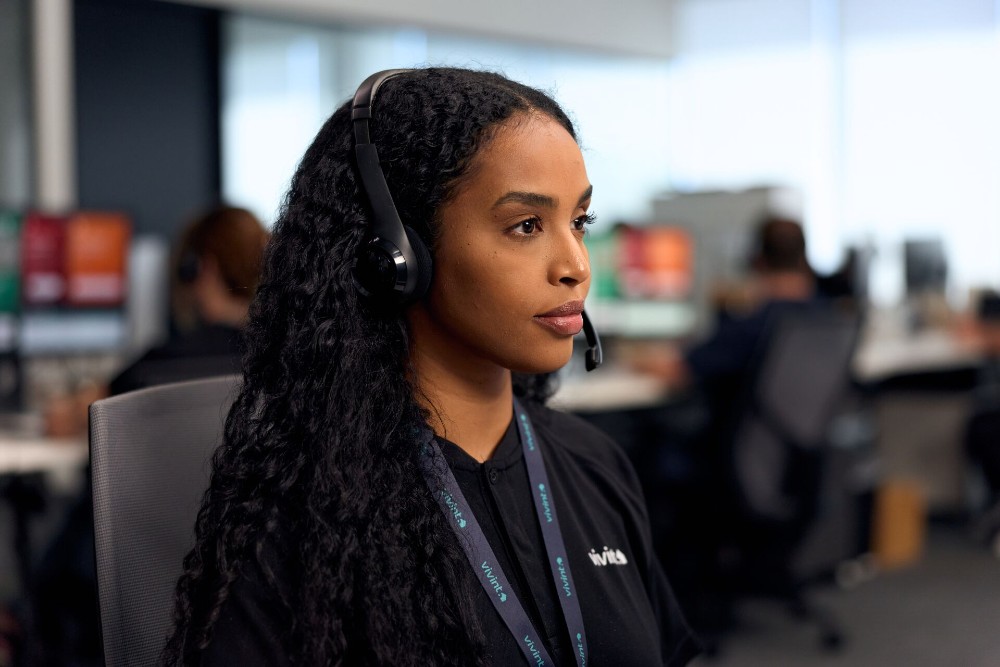
Professional monitoring means live agents are ready to respond to alarms and alert emergency services 24/7. With self-monitoring, you are responsible for checking on and verifying all alerts, even the notifications you might miss at 2 a.m.
With professional monitoring, trained professionals assess the situation and contact emergency services on your behalf. You don’t have to be awake. You don’t have to be home. You don’t have to do anything.
Here's what you can expect to pay:
- Home alarm monitoring averages $30–$60/month, though it can cost as much as $100/month for more advanced systems.
- Most homeowners report paying around $40/month for professional monitoring. Basic plans typically start at $25–$35/month
- Landline-based monitoring is the least expensive option at $10–$30/month, but it's also the most vulnerable. A cut phone line disables it entirely
- Cellular or cloud-based monitoring is the industry standard, offering greater reliability at $30–$60/month
Monthly business monitoring costs are usually more expensive at $40–$100/month due to greater coverage needs.

Additional fees and expenses
Monthly monitoring, equipment, and installation don't tell the whole story. A handful of other costs can affect what you pay for alarm monitoring over time:
One-time or occasional alarm monitoring charges to budget for:
- Activation fees: $0–$230 depending on provider and plan
- Municipal alarm permits: $25–$100+ per year; many cities require a permit before police or fire will respond to your alarm
- False alarm penalties: Repeated accidental triggers can result in fines from local authorities
- Warranties: Typically adds $5–$10/month, providing coverage if equipment fails
- Optional add-ons: Cloud video storage and additional equipment may cost extra
Hidden alarm monitoring costs to watch for:
- Permit fees: $25–$100 if required by city
- False alarm fees: $50–$200+ after initial warnings
- Activation fees: $0–$230 depending on provider and plan
- Early termination fees: Varies by provider and remaining contract balance
- Equipment upgrade fees: Varies by provider
To avoid surprise costs, remember to look at the holistic system, not just monthly monitoring fees.
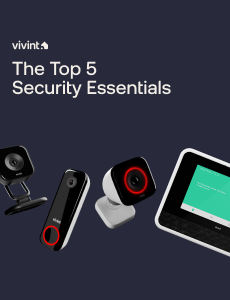
Download our guide to home security.
Home is everything, so protect it. In this free guide you’ll find the information you need to create a safer, more secure home with the added convenience and comfort that come with smart automation.
DIY vs professional monitoring
Choosing between DIY self-monitoring and professional monitoring affects both your costs and your level of protection.
DIY/Self-Monitoring:
- Monthly cost: $0–$25/month
- Equipment: You purchase and install yourself ($100–$500 typical)
- Response: You receive notifications and must contact emergency services yourself
- Best for: Budget-conscious homeowners comfortable managing their own alerts
- Tradeoffs: No 24/7 professional response; you may miss alerts while sleeping or busy
Professional Monitoring:
- Monthly cost: $25–$60/month
- Equipment: Often professionally installed ($200–$1,500)
- Response: Trained agents verify alarms and dispatch emergency services on your behalf
- Best for: Homeowners wanting hands-off protection and faster emergency response times
- Tradeoffs: Higher monthly cost; may require contract commitment
What are the pros and cons of professional monitoring?
| Pros | Cons |
|---|---|
| 24/7 protection for your home | Monthly fees |
| Expert support during emergenciess | Potential contract required with cancellation fees |
| More dependability and convenience | Privacy concerns |
Pros
Many people wonder if the benefits of a professionally-monitored security system are worth the monitoring costs. Take a look at some of greatest benefits:
- 24/7 monitoring. With alarm monitoring, your home is monitored around the clock. Whether an alarm in your home goes off at 3 in the morning or 3 in the afternoon, the alarm monitoring company will be there to respond.
- Expert support during emergencies. Perhaps the most obvious benefit is the peace of mind that comes from knowing your home is being protected against a number of threats. In an emergency, your first priority is getting your family to safety. Knowing that your alarm monitoring company has the rest under control lets you focus on what matters most.
- More dependability and convenience. When you’re at work, on vacation, or just running errands, your home will be monitored even if you’re not there.
Additional benefits can include:
- Crime deterrent. Most security companies provide signs for homeowners to put in their yards, indicating that the home is protected by a security company. The presence of a system can be an effective deterrent; in one survey of burglars, most agreed they would leave immediately if a burglar alarm went off.
- Whole-house protection. Many people automatically think of burglar protection when they think of home security, but there are additional threats that monitoring services protect against, such as smoke and carbon monoxide.
Cons
- Monthly fees. With a professionally monitored home security system, you pay the security company to respond to alarms and potential emergencies. This comes at a cost, often in the form of a monthly fee.
- Potential contracts. Professionally monitored systems often require contracts. If you want to terminate your contract early, it will likely require a cancellation fee.
- Privacy concerns. When a security company has access to your security equipment for monitoring purposes, it may feel like your home is less private.
Related article
What Is a Smart Home
What factors influence alarm monitoring costs?
Alarm monitoring costs vary widely due to customization, company reliability, and how advanced the technology powering the system is. Understanding how your quote is structured helps you spot where you might be overpaying.
- Monitoring technology. Landline is cheapest but most vulnerable. Cellular is more reliable and the current standard, but slightly more expensive.
- Scope of equipment. A hub and two sensors is going to cost less than a multi-camera, multi-sensor, smart home-integrated system.
- Property size and access points. More doors, windows, and entry points mean more sensors and cameras—and a higher equipment cost.
- Level of automation. Features like smart home integration and AI detection increase price.
- Residential vs. commercial. Business systems are often more complex and expensive to monitor.
- Contract length and terms. Longer contracts often come with lower monthly rates.

Comparing monitoring technologies and their costs
The technology your system uses to communicate with the monitoring center affects both reliability and price. Here's how the three main options compare:
Landline monitoring ($10–$30/month)
Alarm signals travel over traditional copper phone lines. It's the oldest method and the most affordable, but it comes with vulnerability: if an intruder cuts the phone line before breaking in, your monitoring connection is severed. Landline monitoring is increasingly rare in new installations.
Cellular monitoring ($30–$60/month)
Signals transmit via cellular networks, similar to how your smartphone connects to its network. There's no phone line to cut, no internet outage to worry about. Cellular is the current industry standard for professional monitoring because it’s more resilient, more reliable, and widely available. Most reputable providers, including Vivint, use cellular as the primary communication pathway.
IP/Cloud-based monitoring ($40–$65/month)
Alarm signals travel over broadband or Wi-Fi and are encrypted before transmission. IP-based systems offer superior integration with smart home devices, remote access via app, and real-time video capabilities. The tradeoff: internet outages can disrupt connectivity.
Technology comparison at a glance
| Feature | Landline | Cellular | IP/Cloud |
|---|---|---|---|
| Monthly cost | $10–$30 | $30–$60 | $40–$65 |
| Reliability | Low | High | Medium |
| Smart Home Integration | Limited | Good | Excellent |
| Vulnerability | Line cuts | Minimal | Internet outages |
More advanced technology makes monthly monitoring more expensive, but it also means you get better protection, automation, and fewer false alarms.
Related article
Energy Savings Calculator
How financing and bundling affect monitoring costs
When buying security equipment, you have two options: Buy it outright, or finance it. Financing spreads your equipment costs out over the life of your contract. This keeps the upfront cost low and adds the difference onto your monthly bill.
Equipment financing can add anywhere from $10–$70+ per month to your bill until the equipment is paid off. On top of that, bundling optional services like video storage, smart home integration, and warranty coverage can add $5–$30/month.
What a realistic monthly bill might look like:
| Line Item | Monthly Cost |
|---|---|
| Professional Monitoring | $40 |
| Financed Equipment | $25 |
| Warranty | $8 |
| Total | $73 |
That $73/month estimate is a predictable, budgetable expense that means a professionally installed and actively monitored home security system is protecting your home. Financing and bundling aren't inherently bad; they just require transparency upfront so you understand exactly what you're paying for.
When comparing providers, ask each one to walk you through a full monthly bill breakdown. Ask about monitoring, equipment financing, add-ons, and any fees before you sign. The best providers, including Vivint, make this information straightforward rather than buried in fine print.
Homeowners insurance discounts
One often-overlooked benefit of professional alarm monitoring: potential savings on your homeowners insurance. Many insurance companies offer discounts of 5–20% off annual premiums for homes with monitored security systems.
To qualify, you'll typically need:
- Professional 24/7 monitoring (not just self-monitoring)
- A certificate from your security provider confirming active monitoring
- Smoke and fire detection in addition to intrusion monitoring (for maximum discounts)
Over time, these savings can offset a significant portion of your monthly monitoring costs. Contact your insurance provider to confirm available discounts before choosing a monitoring plan.
Related article
How Package Detection Works
Making the most of your alarm monitoring investment
Getting the right system at the right price is about more than finding the lowest monthly rate. It's about understanding what you're buying, what you need, and who you're trusting with your family's safety.
Before you commit to a monitoring plan:
- Assess the overall package. Ask questions that help you evaluate value. Does the plan include cellular backup? Video verification? App access? What happens if your internet goes down?
- Know offered what's in the monitoring plan. Some basic plans offer only alarm response. Better plans include video clip verification, smart home control, cloud storage, and dedicated customer support.
- Request a transparent, itemized quote. See the full monthly bill—monitoring, equipment, financing, add-ons—before signing.
- Understand the contract terms. Know the contract length, what's included in the warranty, and what early termination looks like.
- Plan for system upgrades. Technology evolves. Choose a provider who updates and supports your system over time, not just at installation.
- Ask about insurance discounts. A monitored system may qualify you for 5–20% off your homeowners insurance premiums.
24/7 monitoring with Vivint
Vivint provides an affordable home security system without any associated activation fees. Depending on the different packages and services you choose, alarm monitoring with Vivint starts at $24.99 per month. This includes:
- 24/7 alarm monitoring. The 24/7 monitoring company will alert you if any of the alarms in your home (including smoke and fire).
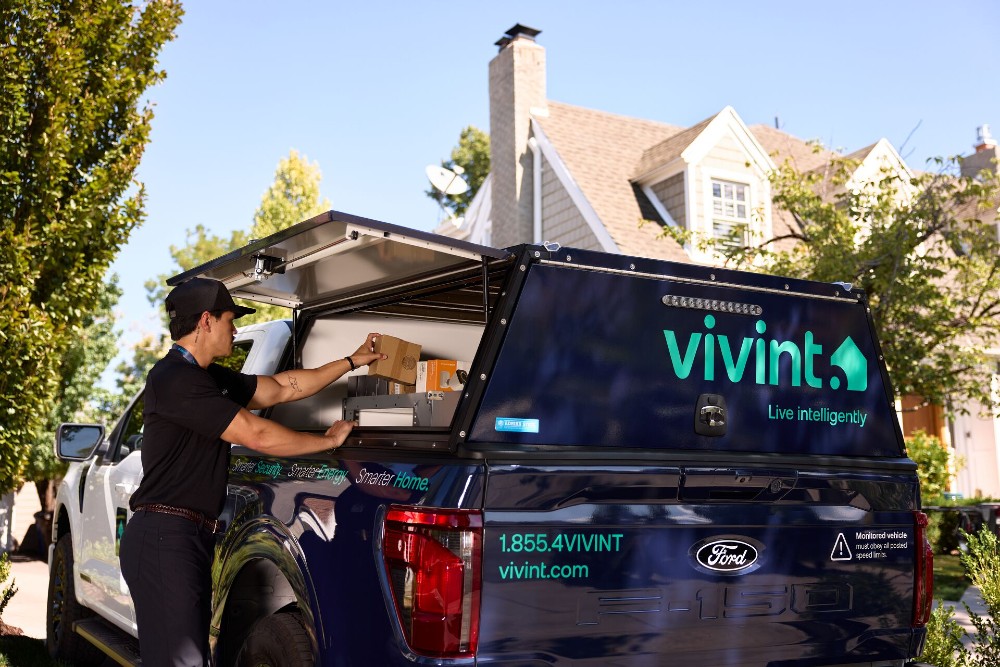
- Professional installation. Some people try to install their security system themselves, which can be both time-intensive and frustrating. Vivint provides professional installation on all equipment and services, so you know your system will work together correctly from day one.
- Remote access to your system. With the Vivint app, you're always connected to your home no matter where you are. You can arm your system, see what triggered an alarm, or check your security cameras from anywhere.
- One-touch panic button. If you have an emergency, you can contact Vivint's professional monitoring services yourself from your Smart Hub's panic button. This is particularly helpful if an event occurs that didn't trigger an alarm, such as a medical emergency, but you still need emergency services.
To start protecting your home with 24/7 Professional Monitoring with Vivint, give us a call at 855.822.1220 today.
Related article
Debunking Home Security Myths
Frequently asked questions about alarm monitoring costs
With alarm monitoring, you get 24/7 protection whether you are home or away. Learn more below.
How much does alarm monitoring cost per month?
Most homeowners pay $30–$60/month for professional alarm monitoring. Costs vary based on the service level and features included, with basic plans starting around $25/month and premium plans reaching $75/month or more.
What is alarm monitoring?
Home security monitoring is a service where trained professionals respond to alarms from your home's security system. They can contact emergency services on your behalf if needed, and they are available 24/7 to help.
In practice, that means every time a door sensor triggers, a motion detector fires, or a smoke alarm activates, a live monitoring center receives the signal and reaches out in a matter of seconds. Agents verify the alert and dispatch police, fire, or medical services on your behalf as needed.
What contract length should I expect?
Most professional alarm monitoring contracts run one to three years. Some providers offer month-to-month flexibility, usually at a higher monthly rate.
Are there early termination penalties?
Yes, many monitoring contracts include early termination fees, which can be as high as the remaining balance on your agreement. Always review the full contract before signing and clarify exactly what happens if you need to cancel early.
How is monitoring billed—monthly or annually?
Monitoring fees are most commonly billed monthly. Some providers offer a discount (typically 5–15%) when you pay annually upfront.
Does the monthly fee cover equipment and installation?
No, the monitoring fee only covers the professional response service. Equipment and installation are separate upfront costs, unless your provider bundles them into a financing plan with your monthly payment.
What factors most affect my monitoring cost?
Your cost depends on property size (more sensors = higher equipment cost), monitoring technology (cellular costs more than landline), the features you select (cameras, automation, video storage), your contract length, and whether you're securing a home or business. Commercial monitoring is consistently higher than residential due to complexity and coverage requirements.
Can I save money with DIY installation?
Yes, DIY installation can save $99–$199 in installation fees. However, you'll be responsible for proper sensor placement and system setup. Professional installation is worth it because it ensures optimal coverage and typically includes system testing. You’ll also be responsible for responding to all alarms and won’t have monitoring help during an emergency.
Get a free quote today.
A Vivint Smart Home Pro will contact you within 24 hours. Or skip the form and call now: 844.481.8630.
Everything works together
Combine products
for a safer home
You may also like:
Vivint Services
Why Professional Security System Installation Matters: Benefits, Process, and What to Expect
Sep. 01, 2026

Vivint Services
Alarm Monitoring Cost: What Impacts the Price of 24/7 Protection?
Alarm monitoring costs vary widely based on equipment, contract length, and service level. See what really drives the price of 24/7 protection.
Aug. 05, 2026

Vivint Services
Is Home Security Monitoring Worth It?
Home security monitoring adds another powerful layer of protection to your home security system. Learn more about self vs professional monitoring and why home security monitoring is worth it for you.
Jun. 10, 2026
Related Content
-
The In-Depth Guide to Home Security System Costs in 2026
Keeping your home safe doesn’t have to break the bank. Read about costs you can expect when signing up for a security system for your home.
-
Vivint Monthly Pricing: How Much Does a Vivint System Cost?
See exactly what you'll pay monthly with Vivint — equipment, monitoring, and financing options compared across packages. No guesswork, no surprises.
-
How Much Do Home Security System Devices Cost?
Learn more about how much individual home security system components cost, as well as what you can expect to spend in the first year of owning a home security system


