
A home inventory gets insurance claims paid faster. See the 4 ways to document your home, ranked by speed, and why your cameras do it best.
Home Security for People Who Live Alone: Smart Tech That Actually Helps You Feel Safer
Key takeaways
- Living alone changes how home security works for you. Fewer eyes on the door, no second pair of ears, and every alert is yours to handle. The right system makes that less of a load.
- Layered setups beat single-point devices: smart locks plus door and window sensors plus outdoor cameras plus a panic alert all work better together than any one of them does alone.
- A monitored security system is a 24/7 third party watching your back, so you don't have to triage every alert at 3 a.m. yourself.
- Smart-home routines take the conscious effort out of staying safe. Geofencing arms the system when you leave; smart lighting can simulate occupancy when you travel; voice control locks the door without you having to walk back.
- If you rent, a portable, panel-based system you can take with you when you move is the path of least resistance.
About 29% of U.S. households are now single-person households, according to the U.S. Census Bureau. That's millions of people coming home to a quiet front door, many for the first time, in a new home, without roommates around.
Home security looks different when you're home alone. There's no roommate to notice the porch light didn't come on, no family member to check whether the door clicked shut, no one else to handle a 2 a.m. alert that turns out to be a tree branch. Every decision lands with you, and there's no one else to check in with on the small things. The right setup makes that load lighter, not heavier.
A layered home security system combines multiple protective measures—locks, sensors, cameras, monitoring, and emergency response—to create overlapping defenses that work together ot keep you safe.
In this guide, you'll find the home safety setup that actually helps when you live alone: smart locks and access codes you control from your phone, panic alerts that work even when you can't reach a phone, monitored security cameras with a real person watching them, and the daily routine of automation that handles the small stuff in the background. This guide focuses on tech-based personal safety; it doesn't cover physical tools like pepper spray or self-defense classes, which are a separate decision.

Best home security system for people living alone: Where to start
The strongest setup for solo living is layered. No single device covers every gap. Five things working together do a lot more than any one of them on its own:

A motion sensor in the main hallway and an indoor camera in the living area. A doorbell camera at the front and an outdoor camera covering the driveway. |
Smart locks on every exterior door, with unique codes for anyone who needs in. |

Door and window sensors on every entry point, plus glass-break sensors in rooms a thief would head to first. |
24/7 professional monitoring routes every alert to a central station. |
A panic button on the panel routes a silent or audible alert to the 24/7 monitoring center, where an agent can verify the alarm and dispatch police, fire, or EMS on your behalf. |
You don't have to install all five at once. Most solo dwellers start with locks, sensors, and a doorbell camera, then add cameras and monitoring as the budget allows. The order below walks through each layer in detail.
Quick safety checklist for living alone
- Install smart locks on all exterior doors and change codes when relationships or services end
- Add door and window sensors to every entry point
- Install a doorbell camera to screen visitors and watch packages
- Opt for a system with 24/7 professional monitoring so you are always covered in an emergency
- Automate outdoor lights to turn on at dusk and simulate occupancy when you’re away
- Save emergency contacts and local non-emergency numbers in your phone
Related article
The New Homeowner's Security Checklist
Smart locks: Revocable codes for everyone who needs access (and no one else)
The first place to upgrade is the front door. Vivint installs Kwikset smart locks that hold up to 50 unique access codes, each one revocable from the app. The dog walker, the housekeeper, the friend who's coming by to water the plants while you're out of town. Each gets their own code.
When the relationship ends, the code ends with it. No more spare key under the doormat, no more squinting through the peephole hoping the locksmith looks legitimate, no more guessing whether the old door locks still work the way you remember.
Two specific features pay off the most for solo living:

If you leave and forget to lock up, the deadbolt locks itself after a set number of minutes. No more standing on the sidewalk wondering whether you remembered. |

When the door is paired with a Vivint security system, unlocking the door can also disarm the alarm. Walk in, drop the bag, and no panel-fumbling in the dark. |
For the tradeoffs between rekeying versus a smart lock upgrade, see Vivint's primer on keyless entry.
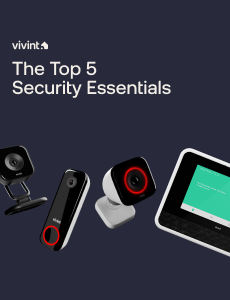
Download our guide to home security.
Home is everything, so protect it. In this free guide you’ll find the information you need to create a safer, more secure home with the added convenience and comfort that come with smart automation.
Panic button features: Getting help when you can't get to your phone
The panic feature on a Vivint security panel is a two-tap callout that triggers a silent or audible alarm and routes the call to the 24/7 monitoring center. The agent can dispatch police, fire, or EMS on your behalf and stay on the line through the panel's two-way voice. You don't need to find your phone, dial 911, or explain anything coherently. The button does the explaining, and that matters when burglars are at the door or when the situation just feels wrong and you can't articulate why.
For an extra layer, Vivint offers a wearable emergency pendant through its senior alert system. The pendant is included free for new customers aged 75 and older* as part of the senior package; ask Vivint whether it's available as an add-on for younger solo dwellers if you want a button you can wear in the shower or take to the basement.
Whether or not you have a panic button, save your local emergency numbers in your phone the day you move in. Each phone number for non-emergency police, fire, poison control, and your nearest urgent care, plus an emergency contact for a family member or loved one who lives nearby. In case of emergency, paramedics and police often check the phone for "ICE" (in-case-of-emergency) contact information first.
Related article
Best Home Security Systems for Seniors and Aging in Place
Pro monitoring peace of mind: Someone has eyes on your home when you can't
Professional monitoring is a service where trained specialists at a 24/7 monitoring station respond to security alerts, verify alarms, and dispatch emergency services on your behalf.
The single biggest mental load of living alone is being on call for your own house. Every chirp, every blinking light, every notification is yours to interpret. Professional monitoring transfers that load to a 24/7 central station: a real person watches the alerts, verifies the alarm with you, and dispatches emergency services if the alarm is real.
If the alarm trips at 3 a.m., you're not the one calling 911 from under a blanket. You're the one a calm voice is checking in with. That's the difference between a system that watches your home and a system that handles your home.
Vivint's monitoring service starts at $24.99 a month, at the low end of the industry range of $20–$80 reported by NerdWallet. The same plan covers monitored smoke detectors and water and CO alerts, so a frozen pipe or a smoke alarm gets the same fast verification and dispatch as a break-in. Real-time alerts go to your phone the moment the central station sees suspicious activity. Peace of mind in this context is a measurable response time, not a marketing line.
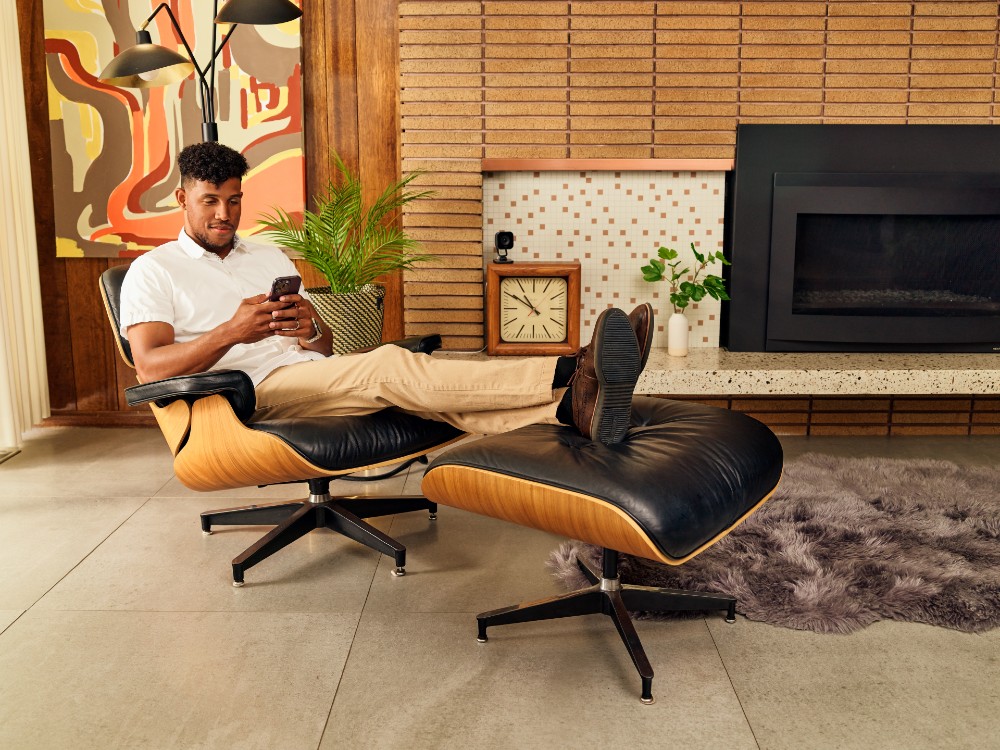
DIY vs professionally monitored systems
| Feature | DIY System | Professionally Monitored System |
|---|---|---|
| Monthly cost | $0–$10 | $20–$50 |
| Emergency dispatch | You call 911 | Monitoring station calls for you |
| Response time | Depends on your availability | 24/7 coverage, even while you sleep |
| Alert verification | Self-managed | Trained agents verify alarms |
| Best for | Budget-conscious, tech-savvy users | Solo dwellers who want backup |
Safety routines with voice assistants and your phone
The best home security routines run themselves. The point isn't to add more steps to your day; it's to remove the steps you might forget. Here are five built-in routines worth turning on:
- Geofencing auto-arm. Vivint's app uses your phone's location to arm the alarm systems when you leave the house and disarm when you return. No more arriving at work and wondering whether you set it. The same automation can close the garage door behind you on the way out.
- Outdoor lights on schedules. Set the porch and living-room lights to turn on at dusk and off at bedtime. Lit-up exteriors are one of the cheapest break-in deterrents that exist. When you travel, the schedule simulates someone's home, with no manual timers or obvious "vacation mode." On a related note, avoid posting your travel plans on social media until you're back.
- Voice-controlled lock-down. The system pairs with Google Assistant. "Lock the front door" beats walking back across the house at bedtime, and it's especially useful when you're already in bed and remembering you didn't.
- Real-time camera check-ins. The Vivint app shows live feeds from every camera and can ping you when smart home devices detect motion. Two-way talk through the video doorbell lets you tell the delivery driver where to leave the box without opening the door.
- Smoke and CO routines. A monitored combination smoke and CO detector can also trigger the smart thermostat to shut off the HVAC system if smoke is detected, slowing the spread of a fire while help is on the way.
Related article
How Much do Home Security Systems Cost?
If you rent: Solo-living security in an apartment
Renters get the same layered setup, with a few adjustments for the lease. Most modern panel-based systems are portable enough to come with you when you move; the sensors don't require permanent wiring, and the doorbell camera attaches without modifying the door frame.
A few practical points for renters living alone:
- Read your lease. Most allow renter-installed security systems; some require landlord notice. A monitored, portable system is almost always easier to get approved than a hardwired one. Pure DIY setups (sensors and a hub you assemble yourself) work for some renters but trade off pro install and the alarm-verification step that monitored systems include.
- Use renters insurance discounts. Many insurers discount renters insurance for installing a monitored alarm system, just like with homeowners insurance.
- Pick a system you can take with you. A panel, sensors, and a smart doorbell that all unmount cleanly mean your next apartment is already secured.
For the longer story on apartment-friendly setups, see our renter's guide to home security and 4 safety benefits of installing an apartment alarm system.
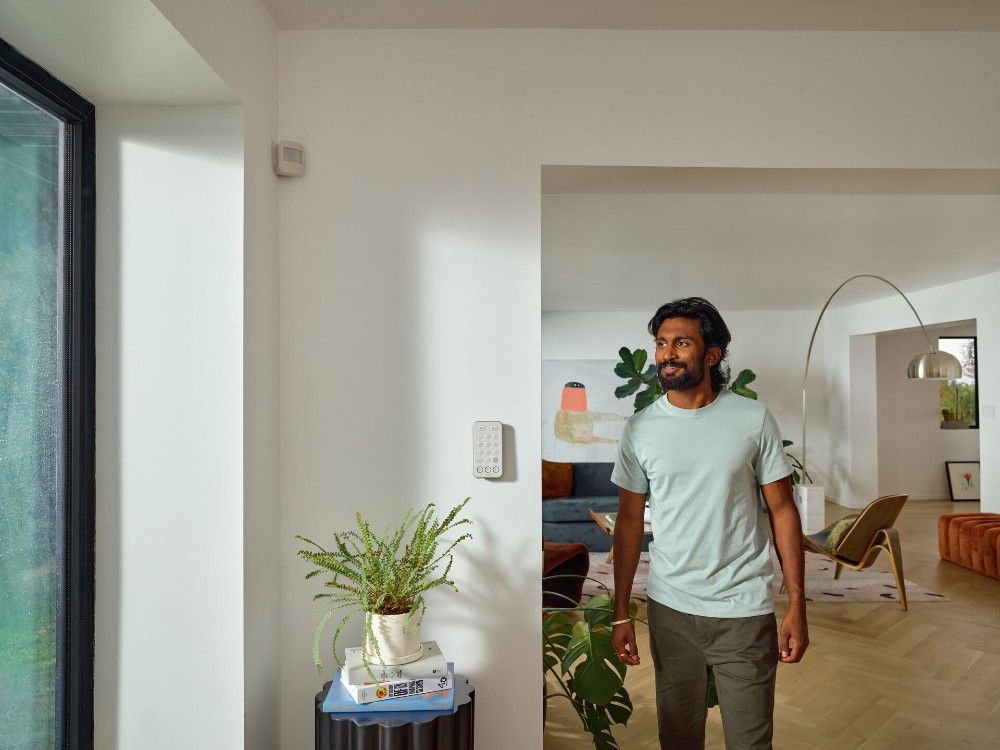
Start with one layer today
You don't have to do all five layers in a single weekend. Pick the one that solves the thing that's been on your mind. If it's the front door, start there. If it's the alerts when you're traveling, start with monitoring and a doorbell camera. The first layer is the hardest, and once one is in, the rest stop feeling like a project and start feeling like progress.
If you'd rather not spec the system yourself, Vivint's advisors will walk through your home (over the phone or on a video call) and recommend a starting setup. Get a personalized safety plan tuned to how you actually live, and they'll handle the install when you're ready.
The bottom line
The most effective safety strategies for living alone come down to layered protection: Smart locks you control remotely, sensors on every entry point, and 24/7 professional monitoring that calls for help when you can't. Start with one layer, build from there, and let automation handle the daily details so you can focus on living your life.
Ready to install home security in your space? Give us a call at 855.822.1220 today.
Related article
The Home Alone Index: Where Americans Live Alone and How Solo Dwellers Stay Secure
Frequently asked questions about safety tips for living alone
A handful of questions come up over and over with people moving into a place of their own. Here's what to know first.
What is the safest home security system for a woman living alone?
The safest system for any solo dweller (not just women) is a layered, professionally monitored setup with smart locks, door and window sensors, an outdoor doorbell camera, an indoor camera, and a panic alert routed to a 24/7 central station. The key word is monitored: a system that calls for help on your behalf is meaningfully different from one that just sounds an alarm. Vivint's pro install and 24/7 monitoring cover all of those layers in one configuration.
What's the first thing to do in a new place when you live alone?
Change or rekey every exterior lock the day you take possession. You don't know how many keys are out there or who's holding them. A locksmith can rekey the existing hardware in about an hour, or you can swap to a smart lock for revocable codes you control from your phone. Reset the garage and gate codes the same day.
Do I need 24/7 professional monitoring if I live alone?
You don't need it, but it's the single feature most solo dwellers say makes the biggest difference. Without monitoring, every alert is yours to triage, including the false ones at 3 a.m. With monitoring, a central station verifies the alarm and dispatches emergency services on your behalf. That's a meaningful change to the mental load of living alone.
*Qualifying system purchase requires minimum $599.99 equipment purchase, minimum $39.99/month services agreement and professional installation. Reactivations of previously-installed systems not eligible for offer. Offer is for customers 75 years of age or older and may not be available in all states or provinces. Equipment purchase may be financed separately subject to an agreement with one of Vivint’s third-party financing partners. Well-qualified customers may finance equipment purchase at 0% APR for up to 60 months. Month-to-month service agreement available when equipment is purchased up front. Without a Vivint services plan, product and system functionality is limited (including loss of remote connectivity for the alert pendant). Monthly $1.48 cellular network maintenance fee applies. Taxes and local permit fees may apply. Speak to a Vivint representative for complete equipment, services, and package details, including pricing and financing details. Products and services in Louisiana provided by Vivint Louisiana Commercial Certificate #58280. See Vivint license numbers here.
Get a free quote today.
A Vivint Smart Home Pro will contact you within 24 hours. Or skip the form and call now: 844.481.8630.
Everything works together
Combine products
for a safer home
You may also like
Smart Guides
How to Make a Home Inventory for Insurance
Oct. 05, 2026
Home Security
Best Smart Home Devices for Elderly Parents: A Caregiver's Remote Setup
Set up an aging parent's home from yours: the smart locks, cameras, sensors, and alert pendant that let you help without hovering.
Oct. 02, 2026
Home & Family
Top Ways to Protect Your Smart Home From Cyberattacks
These tips will show you how to protect your home from cyberattacks during Cybersecurity Awareness Month.
Related content
-
Best Smart Home Security Systems
Protect Your Home with Vivint's Home Security Systems & Burglar Alarm - Call 855.677.2644 for More Information about our Award Winning 24 7 Home Security Services.
-
Are Smart Locks Safe?
Are you in the market for a smart lock, but concerned about safety? Let Vivint help you find the safest lock.
-
Unveiling the Truth: How Effective Are Home Security Systems in...
Discover the truth about home security systems: Do they truly deter crime? Unveiling insights from experts and criminals.


