
Professional monitoring means peace of mind whether you’re home or away. Read our reviews and see why our customers trust Vivint to keep their homes safe around the clock.
Smart Smoke & Carbon Monoxide Detectors: Ultimate Home Safety Guide
Quick definition: A smart smoke detector is an internet-connected device that detects smoke and carbon monoxide while sending real-time alerts to your smartphone and integrating with your home automation system.
Smart smoke detectors take home safety to the next level. These devices respond faster than traditional alarms and fit right into homes already packed with smart devices. A smart smoke detector can catch both smoke and carbon monoxide, send instant notifications to your phone, and even activate safety features like shutting down your HVAC system to help stop smoke or gas from spreading.
Quick Facts: Vivint Smart Smoke & CO Detector
Sensor type: Photoelectric (smoke) + Electrochemical (CO)
Battery life: 5-year backup battery
Connectivity: Wi-Fi and wireless transmitter (Z-Wave compatible)
Smart home integration: Works with Vivint ecosystem, Google Home
These smart features go well beyond the basics. Instead of just sounding an alarm, a smart smoke alarm delivers real-time alerts and works with your existing home security setup. Voice alerts and battery backup add an extra layer of protection, especially during emergencies. They also sync with your smart home system, either a Vivint setup or another platform, making home monitoring simpler and smarter.
Vivint smart detectors offer strong compatibility with major smart home platforms, professional monitoring, and built-in safety upgrades that help keep your household protected. In this guide, you'll find everything you need to know: how smart smoke and carbon monoxide detectors work, their top features, tips for installation and maintenance, and why they're a solid choice for any homeowner.
Smart smoke alarms do more than warn you. They work behind the scenes to protect your entire home. Here's what you need to know to choose the right one.
What is a smart smoke detector?
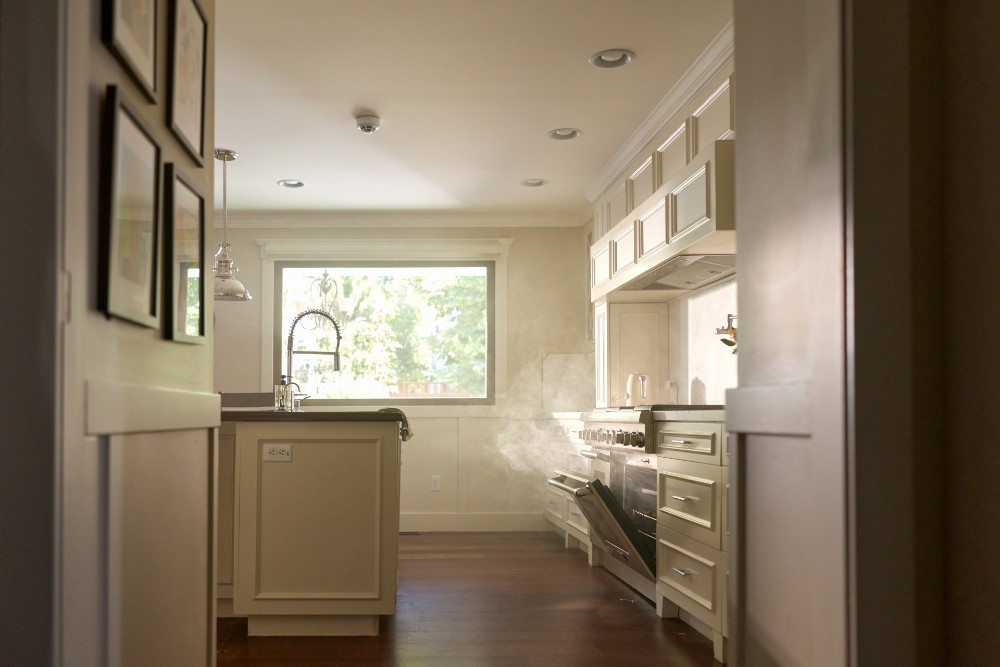
A smart smoke detector is an advanced version of a standard smoke alarm, designed to detect fire and carbon monoxide (CO) threats while also providing real-time notifications to keep you informed. Unlike traditional alarms that only sound a local alert, a smart smoke alarm can connect to Wi-Fi, integrate with your smart home system, and send alerts directly to your smartphone, even when you're not home.
Many smart detectors also serve as combo units, meaning they detect both smoke and carbon monoxide. This matters because CO is a colorless, odorless gas that can be deadly without warning. A carbon monoxide detector built into your smoke alarm offers two critical layers of protection in one device, helping to identify different types of threats with faster response times.
Smart features that improve safety and response times include:
-
Wi-Fi connectivity. Keeps your detector linked to your smart home system and mobile app for remote access and alerts.
-
Smartphone alerts. Sends real-time notifications when smoke or CO is detected, even if you're away.
-
Voice alerts. Announces the specific danger detected, like smoke or carbon monoxide, so you can respond appropriately.
-
Interconnectivity. Syncs with other alarms and devices in your home to trigger systemwide responses.
These smart features help homeowners act faster, giving them more control over home security and more time to respond during emergencies.
Related article
What Is the Red Light on a Smoke Detector?
Key benefits of smart smoke & CO detectors
Smart smoke and carbon monoxide detectors provide significant advantages over traditional alarms:
-
Remote notifications. Receive instant alerts on your smartphone whether you're home, at work, or traveling, ensuring you're always informed of potential danger.
-
Faster detection. Photoelectric sensors detect smoldering fires earlier than ionization-only models, giving you more time to respond.
-
Professional monitoring alerts. When connected to a monitoring service, trained agents are notified immediately and can dispatch emergency services on your behalf.
-
Reduced false alarms. Advanced sensors distinguish between real threats and cooking smoke or steam, minimizing unnecessary disruptions.
-
Smart home connection. Detectors automatically trigger connected devices to keep your family safe. They can shut off HVAC systems, unlock smart locks, and illuminate escape routes.
According to the NFPA, three out of five home fire deaths occur in properties without working smoke alarms or with no alarms at all. Homes with working smoke detectors have a 55% lower fire death rate compared to homes without them, making proper detection critical for family safety.
How do smart smoke detectors work?
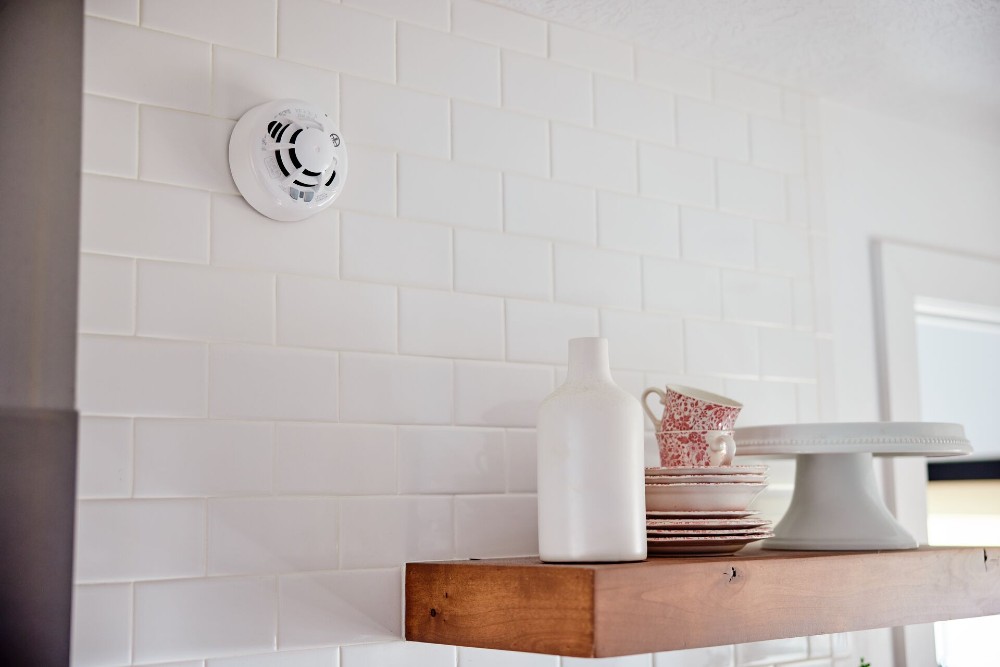
Understanding how smart smoke detectors function starts with the technology inside. These devices use advanced sensors to identify the presence of smoke or carbon monoxide, each relying on different detection methods to recognize specific threats. Here's a breakdown of the most common sensor types:
Common smoke detector sensors
| Sensor Type | What It Detects | How It Works |
|---|---|---|
| Photoelectric | Smoldering fires | Uses a light beam to sense smoke. The smoke scatters the light, triggering the alarm. |
| Ionization | Fast-flaming fires | Uses a safely shielded amount of radioactive material (usually Americium-241) to detect particles in the air. |
| Electrochemical | Carbon monoxide (CO) | Measures chemical reactions caused by CO exposure to trigger alerts. |
Smart smoke detectors often combine photoelectric sensors for smoke detection with electrochemical sensors for CO, offering broader protection in one device. Some also incorporate dual-sensor technology for faster, more accurate detection.
Connectivity is what sets smart detectors apart. When linked through Wi-Fi or wireless protocols like Z-Wave or HomeKit, these alarms sound, but they also send real-time notifications to your smartphone, alerting you no matter where you are. This connectivity also allows detectors to trigger other actions within your smart home ecosystem, such as turning off the HVAC system or unlocking smart locks for emergency responders.
For homeowners wondering how smart smoke detectors work, it comes down to combining traditional smoke detection with smart features that expand coverage and speed up response. Smart smoke detectors provide greater awareness, especially when professionally monitored or integrated into a full home security system.
Related article
Guide to Smoke Detector Placement
How smart smoke detectors work with home automation
Smart smoke detectors are built to work seamlessly with your smart home system, connecting directly to platforms like Google Home, Alexa, and your home's security system. This integration transforms a standard safety device into a powerful, automated response tool.
Here's how smart detectors integrate with home automation, step by step:
-
Detection. The smoke or CO sensor identifies a threat and triggers the alarm.
-
Hub communication. The detector sends a signal to your central monitoring hub or smart home controller.
-
HVAC shutdown. Your system automatically disables heating and cooling to prevent smoke or dangerous gases from circulating through ductwork.
-
Smart lock activation. Connected door locks can automatically unlock to provide emergency responders with immediate access.
-
Lighting response. Smart lights turn on throughout the home, illuminating escape routes for safe evacuation.
-
Alert dispatch. Notifications are sent simultaneously to your smartphone and professional monitoring center.
Additional home automation capabilities include:
-
Whole-home alerts. Connected devices like smart lights, thermostats, and locks respond in real time, helping you act quickly and exit safely.
-
Automated routines. Your system can be configured to perform specific actions, such as unlocking doors or turning on hallway lights, when an alarm is triggered.
-
Voice assistant compatibility. Smart smoke detectors integrate with Google Home and Alexa, offering added convenience and control.
Vivint detectors work with the whole connected security system. They allow for streamlined automation, remote access, and 24/7 monitoring. With this level of home automation, your smoke detector becomes a fully integrated safety solution, not just an alert system.
Alert and notification flow
When a smart smoke or carbon monoxide detector senses danger, it triggers an alarm and activates a chain of real-time notifications that keep you informed and protected. The detector immediately sends an alert to your smartphone, ensuring you know about a potential threat whether you're home or away.
If your system includes professional monitoring, a trained agent is also alerted. They can quickly verify the situation and contact emergency services on your behalf, even if you're unreachable. This added layer of protection helps minimize damage and improve emergency response times.
Smart detectors also send systemwide alerts that activate other connected devices in your home. For example:
-
Smart lights. These can turn on automatically to help guide safe exits.
-
Smart locks. These may unlock to allow firefighters inside without delay.
-
HVAC systems. These can shut down to slow the spread of smoke or carbon monoxide.
This coordinated monitoring and alert system ensures that every piece of your smart home works together to keep you safe. With instant communication to your smartphone and seamless device integration, smart smoke detectors provide a proactive approach to home protection.
Smart vs. traditional smoke detectors
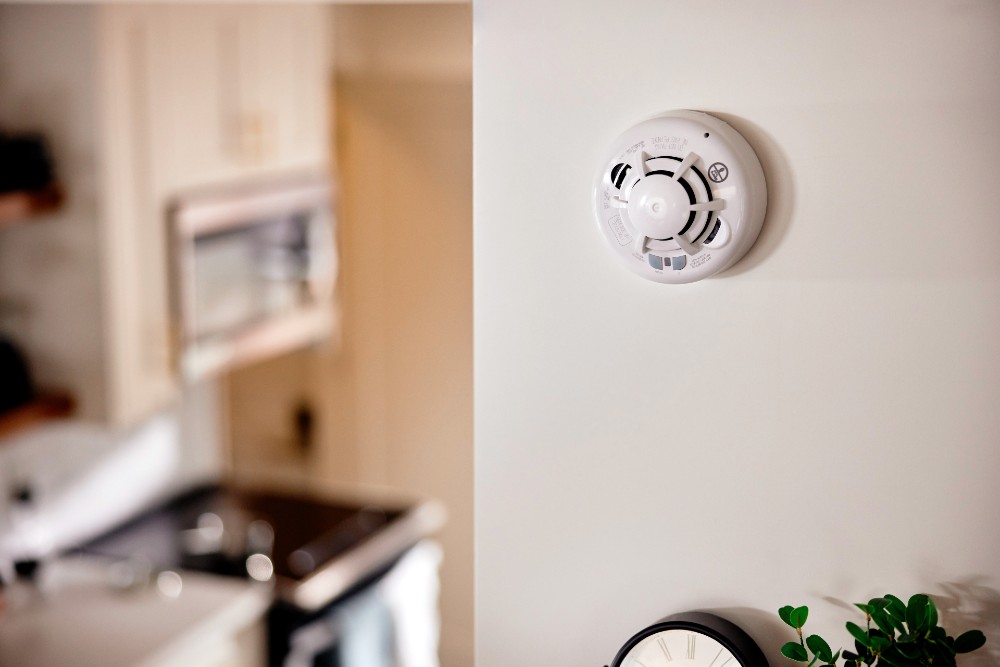
Many homeowners weigh the pros and cons of smart versus traditional smoke detectors when upgrading their fire safety setup. While both types serve the same basic purpose (detecting smoke and saving lives), smart detectors offer enhanced features that can make a significant difference in emergency response and long-term home safety.
Here's a quick comparison to help you evaluate performance, reliability, connectivity, and value over time:
Comparing traditional and smart smoke detectors
| Feature | Traditional Detectors | Smart Detectors |
|---|---|---|
| Detection speed | Standard response time | Faster alerts with photoelectric sensors |
| Notification method | Local alarm sound only | Mobile alerts Local alarm Professional monitoring |
| Maintenance | Manual testing and battery changes required | App-baed status updates |
| False alarm handling | Limited; manual silencing required | Smart sensors reduce false alarms App-based silencing |
| Connectivity | Some modesl only connect if hardwired | Wi-Fi or Z-Wave enabled for remote alerts, control, and automation |
| Long-term value | Lower upfront cost but limited features | Higher upfront cost More features Broader security system integration |
| Warranty | Typically shorter Limited coverage |
Often includes extended warranty and product support |
Along with choosing between wired and wireless smoke alarms, think about the power source. Battery-powered models install easily. Hard-wired detectors, which are often required by building codes, offer continuous power and system interconnectivity for added reliability.
For new builds or major renovations, hardwired alarms are usually the better long-term investment. In smaller homes or rentals, battery-powered options offer more flexibility without sacrificing essential protection.
When hardwired detectors make sense
Hardwired detectors are especially well-suited for:
-
New home construction. Installation of hardwired systems can occur during the building process with minimal disruption.
-
Major remodels or additions. Renovation projects offer a convenient opportunity to upgrade to a code-compliant, interconnected alarm system.
-
Multi-level or large homes. Interconnectivity enhances coverage and improves emergency awareness throughout the property.
In many cases, hardwired smoke detectors are a requirement, not just preferred. Most local and state building codes mandate hard-wired alarms in new construction and major renovations. These detectors are connected directly to the home's power source and typically include a battery backup for added safety during outages.
One of the most significant advantages of hardwired systems is their interconnect capability. When one detector senses smoke or fire, all the connected units alarm simultaneously. This ensures that everyone in the home is alerted, even if the danger originates from a remote area like a basement or garage.
While battery-powered models offer flexibility, hardwired detectors provide long-term stability, reliable alarm sounds, and seamless integration into a professionally installed system.
When battery-powered detectors are appropriate
Battery-powered smoke and CO detectors are ideal for homes where hardwiring isn't practical. They're particularly useful in:
-
Rental properties. These detectors don't require electrical work, making them renter-friendly and easy to install.
-
Older homes. In houses without pre-wired systems, battery-powered alarms offer a fast and reliable safety solution.
-
Temporary setups or additions. For garages, guesthouses, or new extensions, they provide quick coverage without construction.
While convenient, battery-powered models do require regular maintenance. Each unit should be tested monthly to confirm it's working correctly. You should also replace batteries annually, or sooner if a low battery alert sounds. Some models offer app-based reminders or built-in alerts.
Battery-powered detectors offer flexible protection, but their effectiveness depends on consistent upkeep and correct placement. When installed and maintained correctly, they deliver dependable safety without the need for rewiring.
Related article
How to Choose the Best Smoke Detector for Your Home
Best practices for placement & installation
Where you install smoke and CO detectors directly affects how quickly you're alerted during an emergency. Proper placement helps ensure early detection, giving you more time to respond, especially in the case of smoldering fires, which can produce harmful smoke before flames appear.
For maximum home safety, follow these NFPA-recommended placement guidelines:
-
Every level of the home. Install at least one detector on each floor, including the basement.
-
Inside each bedroom. Sleeping areas need direct coverage to alert occupants during the night.
-
Outside sleeping areas. Place detectors in hallways near bedrooms to ensure alarms can be heard throughout the home.
-
Ceiling placement. Mount detectors on the ceiling or high on walls, within 12 inches of the ceiling. For pitched ceilings, install within 3 feet of the peak.
-
Near HVAC systems and water heaters. These areas are high risk for electrical issues that can lead to fires.
Incorrect placement can delay alarms and reduce their effectiveness. Avoid installing detectors in these places:
-
In corners or near ceiling beams. These areas can trap smoke, preventing it from reaching the sensor quickly.
-
Near vents, fans, or windows. Airflow in these spots can disperse smoke before it triggers the alarm.
-
Within 10 feet of cooking appliances. This helps reduce false alarms from normal cooking activities.
-
Behind furniture or curtains. Obstructions can block smoke and delay detection.
Correct placement is one of the most critical steps in achieving full fire safety. Vivint also offers professional installation, helping homeowners get optimal detector coverage without second-guessing placement.
Maintenance and troubleshooting tips
Keeping your smoke and CO detectors in working condition is just as important as proper placement. Routine maintenance ensures that devices respond when it matters most—and prevents disruptive issues like constant chirping or missed alerts.
Here's how to stay on top of detector care:
-
Address chirping promptly. Persistent beeping is usually a sign of a low battery. Replace the battery immediately, even if the alarm sounds haven't been triggered.
-
Test detectors monthly. Press the test button on each device to make sure it's functioning properly. This also helps confirm that connected alarms and systems are communicating as expected.
-
Replace batteries annually. Even detectors with battery backup should get fresh batteries once a year, or sooner if chirping starts.
-
Replace the entire unit every 10 years. As noted in Vivint's smoke alarm guide, detectors wear out over time. Check the manufacturer's date to know when it's time for a new one.
Regular upkeep avoids nuisance alerts and guarantees that your detectors will activate with loud, clear alarm sounds when needed. It's a small investment of time that pays off in peace of mind.
Choosing the right smart smoke detector
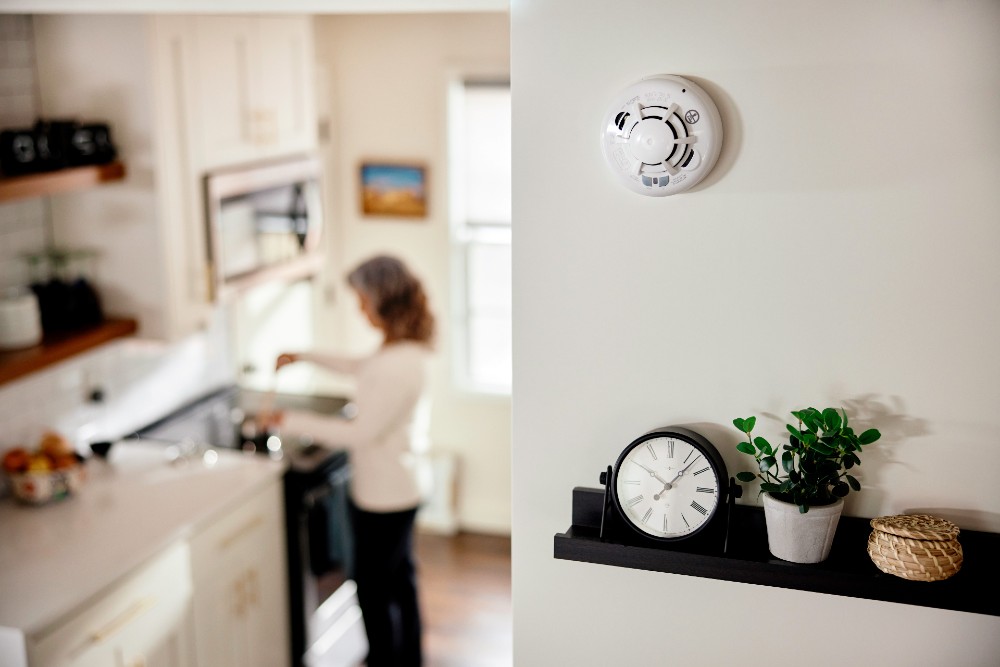
A smart smoke detector enhances home safety by delivering real-time alerts, reducing emergency response times, and integrating with your smart home system. Unlike traditional alarms, smart detectors can trigger automated actions like HVAC shut-off and smart lighting. They also send mobile notifications, helping you stay informed whether you're home or away.
When connected to a security system, these detectors offer added protection through professional monitoring and system-wide responses. Vivint's smart smoke and CO detectors combine smoke and carbon monoxide detection, battery backup, voice alerts, and seamless integration.
They're built to work within the broader Vivint ecosystem, making them an ideal choice for homeowners who value simplicity and reliability. Explore Vivint's smart smoke and CO detector to find the right fit for your connected home. Give us a call today at 855.822.1220 to learn more.
Related article
A Complete Guide to Smoke & CO Sensors
Frequently asked questions
When choosing the best smoke and CO detector, it's normal to have a few questions, especially with so many models, features, and tech options available. These quick answers address common concerns about safety, alerts, and smart functionality.
Is it worth getting a smart smoke detector?
Yes, smart detectors provide significant advantages over traditional fire alarms. They deliver real-time notifications to your phone, detect smoke faster, and trigger automated responses like shutting off your HVAC system that help keep you safe. Additional long-term value comes from reduced false alarms, better air quality awareness, and integration with your full smart home setup.
What advanced safety features should I look for in a smart smoke detector?
Prioritize features that improve both reliability and response time. Key features include ability to interconnect with your broader system, voice alerts, smart CO detector functionality, air quality alerts, and proactive low battery notifications. Also look for dependable power options (battery-powered or plug-in) and support for modern platforms like mobile apps or home assistants.
Do I need monitoring and systemwide response?
Professional monitoring and security system integration are essential for complete home safety. Smart detectors with these features ensure help is dispatched even if you miss a phone alert. They also enable systemwide alerts, activating lights, unlocking doors, or shutting off HVAC systems to minimize danger and facilitate safe evacuation.
Get a free quote today.
A Vivint Smart Home Pro will contact you within 24 hours. Or skip the form and call now: 844.481.8630.
Everything works together
Combine products
for a safer home
You may also like:
Vivint Services
Our Customers Review 24/7 Professional Monitoring
Oct. 20, 2026

Smart Home
Vivint App Reviews (2026)
The Vivint Smart Home app is the best home automation app on the market—and we have the reviews to prove it.
Oct. 15, 2026

Moving
A Complete Guide to Moving Your Vivint System
Moving? Learn how to transfer your Vivint security system, activate existing equipment, or install a new system to protect your next home.
Oct. 14, 2026
Related content
-
Safety Alarms, CO Detector, Smoke Detector & Water Leak Detector
Vivint Safety Alarms include CO Detector, Smoke Detector & Water Leak Detectors & provide added Safety to your Vivint system Call 844.394.7885 to Learn More
-
Combination Smoke & Carbon Monoxide Detector
Our Combination Smoke & CO Detector offers reliable detection backed by our 24/7 Monitoring team. Call (844) 481-7712 to learn more today.
-
How to Choose the Best Smart Smoke and CO Detector for Your Home
Learn what to look for when you’re choosing the best smart smoke and CO detectors for your home.


