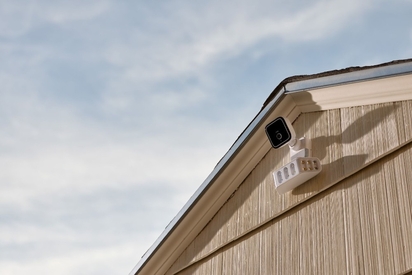
Discover key features to consider when selecting the ideal outdoor security camera, ensuring safety and effectiveness for your needs.
Indoor Security Camera Buying Guide: How To Find the Perfect Fit
Key takeaways
- Quick-reference comparison of typical vs. premium indoor cam features
- What to look for: resolution, storage, audio, motion detection, smart integrations
- Vivint Indoor Camera Pro highlights
Home security starts inside. Indoor security cameras have evolved into smart tools that offer more than just footage. They provide peace of mind through intelligent features and seamless integrations. Whether you're a parent, pet owner, or simply want to keep an eye on your space while you're away, choosing the right indoor camera is essential.
This guide covers what to look for in 2026's best indoor cameras, how to compare key features, and what makes the Vivint Indoor Camera Pro a standout option. You'll also find expert tips, updated tech trends, and answers to common questions to help you make a confident decision.
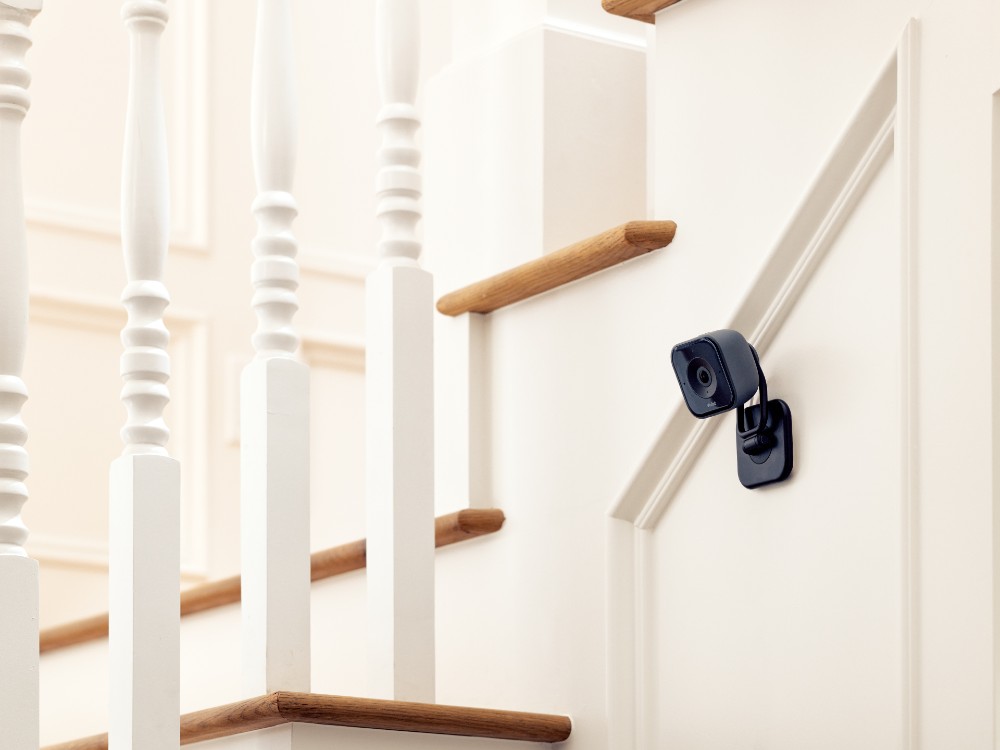
Smart camera use cases inside the home
Indoor home security cameras support a wide range of daily needs, and each one adds a new layer of utility to your security setup:
- Monitoring entry points. Cameras aimed at front doors or hallways provide early visual confirmation of movement.
- Checking on children or elderly relatives. Real-time video recording and access, and two-way talk create peace of mind for caregivers.
- Keeping an eye on pets. You can talk to your dog, monitor behavior, or even get alerts if there's unexpected movement.
- Capturing unexpected events. Footage can be saved and used for investigations or insurance claims after a break-in or incident.
Beyond specs: Start with your real-life needs
Most buying guides start with megapixels and field of view. But those metrics don't matter unless they support how you plan to use the camera. A parent working late needs reliable two-way talk and smart alerts. A traveler wants flexible storage access and quick motion clips. The most "advanced” camera is only as valuable as its everyday functionality—that’s why every Vivint system is designed around the people using it, not just the pixels powering it.
Why homeowners are investing in indoor security cameras
Smart indoor cameras are now essential parts of modern home security systems. They provide peace of mind whether you're across the street or across the country. Real-time monitoring, intelligent alerts, and seamless integration with smart home devices allow homeowners to stay connected and in control.
In practical terms, indoor cameras help deter intruders, allow you to check in on loved ones, and document unexpected incidents. From busy families to frequent travelers, the functionality offered by these devices is no longer a luxury; it's a necessity.
Related article
Vivint Indoor Camera Reviews: See What People are Saying
How to choose the right indoor camera for your home
Every home and homeowner is different. That's why choosing the right indoor camera starts with understanding what you want it to do. Some people prioritize video quality and storage, while others care more about smart alerts or integration with voice assistants.
If you live with pets, you might want AI-powered person detection to cut down on false alarms. If you travel often, cloud access and mobile control become essential. And if your home is already full of smart devices, compatibility with your existing ecosystem should be a top priority.
The good news? Modern indoor cameras come loaded with features. The key is knowing which ones match your lifestyle, your layout, and your long-term goals. Here's what to look for as you start narrowing down your options.
Wired vs. wireless: What's best for your setup?
Your home layout and tech preferences will guide your decision between wired and wireless models.
Wired cameras are highly reliable and never need recharging, but they require more involved installation. Wireless cameras are more flexible and typically easier to install, especially in apartments or rentals. Some plug into outlets, while others are fully battery-powered. These wire-free options provide total freedom in placement but require regular battery maintenance and may have less powerful features due to the limitations of battery power.
For most homeowners in 2026, Wi-Fi security cameras strike the best balance between reliability and flexibility.
Privacy is the new premium feature
In an era where smart homes are always on, privacy is a core feature. Homeowners want control over who sees what, when, and why. That's why today's top-tier cameras offer tools like encrypted data, selective motion zones, and lens covers.
Resolution, night vision, and overall video quality
Today's indoor cameras deliver sharp, detailed image quality in all lighting conditions (including low-light), helping you capture everything from facial features to subtle movements.
- At least 1080p HD resolution to ensure clarity and facial recognition
- Night vision or enhanced IR for more detail after dark
- Wide dynamic range to handle tricky lighting situations (like sunlight through windows)
High-quality video makes all the difference when you're reviewing footage or zooming in on a detail.
Motion detection, person detection, and smarter alerts
Motion detection has long been a standard, but AI-driven person detection now sets the best systems apart. Instead of sending alerts every time a curtain moves or a pet walks by, your camera should be able to tell the difference between irrelevant movement and a real security concern.
Combatting alert fatigue with smarter AI
False alarms can turn even the best camera into background noise. That's why AI person detection has become an essential feature. Instead of notifications every time your pet walks by, intelligent alerts focus only on real movement that matters. This reduces burnout and increases trust in your system. AI-powered features in Vivint cameras ensure you pay attention when it really counts.
Two-way audio and sound detection
Two-way audio transforms a camera from a passive device into an interactive tool. Whether you're checking in on a pet, telling a child dinner's ready, or warning a potential intruder they're being recorded, this feature adds versatility to your setup.
Some cameras also offer ambient sound detection, such as listening for loud noises or anomalies like glass breaking. Combined with motion alerts, this gives you a more complete picture of what's happening inside your home.
Pan, tilt, and field of view
Coverage is just as important as clarity. A wide field of view, ideally 130° or more, allows you to monitor an entire room with a single camera. Some users may prefer pan-and-tilt functionality, which lets you adjust the view remotely through your mobile app.
Why hybrid storage is the future
In 2026, smart home security camera storage options aren't a binary choice. Rather than choosing between local and cloud storage only, it's a layered solution.
Cloud services offer convenience and remote access. Local storage typically involves saving video footage directly to a device within your home, often using a DVR, NVR, or a microSD card inserted into the camera itself. This option is ideal for homeowners who want to avoid monthly fees or rely on internet access to view past recordings.
Vivint Playback blends the two, allowing homeowners to access real-time feeds via the cloud and retain 24/7 recordings locally. The result? A system that's resilient, redundant, and ready for any scenario.
Smart home compatibility and mobile control
The best cameras integrate seamlessly into your smart home ecosystem. The Vivint Indoor Camera Pro works with Google Assistant and can be controlled through the Vivint Smart Hub or mobile app. That means you can view live footage, receive alerts, and adjust settings, all from your phone.
Look for compatibility with smart locks, lighting, or thermostats to create customized automation routines based on camera activity.
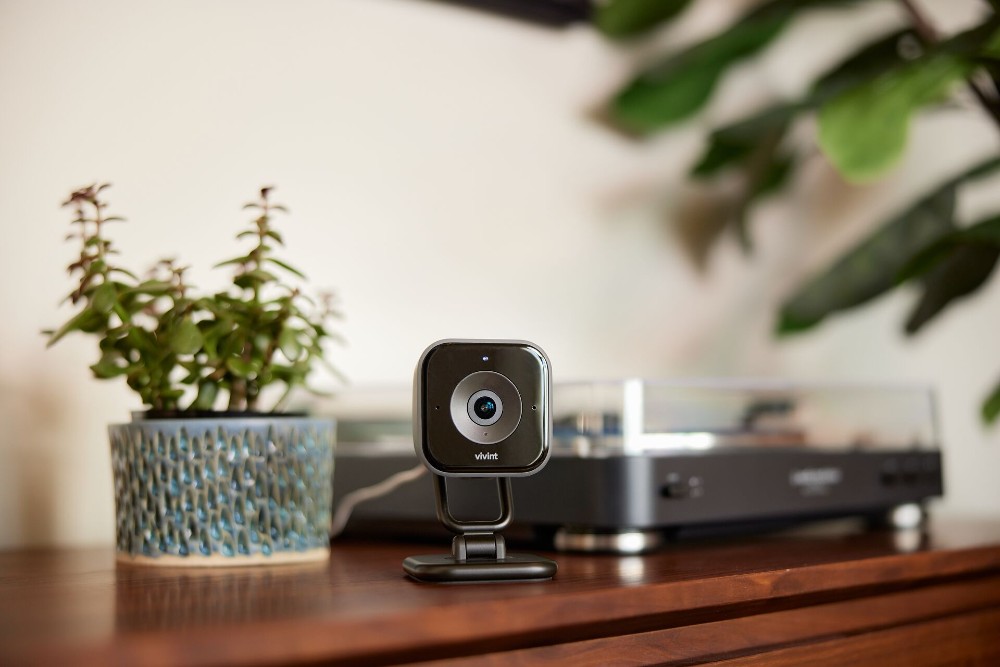
Indoor camera placement: Where to get the best coverage
Placement plays a huge role in how effective your indoor camera is. Start with these high-impact zones:
- Main entrances and high-traffic hallways
- Living rooms or shared spaces where people congregate
- Bedrooms or areas with valuables (if privacy settings allow)
Can you point a camera out a window?
Technically, yes, but it's not ideal. IR glare at night will distort your footage. For outdoor monitoring, use a dedicated weatherproof camera.
Related article
Security Cameras Without Subscriptions: Are They Worth It?
Vivint Indoor Camera Pro: A closer look
The Vivint Indoor Camera Pro stands out by blending smart design with family-friendly functionality. Highlights include:
- One-touch callout, allowing anyone at home to connect with you instantly
- AI person detection and smart alerts that cut through the noise
- Enhanced IR night vision and wide-angle HD video for full-room visibility
- Cloud and local storage, so you're never without access
- Full integration with the Vivint security ecosystem, including voice assistant support
Customers regularly highlight the camera's reliability and intuitive controls, and its ability to scale as your smart home grows.
And because it's part of the larger Vivint smart home ecosystem, it pairs seamlessly with other devices like smart locks, outdoor cameras, and your video doorbell, giving you full visibility inside and outside your home.
| Standard indoor camera versus the Indoor Camera Pro | |||
|---|---|---|---|
| Feature | Standard indoor camera | Vivint Indoor Camera Pro | |
| Resolution | ✔ 720p/1080p | ✔ 1080p HD | |
| Night vision | ✔ Basic IR | ✔ Enhanced IR | |
| Two-way audio | ✔ Sometimes | ✔ Crystal clear | |
| Smart alerts | ❌ Basic motion | ✔ Person detection + notifications | |
| Storage | ✔ Cloud or SD | ✔ Cloud + Vivint Playback | |
| Smart home integration | ✔ Varies | ✔ Google, Smart Hub | |
| Field of view | ✔ ~100–120° | ✔ Wide angle | |
| Live support button | ❌ | ✔ One-touch callout | |
2026 camera trends to know
As indoor security tech matures, here's what's trending now:
- AI-powered alerts are now standard on mid- to high-tier models
- Color night vision is becoming a must-have feature
- Privacy tools like encrypted footage and lens covers are on the rise
- More systems now offer hybrid cloud + local video storage
- Voice control and full smart home integration are table stakes
Best indoor security camera 2026: What really matters
Looking for the best security camera for indoor use in 2026? The truth is, "best” depends on your needs, not just specs. Focus on real-life use cases: Do you want to check on your dog? Talk to your kids? Record footage 24/7 without annoying alerts? The right camera should offer clarity, control, and confidence without compromise.
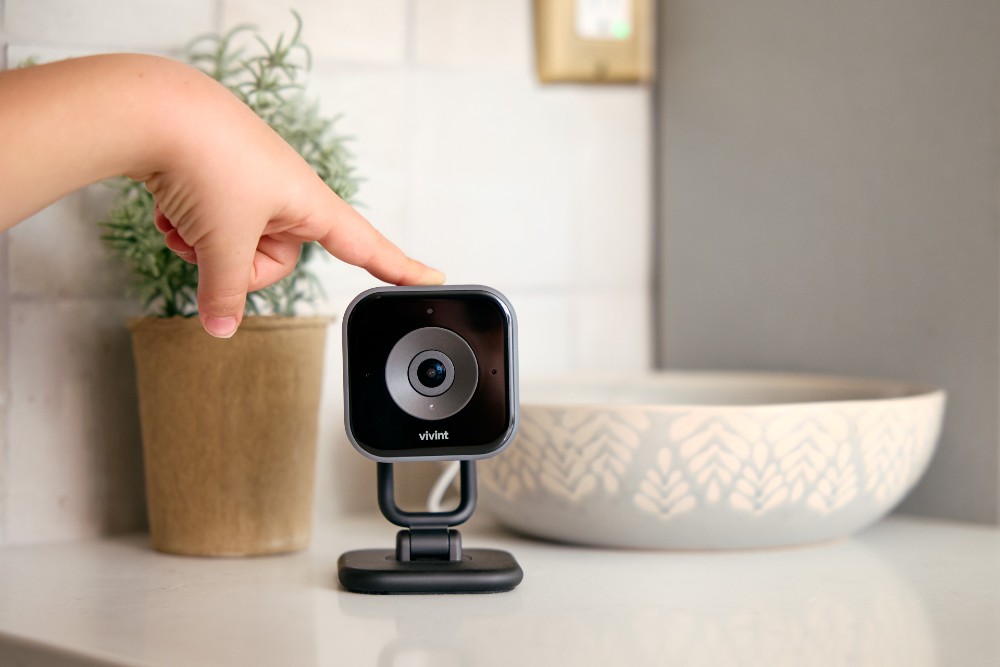
Find the best indoor security camera options from Vivint
Indoor cameras have come a long way, and in 2026, they're smarter, safer, and more user-friendly than ever. Whether you're building a full smart home or just starting with one device, today's best indoor security cameras offer real-time peace of mind and long-term flexibility. The Vivint Indoor Camera Pro rises above the competition with its intelligent features, seamless integration, and user-first design.
FAQs: Answers to common indoor camera questions
Choosing an indoor security camera comes with a lot of small but important decisions—from installation to storage to day-to-day use. Whether you're new to home security or refining an existing camera system, these frequently asked questions address the things most homeowners want to know before buying or upgrading.
Do indoor cameras record 24/7?
Yes, many indoor security cameras offer continuous, 24/7 recording — but not all do. Some models only record when motion is detected to conserve storage and bandwidth. With Vivint, your cameras can keep recording 24/7 even if the Wi-Fi goes down thanks to the wired connection. And with Playback, you can record 24/7 continuous video for up to 10 days This is especially useful for high-traffic areas or for users who want a full video history rather than short motion-triggered clips.
Can I use an indoor cam through a window?
While it's technically possible to aim an indoor camera out a window, it's generally not recommended—especially for nighttime use. Most cameras use infrared (IR) for night vision, and those IR lights tend to reflect off the glass, resulting in washed-out or unusable footage. If you want to monitor your yard, driveway, or porch, an outdoor security camera with weatherproof housing and optimized night vision is a better choice.
Are indoor security cameras DIY-friendly?
Some indoor cameras are marketed as DIY-friendly, especially battery-powered or plug-in models. The Vivint Indoor Camera Pro is professionally installed, which ensures optimal placement, integration with your broader smart home system, and a setup that works flawlessly from day one. For homeowners who value performance and long-term reliability, professional installation eliminates the guesswork and reduces the chance of user error or compatibility issues.
How can I hide my indoor camera?
If you prefer a discreet setup, there are a few ways to hide an indoor camera without compromising its effectiveness. Mounting the camera high on a shelf or wall helps keep it out of direct view while still capturing a wide area. You can also place it among everyday items like plants, books, or décor pieces to make it less noticeable. Just make sure the lens isn't obstructed and that it has a clear view of the area you want to monitor.
Can I use an indoor camera as a baby monitor?
Yes, many smart indoor cameras are great for new babies. They can function like baby monitors, especially those with night vision, two-way audio, and sound detection. The Vivint Indoor Camera, for example, lets you see and hear your child in real time and speak to them through the app. Some parents find this even more helpful than traditional baby monitors, especially with the added benefit of mobile access from anywhere and the ability to review video history if needed.
Get a free quote today.
A Vivint Smart Home Pro will contact you within 24 hours. Or skip the form and call now: 844.481.8630.
Everything works together
Combine products
for a safer home
You may also like:
Security Cameras
How to Choose a Home Security Camera (Complete Decision Guide)
Aug. 04, 2026
Security Cameras
Wireless vs. Wired Home Security Cameras: Which Is Best for You?
Explore the pros and cons of wireless and wired home security cameras to determine the best choice for your safety and convenience.
Jul. 28, 2026
Security Cameras
How Vivint Doorbell Camera Alerts & Cloud Recording Work
The Vivint Doorbell Camera Pro delivers real-time alerts, AI-powered detection, cloud storage and recording, and Smart Deter™ to help protect your front door and packages.
Jul. 06, 2026
Related Content
-
Vivint Indoor Camera: The Best Indoor Camera with Audio
The Vivint Ping Camera is the most reliable indoor camera with audio - letting you see, speak, and stay connected to your home and your loved one when you’re away.
-
Meet the New Indoor Camera Pro
Equip your smart home with an indoor security camera like Vivint’s Indoor Camera Pro for greater protection and peace of mind.
-
Indoor Security Camera & Indoor Camera Systems
Vivint’s Indoor Camera gives you Sight & Sound with its two way talk & one touch callout. Call 855.724.4415 Today for More Information about our Award Winning 24/7 Home Automation Systems.


