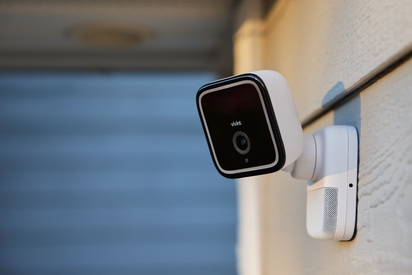
The Outdoor Camera Pro 3 takes smart features and functionality to the next level with powerful upgrades that protect your home and vehicle more accurately than ever.
Security Cameras vs. Alarms: Build the Best Home Security
When it comes to security cameras vs alarm: one watches, the other reacts. But which one offers better protection? The best home security combines both security cameras and alarm systems into one for layered protection.
A security camera is a device that captures and records video footage of your property, while an alarm system is a network of sensors and alarms that detect intruders and alerts homeowners or monitoring services.
A lot of homeowners assume that choosing between these security devices is an either-or decision. In reality, the smartest home security system combines both for stronger deterrence, faster response, and greater peace of mind.
The bottom line: For the best home security, you need both security cameras and an alarm system working together. An integrated system that combines both offers the strongest, smartest defense for your home and family. With Vivint, you get an alarm system and security cameras, all controlled through a single app with 24/7 monitoring.
Key takeaways
- Security cameras provide visibility and video evidence, while alarm systems trigger audible alarms and alert the homeowner and/or a monitoring center
- Cameras alone cannot stop an intruder or automatically alert authorities. Alarm systems fill this critical home security gap
- Nearly 70% of break-ins involve forced entry, making door and window sensors paired with an alarm system essential
- Security systems that combine cameras and alarms in one offer the most reliable protection
- Professional monitoring adds 24/7 protection and response that self-monitored cameras simply cannot match
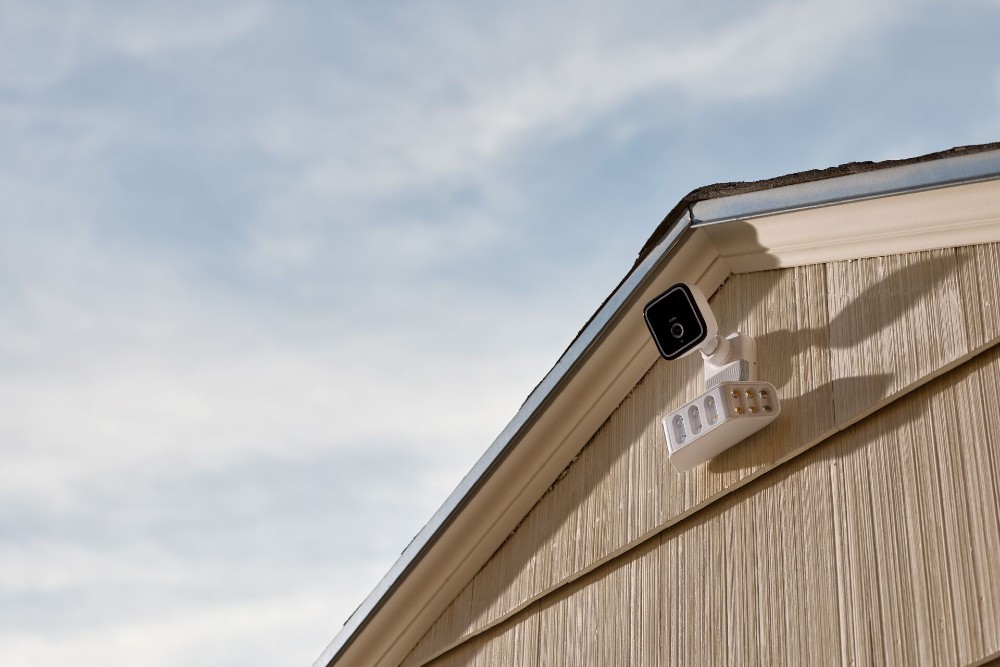
Feature comparison: Security cameras vs alarm systems performance
Despite increasingly easier access to smart home technology, only 38% of Americans use a security system. Even more alarmingly, nearly a quarter admit they do nothing at all to deter burglars.
That's quite a concerning gap, considering most burglary and property crimes result in destruction, damage, or vandalism—and how varied and affordable today's security devices have become.
A strong home security setup depends on understanding what each tool actually does. While security cameras focus on visibility and recording, an alarm system centers on reaction and response. Both offer their own unique strengths and often have overlapping features like motion detection and mobile alerts.
Here's how their core functions compare:
| Security Cameras vs. Alarm Systems | ||
|---|---|---|
| Feature | Security cameras | Alarm systems |
| Monitoring type | Can be self- or professionally monitored | Typically backed by professional monitoring and a monitoring center |
| Power source | Battery powered, wired, or PoE (Power over Ethernet). | Hardwired to household power with SLA battery backup |
| Ideal use case | - Visually tracking entrances and activity. - Pairs well with a floodlight camera, infrared, or doorbell camera. - Works both inside and outside the home. |
- Detecting unauthorized access or forced entry. - Deterring would-be burglars by blasting a loud siren or alarm. |
| Key function | - Live feed and recording via a camera system, including night vision and two-way audio. | - Loud sirens and immediate alerts during a trigger event. |
| Response time | - Depends on user availability and alerting capability. | - Immediate response from monitoring services when tripped. - Fast response time, calling authorities or sending a security unit to investigate. |
| Add-ons | - Video doorbell - DVR/NVR local storage - Motion sensor - Infrared illumination or thermal imaging. |
- Contact sensors - Glass-break sensors - Motion detectors - Proximity sensors. |
The choice may seem like it's just a matter of preference. However, combining cameras and alarm systems offers more complete coverage than one device can give on its own.
Related article
How Much Does Alarm Monitoring Cost?
Can cameras replace alarms? The myth of one-size-fits-all
It's a tempting thought that security cameras are enough to protect your home, especially given that modern setups send real-time notifications and offer full HD views of your property. However, while regular security cameras do give you eyes on what's happening, they don't stop an intruder in the moment.
In fact, many break-ins happen through doors or glass windows, with nearly 70% involving forced entry through a frame or opening. Yes, a typical security cameras will capture the event, but motion detection on a door or window sensor paired with an alarm system can sound a siren and trigger your professional monitoring to respond immediately.
There's also the issue of false alarms. Relying solely on motion alerts from DIY cameras can lead to irrelevant pings from passing cars, delivery drivers, or your neighbor's cat chasing a squirrel across your front yard. Without the backup provided by a dedicated monitoring center, it's easy to accidentally dismiss a real threat.
Deterrent effect of having a professionally monitored setup is so powerful that even placing the sign for your monitoring company in your yard is enough to make most burglars choose another target.
It all boils down to this: cameras see, but alarms act. Relying on one without the other leaves a gap in your home's defenses.
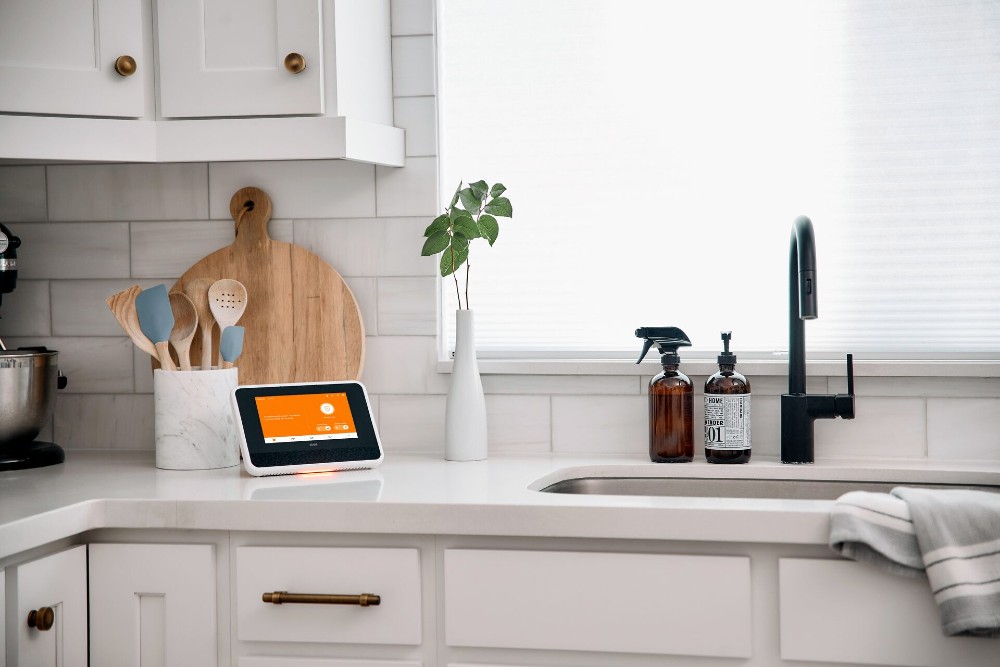
Are security cameras enough protection?
No, security cameras alone are not enough protection because they cannot do all that an alarm monitoring system can do. Security cameras are a valuable part of any home security system as they offer visibility, collection, and crime deterrence. On their own, however, they can't physically stop a break-in or contact authorities when something goes wrong.
Unless cameras are integrated with monitoring services or supported by an alarm system, cameras can only record the events as they occur. For complete protection, a system that combines professional monitoring, real-time notifications, and audible alarms offers faster response and greater peace of mind.
Most homeowners will find that pairing security cameras with broader home security systems that can act rather than just observe provides both deterrence and the means to document the incident for authorities and insurance. Learn how a fully integrated smart home security system can offer full protection and control.
Related article
Vivint Security Camera Reviews
Do I need an alarm if I already have outdoor cameras?
Many homeowners assume that if they have outdoor cameras, then their property is secure. While regular security cameras mounted outside do offer increased visibility, they fall short in a few key areas where an alarm system adds more complete protection:
- Blind spots. Outdoor cameras can't see around every corner, over fences, or in less-lit areas near the front door. Without professional installation to ensure there are no blind spots, you might not have every space covered.
- No audible deterrent. Without a siren or alarm system, intruders might miss or even ignore the cameras altogether. Vivint outdoor and doorbell cameras come equipped with Smart Deter technology that plays a loud sound to let intruders know they’ve been spotted.
- Delayed response. If you miss a motion alert or can't check your phone, there's no automatic call to someone who can monitor the situation for you.
- Power or Internet loss. Unless the entire system is hardwired with backup, cameras will fail during an outage.
- Low video quality. Without 4K resolution, it can be hard to capture any useful details like number plates or facial features. Systems like the Vivint Outdoor Camera Pro help solve this by combining ultra-clear HDR 4K video with motion tracking.
Combining motion sensors within a monitored alarm system strengthens your defense beyond what cameras alone can offer.
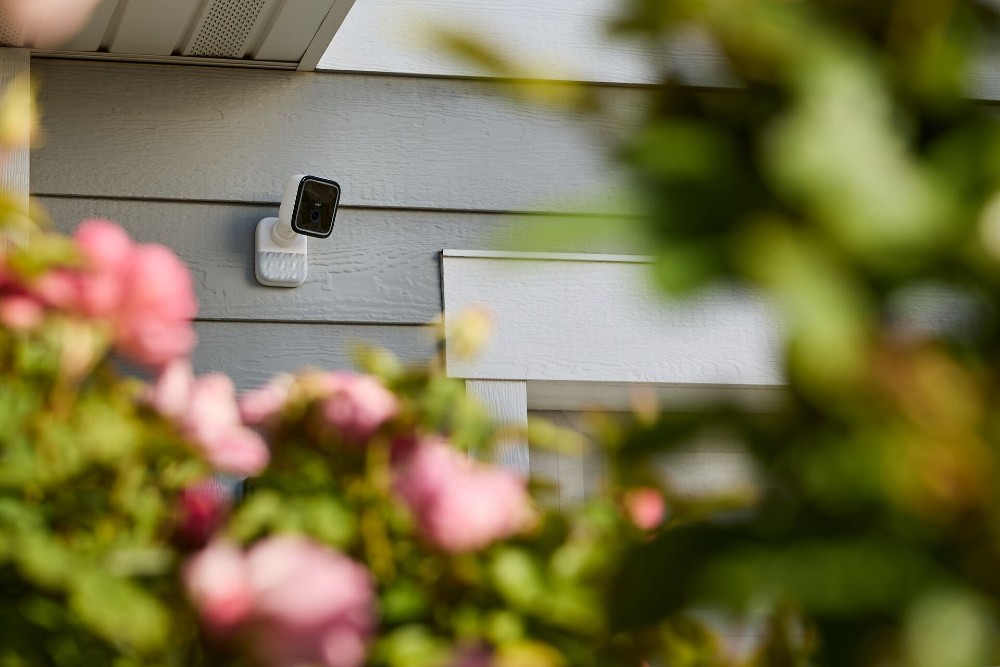
Technology considerations: Wi-Fi, power, and smart home integration
Choosing between Wi-Fi and hardwired security systems comes down to how it affects reliability, installation, and how well your setup integrates with other smart home security systems.
A Wi-Fi connection offers easy setup and flexibility. Devices that are plug-in or battery-powered are often ideal for renters or anyone who needs to avoid permanent installation. These systems typically work well with voice assistants like Google smart assistant. However, they depend entirely on a strong wireless signal and a secure network.
Given that just over half of American family households experience regular WiFi issues, hardwired systems can offer more stability, especially when paired with backup power. They're far less vulnerable to network issues that affect WiFi and are harder for intruders to tamper with. Installation does require more hassle and planning. However, the added reliability often outweighs the effort.
Below is a breakdown of the key differences:
| Wi-Fi vs. Hardwired Security Systems | ||
|---|---|---|
| Feature | Wi-Fi systems | Hardwired systems |
| Connection type | Wireless via home Wi-Fi network or standalone Wi-Fi device. | Direct Ethernet or physical coaxial cabling. |
| Backup options | Battery powered, solar panel, plug-in, cellular backup. | Cellular backup and battery backup via UPS or SLA battery. |
| Smart home compatibility | Compatible with Google Home and other home automation platforms. | Also supports smart integration and is often more secure. |
| Video storage options | Cloud-based, local (via microSD card, NVR). | Cloud-based, local (NVR, hard disk). |
| Vulnerabilities | Susceptible to outages, signal drops, and hacking by deauthentication attacks. | Less vulnerable to external interference. |
Choosing the right setup for your home
The best security setup depends on your living situation and confidence with installation. Here's a quick guide to help homeowners and renters decide what works best:
- Homeowners: A permanent setup often makes sense. Many choose hardwired systems with long-term add-on options like a smart home hub, thermostat, or extra keypad for garage access.
- Renters: Portability matters. Wireless and plug-in devices reduce the risk of damage and allow for quick installation and uninstallation. Look for systems that accept a microSD card for local device-based storage to avoid cloud subscriptions.
- Professional Installation: A trained team can make sure that everything is placed correctly and securely. A professional installation is often the best choice for making sure your equipment is installed properly and ready to use..
Choosing the right setup ultimately depends on how much control and convenience you want, along with how permanent your setup needs to be.
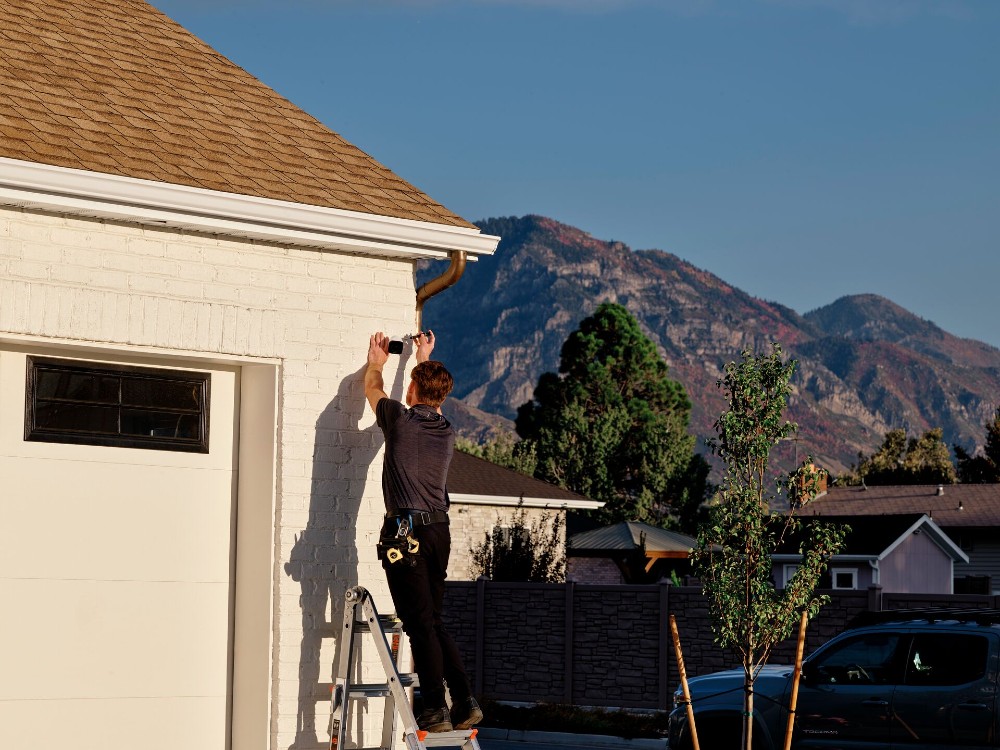
Integration with the Vivint app
If you think managing multiple devices and different apps is frustrating, just wait until you actually need them in an emergency. That's why integrated smart home security systems have become the preferred choice for many homeowners.
A unified setup brings your alarm system, video doorbell, and cameras into a single and streamlined control hub.
Combining security solutions into one smart platform offers clear advantages:
- Real-time alerts: Get notifications and live video feeds the moment motion is detected.
- One app does it all: Control your alarm, camera system, locks, and lights from anywhere with one interface.
- Two-way audio: Use built-in microphones and speakers to speak with visitors or ward off unwanted guests.
- Easy disarming: Remotely unlock doors or disarm your system when friends or family arrive unexpectedly.
A Vivint system brings everything together under one app. From monitoring services to camera footage, you always get a complete view of what's happening around your home. It's the most efficient way to stay in control and respond to events when they happen, not after it's all over.
Peace of mind through smarter security
Choosing between security cameras and an alarm system shouldn't be your focus when building a modern security system to protect your home and family. Combining both into a single, unified home security system is the best protection.
Each serves a different purpose: Cameras give you visibility. Alarms provide a response. Together, they deliver stronger and smarter coverage.
Modern smart home security systems tie everything together. With connected security products, real-time alerts, and support from a 24/7 monitoring center, you get both convenience and confidence. Add in professional monitoring, and you don't have to second-guess whether your system is doing its job.
Vivint offers a fully integrated and app-controlled home security system for homeowners and renters looking to gain peace of mind—one that's backed by professional monitoring. Explore Vivint packages and give us a call at 855.822.1220 to find the right fit for your needs.
Related article
DIY vs Professional Installation
Frequently asked questions
It's important to have both security cameras and an alarm system to keep your home safe. Want to learn more? Read on here.
Do I need both a security camera and an alarm system?
Yes, for complete protection you need both. Security cameras provide visibility and evidence, while alarm systems trigger immediate responses and alert monitoring centers. Together, they create layered security that keeps you safe.
Can security cameras replace an alarm system?
No, security cameras cannot replace an alarm system. Cameras record what happens but are not the same as an alarm An alarm system fills critical gaps with sirens and professional monitoring response.
What's the difference between security cameras and alarm systems?
Security cameras capture and record video footage for visibility and evidence. Alarm systems use sensors to detect intrusions and respond with sirens and alerts to monitoring centers.
Are outdoor cameras enough to protect my home?
No, outdoor cameras alone are not enough because they lack the features of alarm monitoring. Pairing them with an alarm system provides more complete protection.
Is professional monitoring worth it for home security?
Yes, professional monitoring provides 24/7 response capability, emergency dispatch coordination, and immediate threat verification. This is protection that self-monitored systems cannot match.
Should I choose a wireless or hardwired security system?
Wired security is typically the best choice for homeowners, but it the answer will be unique to you. Wireless systems offer flexibility and easy installation, ideal for renters. Hardwired systems provide more reliability and are less vulnerable to interference, making them better for permanent installations.
Get a free quote today.
A Vivint Smart Home Pro will contact you within 24 hours. Or skip the form and call now: 844.481.8630.
Everything works together
Combine products
for a safer home
You may also like:
Security Cameras
Vivint Outdoor Camera Pro: Meet the Smartest Outdoor Camera on the Market
Feb. 04, 2026
Smart Guides
The Vivint Buying Guide: What's Included, Average Cost, and How to Buy
Interested in a Vivint Smart Home system but still have some questions? We've got answers for the most frequently asked questions about our security systems.
Nov. 07, 2019
Home & Family
10 Things You Probably Didn’t Know About Vivint
Vivint Smart Home is the number one smart home service provider in North America, and enhances the lives of children with intellectual disabilities through Vivint Gives Back.
Feb. 02, 2018
Related content
-
Wireless vs. Wired Home Security Cameras: Which Is Best for You?
Explore the pros and cons of wireless and wired home security cameras to determine the best choice for your safety and convenience.
-
Monitored vs. Self-Monitored Home Security Systems: What You Should Know
Learn the difference between professionally monitored and self-monitored security systems, including pricing, pros and cons, and which system is best for you.
-
Security Cameras vs. Surveillance Cameras: What’s the Difference?
Although security and surveillance cameras serve the same purpose, they have subtle differences. Learn what those are.


