A new Vivint survey finds 82% of homeowners would pay more for security that stops break-ins, not just films them. See what people want from AI.
Locked Out of Your House? Here's What to Do
Quick answer: If you've locked yourself out of your house, first check all doors and windows for an unlocked entry point. Next, contact someone who has a spare key—a family member, roommate, or landlord. If neither works, call a locksmith, who can typically arrive within 15–30 minutes and open your door without damage.
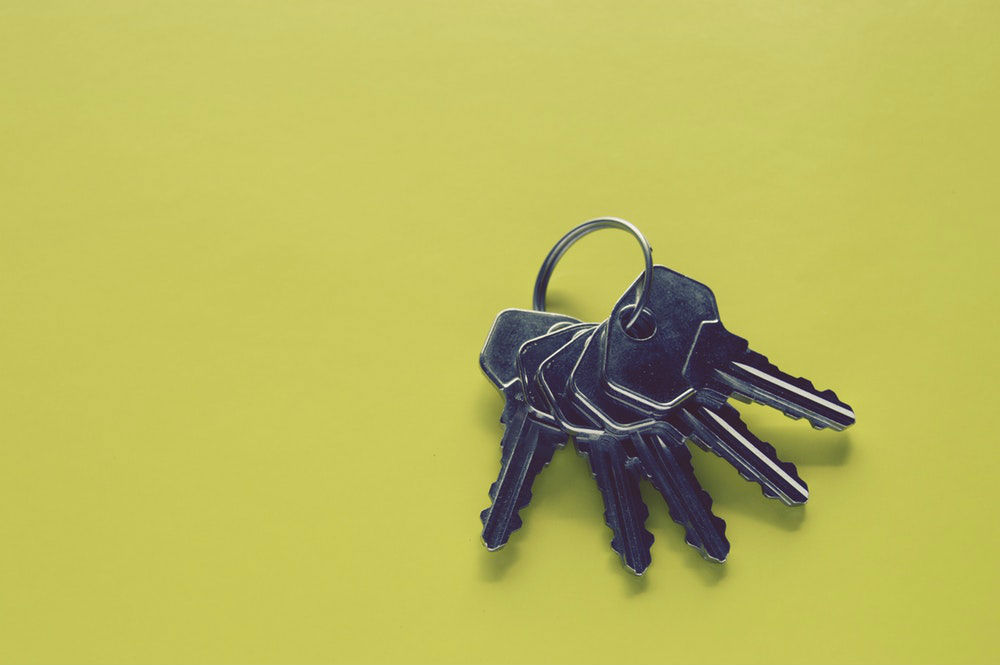
It happens to careful people all the time, and the good news is you have more ways in than it feels like right now. Take a breath, because panicking leads to a broken window you'll regret.
Here's the plan, in the order that actually helps: what to try in the next hour to get back inside, what to handle within a day so it doesn't cost you twice, and the one change that means you never spend another evening locked out of your house. That last part is where a smart lock earns its keep, so stick around for it.
Right now: How to get back inside
Your first goal is simple: get in without damaging your door or hurting yourself. Work through these in order.

Before anything else, walk the perimeter. A back door, a patio slider, or a ground-floor window you forgot to latch is the fastest way in. Check every ground-level access point, including any window left unlatched. Skip the second-story heroics, though; climbing to a window is how a lockout turns into an emergency room visit. |

Odds are good someone can save you a service call. Text or call a family member, roommate, or partner who has a house key, then think about anyone you've handed a spare key to, like a neighbor or petsitter. If you rent, your landlord or apartment complex office can usually let you in or has a master key on hand. |

If no one can bring a key, a couple of low-risk tricks work on a spring latch (not a deadbolt). Slide a stiff credit card between the door and frame at the latch and flex it back while pushing the door. Don't try to force or pick the lock with bobby pins if it risks breaking it, and never break a window to break in; the glass repair costs more than a locksmith would. |
A lockout is usually not a police matter, and emergency services would rather you call a locksmith for a plain locked door. But if a child or pet is stuck inside, someone needs medication, or a stove was left on, call 911; the police or fire department will treat that as the emergency it is. |
When to call 911 vs. a locksmith
- Call 911 if a child or pet is trapped inside, someone needs urgent medication, there's a fire or gas hazard, or any other life-threatening situation exists.
- Call a locksmith for a standard lockout with no safety emergency. They're equipped to open your door without damage and typically arrive faster for non-emergencies.
Related article
New Homeowners: What To Do the First 48 Hours
Within 24 hours: Lock things down
Once you're back inside, a few quick moves keep this from becoming a recurring expense.
- Call a locksmith if you're still stuck. A locksmith is the surefire way in and can open the door without damage, usually within the hour.
- Rekey or update who has access. If you've lost your keys rather than left them sitting inside, rekey the deadbolt or change the lock so a missing house key can't be used against you.
- Set up a backup. Leave a spare key with a trusted neighbor or in a combination lockbox, rather than under the mat where a burglar looks first.
- Add it up. Total what this lockout actually cost you, because that number is the case for never repeating it.
A standard locksmith lockout runs $166 to $192, and an after-hours or weekend emergency call often ends up between $150 and $250, before you count the hour you lose standing outside.
How much does a lockout cost?
| Service | Typical Cost |
|---|---|
| Locksmith lockout, standard | $166–$192 |
| Locksmith lockout, after hours or weekend | $150–$250 |
| Your time, an hour or more | However you value your hour |
| Every future lockout | The same bill again |
Download our home security camera guide.
Indoor, outdoor, doorbell—we’ve got them all. Learn how security cameras can protect your home and family with this free guide.
Never again: The smart-lock setup that ends lockouts
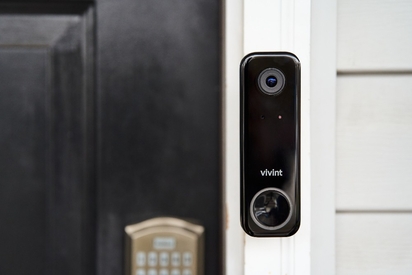
A Vivint smart lock replaces the key you keep forgetting with a keypad code, so there's nothing to leave on the counter. Here's what makes it the fix that turns getting locked out of your house from a constant risk into a non-event:
- No key to forget. Open the deadbolt with a personal code instead of a physical key, which is why keyless entry ends most lockouts outright.
- A code for everyone. Give each family member, a house guest, or a petsitter their own code, and delete it whenever you want, so you never hand out a house key you can't get back.
- Remote access. Lock or open the door from anywhere in the Vivint app, so a locked-out kid is a two-tap fix from your phone.
- Part of your security. As part of a Vivint security system, the lock ties into your cameras and alerts, and smart locks are safe and encrypted.
One or two locksmith calls cost about the same as the upgrade, except the smart lock keeps paying you back every time you would have been stuck. If you're tired of stashing spare keys, it's a better alternative to house keys that also means you never stress about losing your keys again.
How to prevent future lockouts
- Hide a spare key wisely. Leave one with a trusted neighbor or in a combination lockbox—never under the mat or a fake rock.
- Install a smart lock. A keypad code or app-based entry eliminates the need for a physical key.
- Create a leaving-home routine. Check for your keys before closing the door every time.
- Use a key tracker. Attach a Bluetooth tracker to your keychain so you can locate lost keys with your phone.
- Designate a key spot. Always store your keys in the same place at home so they're never misplaced.
- Share access with someone you trust. Make sure at least one other person can let you in if needed.
- Keep your locksmith's number saved. If all else fails, you'll be ready to call for help immediately.
Make this lockout the last one
Getting back inside today is only half the problem; the other half is making sure you're not reading this again next month. Try the doors and windows, call someone with a key, and lean on a locksmith if you need one. Then make the change that ends it for good. Make this your last lockout with Vivint smart locks.
Give us a call at 855.822.1220 to get started with a Vivint system today.
Related article
The Pros and Cons of Keypad vs. Keyless Entry
Frequently asked questions
These are the questions people ask most in the first few minutes of a lockout.
How do I get into my house if I locked myself out?
Start with an open or unlatched door or window, then call anyone with a spare key, including a neighbor or your landlord. If that fails, a locksmith can open the door without damage, usually within an hour.
How do you open a locked door without a key?
On a spring latch, a stiff credit card slid at the latch can pop it, and a screwdriver can sometimes remove the doorknob. Neither works on a deadbolt, and both can damage the lock, so a locksmith is the safe choice.
Can I call the police if I'm locked out of my house?
For a plain locked door, the police will point you to a locksmith. Call 911 only if it's a genuine emergency, like a child or pet stuck inside or a stove left on.
How much does a locksmith cost to open a house?
A standard lockout runs about $166 to $192, and an after-hours or weekend emergency call often costs $150 to $250. Prices climb on nights, weekends, and holidays.
Do smart locks prevent lockouts?
Largely, yes. A keypad code means there's no key to forget, and remote access lets you open the door from your phone, so the usual causes of a lockout stop applying.
Get a free quote today.
A Vivint Smart Home Pro will contact you within 24 hours. Or skip the form and call now: 844.481.8630.
Everything works together
Combine products
for a safer home
You may also like:
Home Security
Perceptions of AI Home Security
Home Security
How Much Do Home Security System Devices Cost?
Learn more about how much individual home security system components cost, as well as what you can expect to spend in the first year of owning a home security system
Aug. 18, 2026

Home Security
Home Security for People Who Live Alone: Smart Tech That Actually Helps You Feel Safer
Live alone? See the home security setup that helps you feel safer: smart locks, panic alerts, monitored cameras, and routines you can trust.
Aug. 17, 2026
Related Content
-
Eye-Opening Home Burglary Statistics in 2024
Unveiling eye-opening home burglary stats: Learn how burglars select targets and safeguard your home against their tactics.
-
6 Things to Do If You Lose Your Keys (and How Keyless Entry Can Help)
Replacing your keys after they get lost and stolen can be a stressful experience. With Vivint smart locks, you can minimize the stress.
-
Carbon Monoxide Detector Going Off? Here's What to Do Next
If your carbon monoxide detector goes off, act fast. Learn what to do, what causes carbon monoxide leaks, and how to keep your home safe.


