


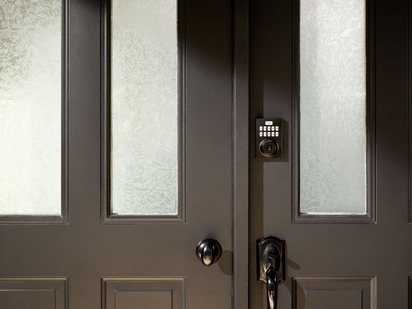
Learn how smart locks work, how they connect to your home, and how keyless entry, remote access, and smart home integration can improve convenience and security.
How To Secure a Sliding Glass Door: 4 Burglar Tactics and the Fixes That Stop Each One
Key takeaways
- About 22% of break-ins come through a back or patio door, and sliding glass doors are a common target because the standard latch is the weakest point of most homes.
- The four most common burglar tactics on a sliding door are lifting the panel off its track, prying the latch, kicking or breaking the glass, and walking through an unlocked door.
- Each tactic has a specific fix: an anti-lift bolt, a foot lock or other auxiliary lock, shatterproof film paired with a glass break sensor and a security bar in the track, and a monitored door sensor with auto-arm.
- Renters get most of the same protection without drilling. Homeowners can go further with permanent installs.
- Adding monitored door, window, and glass break sensors is the single biggest upgrade for sliding-door security. A real person verifies the alarm and dispatches help instead of just sounding a siren.
Sliding glass doors are the back-of-the-house entry point most homeowners never think about. They let in natural light, open onto the patio, and look great on the listing photos. They're also a common target for burglars, partly because the standard latch is the weakest locking mechanism in most homes. About 22% of break-ins come through a back or patio door. That's almost a quarter of all home break-ins routing through what's often the flimsiest door in the house.
The good news: every common tactic burglars use on a sliding glass door has a specific, inexpensive fix. This guide maps the four tactics to the fixes that stop each one, with notes on which fixes work for renters, which need drilling, and how a monitored home security system ties everything together to close the vulnerability.
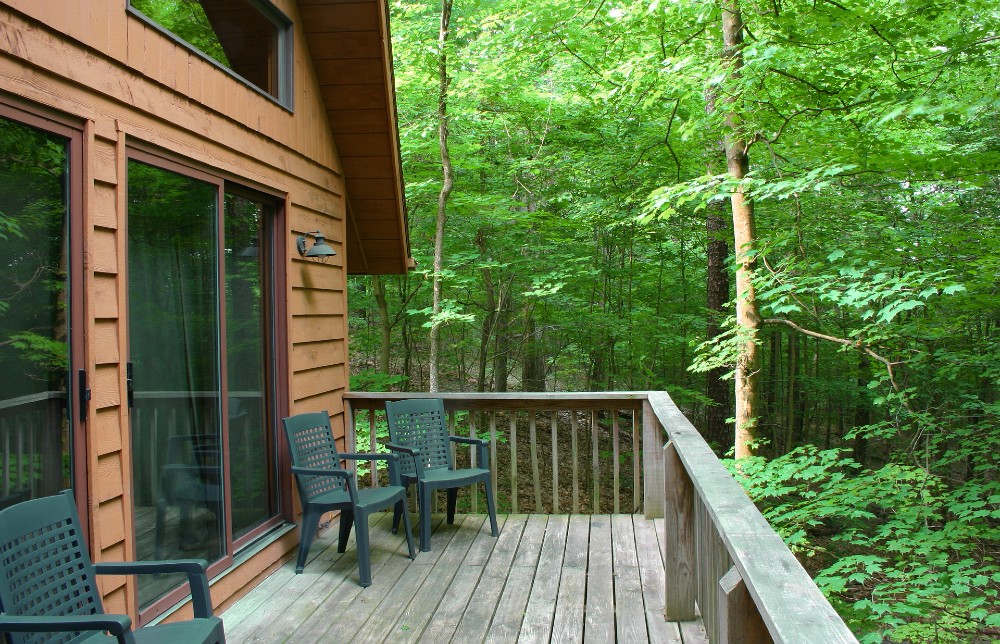
4 burglar tactics on a sliding door, and the fix that stops each one
Before you can pick the right fix, it helps to see how a sliding door actually fails under attack. The table below maps each tactic to the specific fix that shuts it down. Match the threat you're worried about to the fix that addresses it, or stack all four for the strongest setup.
|
|
|
|
|
|
|
|
|
|
|
|
|
|
|
|
|
|
Sensors that call for help
Hardware fixes (bolts, bars, film) make a sliding door harder to defeat. Sensors can actually call for help the moment something goes wrong. Three sensor types help the most for a sliding glass door.
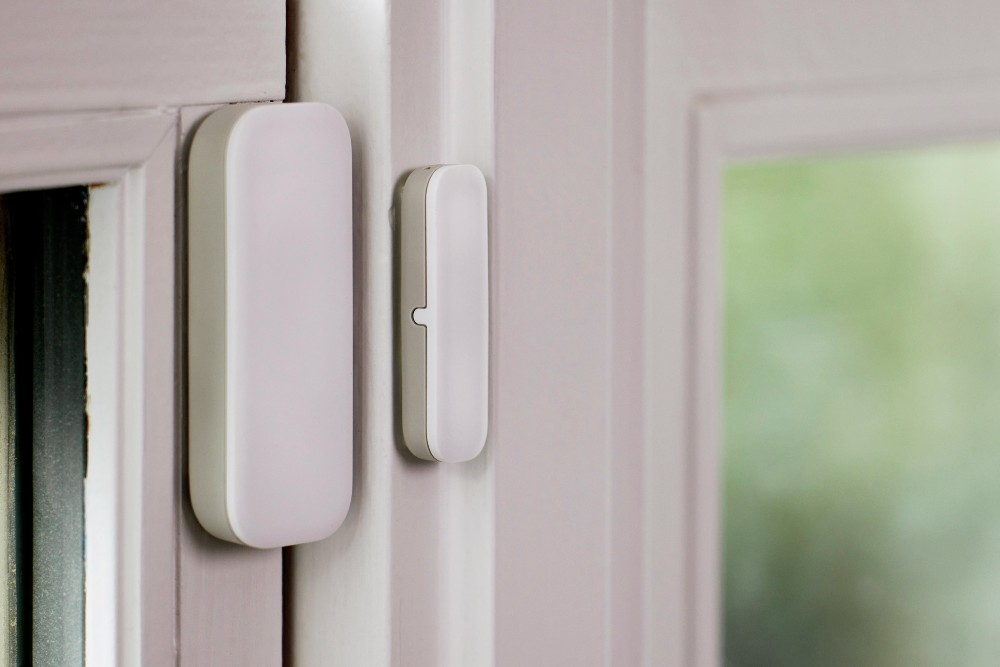
| Glass break detectors listen for the sound of breaking glass and trigger the alarm. Our glass break sensor covers a 360° area within a 20-foot radius, with three sensitivity levels and dual-shatter recognition to reduce false alarms. Glass break sensors are one of the most useful security features for sliding patio doors. | Door sensors and window sensors are magnetic contacts that trigger the alarm when the slider opens unexpectedly. Our door and window sensors mount with adhesive (renter-friendly) or screws and run on long-life batteries, with real-time notifications routed to your phone. | A motion-sensor outdoor camera gives you visual evidence and a real-time view of the patio. Our outdoor security camera covers the back of the house with motion alerts, two-way talk, night vision, and notifications when someone steps onto the patio. |
The biggest difference between a $20 hardware fix and a monitored sensor isn't the device itself. It's what happens after the alarm trips. With monitored sensors, a 24/7 central station verifies the alarm and dispatches police on your behalf. Without monitoring, the alarm sounds and the rest is up to you.
See our guide to preventing glass-window break-ins for the full breakdown of how monitored systems handle glass attacks.
If you'd rather have a Vivint advisor map the right door, window, and glass-break sensors to your specific sliding doors, get a free security quote, and we'll walk through your home over the phone or on a video call.
Renter vs. homeowner DIY vs. smart-home setups
The right fix depends on what your lease allows, what you can install yourself, and how much of the system you want connected to a phone.
Three ways to secure a sliding glass door
| Renter Friendly | Homeowner DIY | Smart Home Integration | |
|---|---|---|---|
| What You Install | Tension-fit, anti-lift bolt Security bar in the track Shatterproof film Adhesive door/window sensors |
Drilled anti-lift bolt Foot lock or other auxiliary lock Shatterproof film Hardwired door and window sensors |
Everything in the other columns Glass break sensor Outdoor camera Scheduled or geofence-based auto-arm 24/7 monitoring |
| Effort | 30 minutes per door No tools, drilling, or permanent cahnges to the doorframe |
Half day per door | One professional installation appointment Technician handles every device |
| Best for | Renters Those who don't want to make permanent changes |
Homeowners Those who like working with their hands Those who don't want professional installation or monitoring |
Those who want professional monitoring and dispatch helpg |
How to secure a sliding glass door
Here's the full action plan, in order. You don't have to do all seven steps; pick the ones that fit your home and budget:
- Test your existing slider. Try lifting the panel. Try jiggling the latch. See how easy it is. If the panel lifts more than half an inch out of the track or the latch flexes when you push it, the door is on the easy side of "easy to defeat."
- Add an anti-lift bolt at the top of the track. A 30-second install that stops the lifting tactic.
- Install a foot lock. A second locking point that stops prying.
- Add a security bar in the track. Wedged between the door and the wall, the bar stops the door from sliding open even if the latch is defeated.
- Apply shatterproof film to the glass. A roll of film holds the glass together when it's hit, slowing or stopping the break-and-reach attack.
- Add monitored door, window, and glass break sensors. The sensors trigger the alarm; the monitoring center verifies it and calls for help.
- Set the security system to auto-arm. A scheduled or geofence-based auto-arm closes the unlocked-slider failure mode by making sure any opening triggers an alert when you're not home.
If you want a Vivint specialist to walk through your home and recommend the right setup for your sliding doors, head to Vivint.com for a free consultation. Professional installation, a real home security system tied to one app, high-quality patio door security backed by monitored sensors and 24/7 response, and a measurable lift in the level of security and home safety, all in one visit.
Related article
Beginner's Guide to Home Automation
Frequently asked questions about sliding door security
A handful of questions come up over and over with homeowners trying to secure a slider. Here's what to know first.
Are sliding glass doors a security risk?
They can be, especially older doors with single-pane glass and a standard latch. About 22% of break-ins enter through a back or patio door, The Zebra reports, partly because sliding-door latches are mechanically weaker than the locking mechanisms on a standard front door. The risk drops significantly with a few inexpensive upgrades: an anti-lift bolt, a security bar, shatterproof film, and monitored sensors.
How can I make my sliding door more secure?
Start with three quick fixes that work on almost any sliding door: an anti-lift bolt at the top of the track, a foot lock or other auxiliary lock, and a security bar in the track. Together, these three address the lifting, prying, and kicking tactics that account for most slider attacks.
From there, add shatterproof film to handle break-and-reach attempts and a monitored glass break sensor plus door sensor to call for help if any of the hardware fails. Set the security system to auto-arm on a schedule or geofence so any opening of an unlocked slider triggers an alert. Most homeowners say the real benefit comes from the peace of mind of knowing every locking mechanism is backed up by a monitored alarm.
Glass door security method comparisons
| Installation Difficulty | Requires Drilling | Renter-Friendly | Cost | |
|---|---|---|---|---|
| Security Cameras | Varies by wired vs. wireless models | Varies by wired vs. wireless models | Varies by wired vs. wireless models | $20–$500 per camera |
| Security Sensors | Easy | Some models require drilling, while some use adhesive backing | Yes for adhesive models | $20–$100 per unit |
| Sliding Glass Door Deadbolt | Easy | No | Yes | $10–$50 |
| Shatterproof Film | Easy | No | Yes | $5–$20 per sq. ft. |
| Security Bar | Easy | No | Yes | $20–$60 |
Do sliding glass door security bars work?
Yes. A security bar wedged between the door and the wall stops the door from sliding open even if the latch is defeated. It's a simple, inexpensive, renter-friendly fix that addresses the kicking and prying tactics directly. The catch: a bar alone doesn't stop someone from breaking the glass. Pair it with shatterproof film and a glass break sensor for a full setup.
How do I keep a sliding door in place?
There are two parts to this: keeping the panel from being lifted out of the track and keeping the door from sliding open. An anti-lift bolt at the top of the track stops the first; a security bar or other auxiliary lock stops the second. Both are inexpensive, and most can be installed without drilling.
Get a free quote today.
A Vivint Smart Home Pro will contact you within 24 hours. Or skip the form and call now: 844.481.8630.
Everything works together
Combine products
for a safer home
You may also like:
Home Security
How Do Smart Locks Work?
Sep. 15, 2026
Home Security
10 Advantages of Smart Locks
Smart locks allow you to lock and unlock your door remotely with your smartphone, providing convenient keyless entry to your home.
Sep. 14, 2026
Home Security
Locked Out of Your House? Here's What to Do
Locked out of your house? Here's how to get back inside now, what to do within 24 hours, and how to make sure it never happens again.
Aug. 28, 2026
Related Content
-
Smart Door Locks & Electric Door Lock
Vivint’s Smart Door Locks allow you to Unlock your Doors right from your Smart Phone Call 855.720.1196 to Learn More about our Award Winning Automation Services.
-
Window Alarms & Door Sensor
Vivint’s Window Alarms & Door Sensors will sound an Alarm if your Windows or Doors are opened while your system is armed. Call 866.955.5072 to Learn More.
-
Home Security 101: Preventing Break-Ins Through Glass Windows
Learn how to secure glass windows and prevent break-ins with practical home security tips in this easy-to-follow guide.


