
Sliding glass doors are a common target for break-ins. See the 4 tactics burglars use, the fixes to stop each one, and the right setup for your home.
How Many Glass Sensors Do I Need? Choosing Motion, Entry, and Glass-Break Sensors
Key takeaways
-
Guidelines to estimate how many glass break sensors your home might need:
- One per room with glass exposure.
- Four to six per average home
- Fewer in low-use areas unless they have glass windows or doors.
- One sensor per enclosed space
- Motion, glass, and entryway sensors work alongside each other to detect forced entry
A Vivint home security system uses a layered approach—one that combines the strengths of different sensor types to deliver complete protection of your home. This layered coverage is especially critical when thinking about questions like, "How many glass break sensors do I need?" The short answer: most homes benefit from at least one glass break sensor per major room with exterior windows, but the right number depends on layout and usage.
A typical Vivint home security system includes four types of smart sensors:
- Entry sensors. Detect when doors or windows open and close.
- Motion sensors. Monitor movement inside your home.
- Glass-break sensors. Listen for the specific sound of shattering glass.
- Environmental sensors. Detects smoke, carbon monoxide, and water leaks.
Each of these security devices plays a different role in protecting your home and reducing false alarms. In this guide, you'll learn how each sensor works, where to install them, how they work together, and how to determine the right number, especially for glass-break coverage.
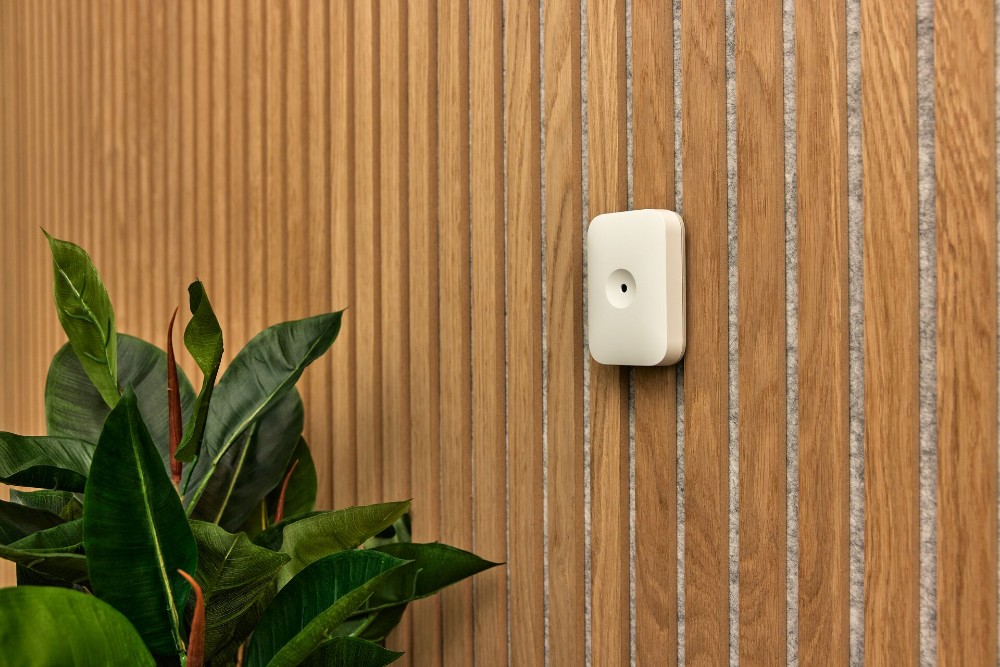
How security sensors work together
Your home security system is only as effective as the way its sensors communicate. With Vivint, every device connects to the Smart Hub—sending instant alerts, triggering alarms, and enabling remote access via the mobile app.
When used together, entry, motion, and glass-break sensors create a multi-layered defense:
- Perimeter sensors. These types of sensors alert you to breaches at main entry points, such as doors and windows.
- Interior motion sensors. Motion sensors detect movement inside, offering backup if someone bypasses the perimeter.
- Glass-break sensors. If any glass, such as a window or sliding door, is smashed to gain entry, these sensors catch break-ins that don't trip a door sensor.
Each sensor adds an extra layer of detection, improving response time and reducing blind spots. This layering strategy is valuable in a smart home setup, where instant notifications keep you informed even when you're away.
Vivint professional installation ensures each device is correctly placed and calibrated, which avoids common DIY mistakes like misaligned entry sensors or poorly positioned motion detectors. Everything connects via WiFi, and once the system is active, you'll receive real-time alerts to help you take immediate action and maintain peace of mind.
Related article
Door Sensors: How They Work and Why You Need Them
Entry sensors: door and window sensors
Entry sensors—often called door sensors or window sensors—are the front line of any alarm system. These small devices are mounted on doors and windows to detect when they're opened or closed. When the connection between the two sensor parts breaks (like when a door is opened), the sensor sends a notification to the Smart Hub and your mobile app, alerting you immediately.
There are two main types of entry sensors. Recessed sensors are installed within the frame of the door or window for a cleaner look. They are best for new construction or planned renovations. In contrast, surface-mounted sensors are installed directly on the surface with adhesive or screws. These sensors are ideal for existing homes or quick setups.
Vivint entry sensors are engineered for easy integration with your smart home system. Whether you're protecting a front door, a sliding window, or basement access points, these sensors connect wirelessly to the Smart Hub and provide real-time alerts to your phone number-linked mobile app.
Professional installation ensures sure each sensor is placed correctly on high-risk entry points. To keep your system running smoothly, check sensor batteries twice a year and replace them as needed. In addition, clean the contact surfaces occasionally to prevent misreadings due to dust or debris.
Here's a quick comparison of recessed and surface-mounted entry sensors to help you choose the right fit for your home:
| Recessed vs. Surface-Mounted Entry Sensors | |||
|---|---|---|---|
| Sensor type | Visibility | Best For | Installation Method |
| Recessed | Hidden within the frame | New builds or full renovations | Drilled into door/window frame |
| Surface-mounted | Visible but low-profile | Existing homes or quick upgrades | Adhesive or screw-mounted |
Motion sensors
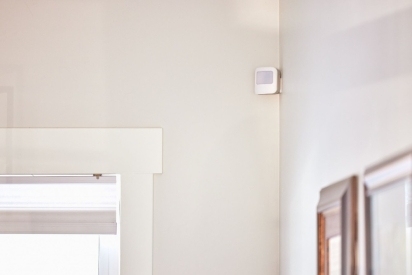
Motion sensors identify potential intruders who bypass perimeter defenses. Most motion detectors use PIR (passive infrared) technology, which senses movement by detecting changes in heat signatures—like a person walking through a room. When those heat changes cross a set threshold, the sensor signals the Smart Hub to trigger the alarm or send a mobile alert.
Some advanced security devices incorporate technologies like LiDAR or pressure sensors, offering more precision in high-security settings. But for residential use, Vivint motion sensors provide reliable detection with minimal false alarms, especially thanks to their pet-friendly design that ignores movement from animals under a certain weight.
It can be smart tp install motion sensors in:
- Hallways that connect multiple rooms
- Stairways to monitor vertical movement
- Ground-floor living areas and rooms with multiple windows
Unlike entry sensors, which detect when doors or windows open, motion sensors detect movement inside the home, which provides a second layer of protection if a burglar makes it past the perimeter.
Related article
Pros and Cons of Wired and Wireless Motion Detectors
Glass-break sensors
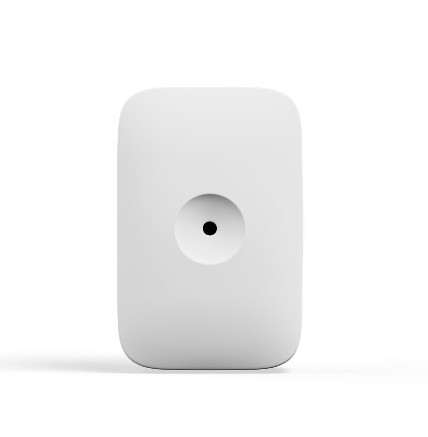
Glass-break sensors are specialized security devices designed to detect the sound frequency of shattering glass or sudden impact vibrations, such as a window being smashed during a break-in attempt. Rather than detecting movement, these sensors "listen" for the specific audio signature created when a pane of glass breaks.
Vivint glass break detectors use dual-shatter recognition to filter out background noise and reduce false alarms. That means they're tuned to ignore things like clattering dishes or slamming doors, focusing only on the distinctive sound of breaking glass.
These sensors don't replace motion or door sensors. Instead, they work alongside them to detect forced entry that might not trigger other alarms. For example, let's say an intruder breaks a pane of glass on a back window. Vivint sensor picks up the unique sound waves from the impact and triggers the alarm immediately before the person steps inside. If the intruder continues and enters the room, a motion sensor or door contact adds a second layer of detection.
How many glass break sensors do you need?
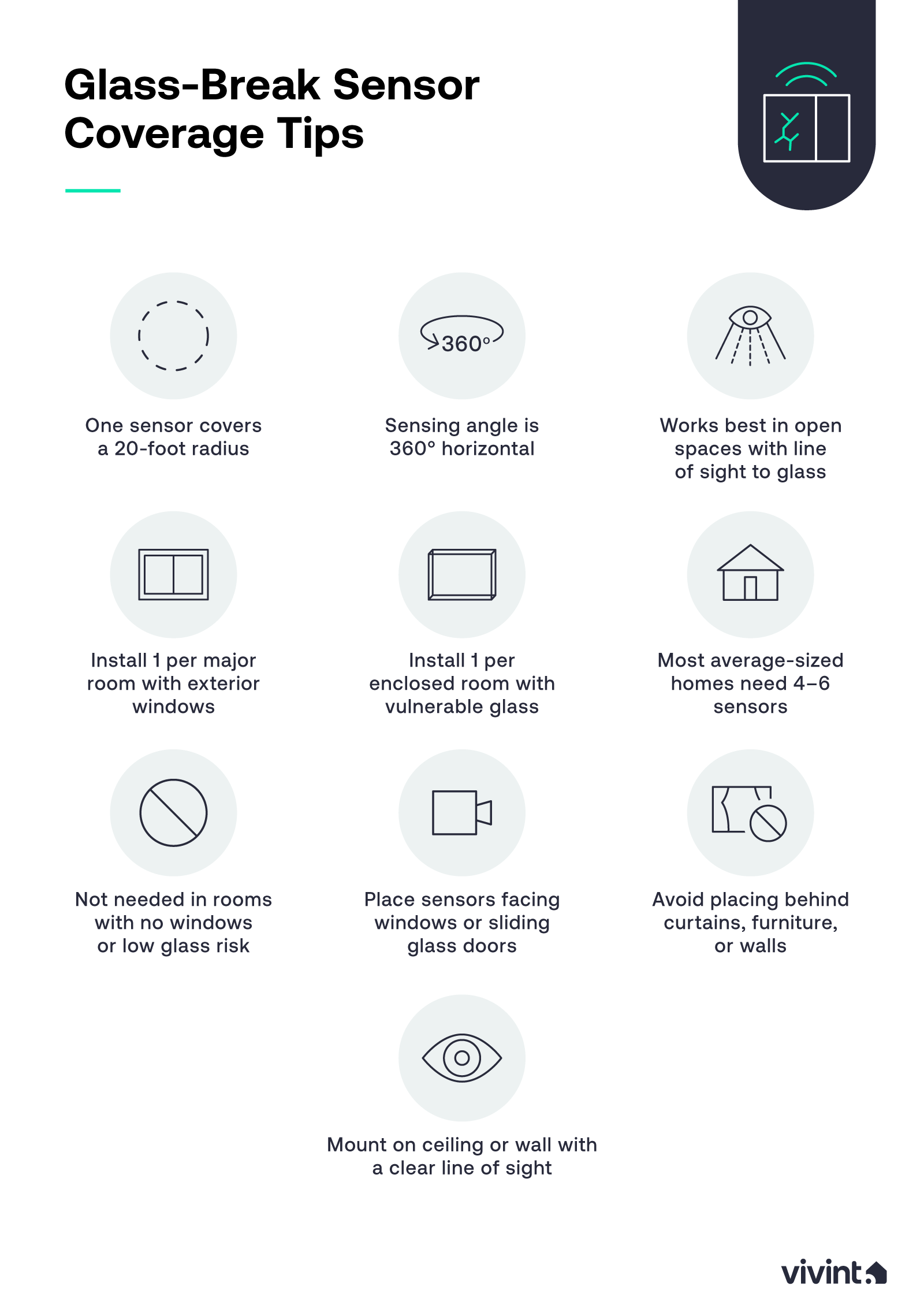
Determining how many glass break sensors you need depends on your home's layout, the number of windows or glass doors, and the size of open spaces. Vivint glass-break sensors cover up to a 20-foot radius with 360° horizontal sensing in unobstructed space, which is best for large rooms with multiple windows or sliding doors.
Here's how to estimate how many sensors you'll need and where to place them:
- One per room with glass exposure. Large rooms or open floor plans with windows or sliding doors should have one glass-break sensor per space.
- Four to six per average home. Most homes need one sensor in each main living area on the ground floor, totaling four to six units.
- Fewer in low-use areas. Rooms like basements, attics, or garages may not need coverage unless they have glass windows or doors.
- One sensor per enclosed space. Glass-break detectors don't work through walls, so you'll need to install one in each major enclosed room that contains vulnerable glass.
For accurate performance, maintain a line of sight between the sensor and the glass it's protecting. Mount sensors on ceilings or walls that directly face windows or sliding glass doors, and avoid placing them behind curtains, bulky furniture, or other sound-blocking obstacles.
Because correct placement and calibration are key to minimizing false alarms, Vivint recommends professional installation. The WiFi-connected sensors integrate directly into your system and deliver real-time alerts to the app, so you'll always know the moment a break-in attempt occurs.
Environmental sensors
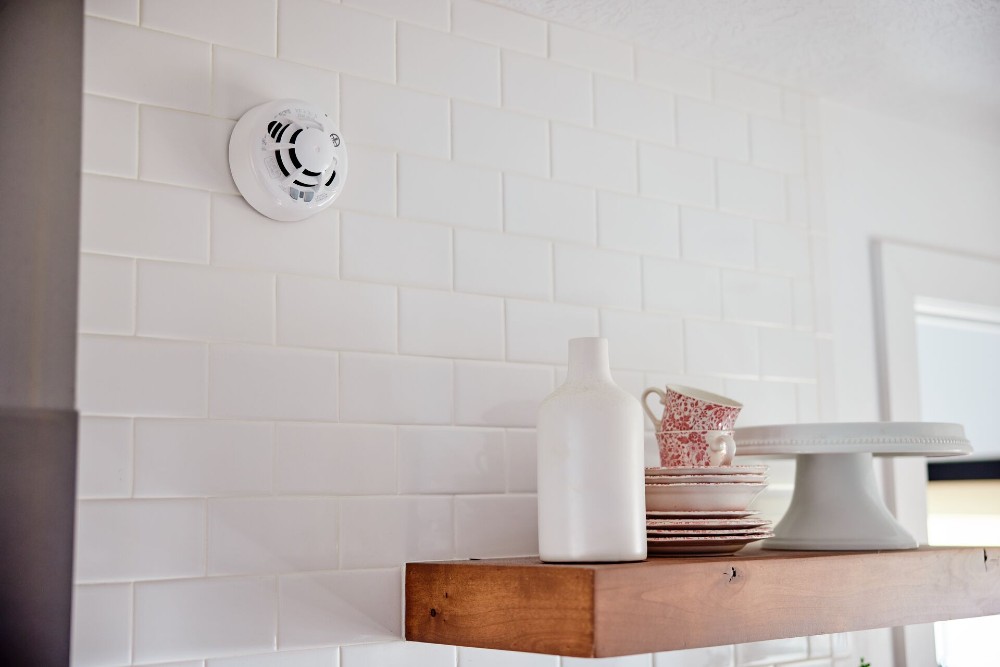
A complete home security system includes environmental sensors that monitor for fire, carbon monoxide (CO), and water damage. Vivint smart home environmental sensors connect directly to the Smart Hub and mobile app. If a hazard is detected, you'll receive a real-time alert, giving you the chance to act quickly and prevent further damage.
Proper placement is critical for effectiveness:
- Smoke detectors. Mount on ceilings or high on walls, ideally outside sleeping areas, and on each floor of your home.
- CO detectors. Place near bedrooms or any area where people sleep, as CO gas is odorless and dangerous.
- Water sensors. Install near high-risk areas such as basements, near water heaters, in laundry rooms, or under sinks.
These sensors should be cleaned regularly to prevent false alarms, and follow manufacturer guidelines for battery replacement. Most smoke and CO detectors should be replaced every 10 years to ensure reliable performance.
Although these devices are often available through DIY kits, Vivint recommends professional installation for proper placement and integration with your security system.
Comparing sensor coverage: layered security approach
A well-designed home security system protects against multiple types of threats—not just break-ins. Vivint uses a layered approach, combining different sensors to cover specific vulnerabilities across your home.
Each sensor type serves a distinct purpose:
- Entry sensors. Monitor doors and windows, which are the most common entry points for a burglar.
- Motion sensors. Detect movement inside the home, offering interior coverage after a perimeter breach.
- Glass-break sensors. Respond to the sound of breaking windows or doors, which is ideal for detecting forced entry without door movement.
- Environmental sensors. Alert you to hazards like smoke, CO, or water leaks before damage escalates.
This layered strategy ensures that no safety issue goes unchecked. If an intruder avoids one sensor, another provides an extra layer of protection. And environmental threats, which are often overlooked, are caught by dedicated sensors integrated into the same system.
With professional installation, Vivint technicians place each sensor for optimal coverage, focusing on all major entry points, ground-floor areas, and risk-prone locations for full-home protection.
Related article
How Do Window Sensors Work?
Protect your home with Vivint
A comprehensive home security system combines multiple sensors, including entry, motion, glass-break, and environmental sensors.
A Vivint professionally installed security sensor system includes reliable 24/7 monitoring, easy mobile app integration, and smart alerts that help protect what matters most. Whether it's the sound of breaking glass, unexpected movement, or a rising water leak, you'll know right away—and be ready to act.
Give us a call today at 855.822.1220 to start designing your system today.

Home security sensor FAQs
Below, we address some of the most common questions about building a smarter, more secure home security system to help you maximize protection and reduce the risk of false alarms.
Do I need a glass break sensor if I have motion sensors?
Yes—because glass break sensors and motion sensors serve different purposes. A motion sensor detects movement inside your home, while a glass break sensor listens specifically for the sound of breaking glass. If a window or glass door is shattered to gain entry, the motion sensor won't trigger unless the intruder moves within its detection zone.
Where should you place glass break sensors?
Proper glass break sensor placement is key to effective detection. Mount the sensor on a ceiling or wall that directly faces the windows or glass doors you want to protect. This positioning helps maintain a clear line of sight between the sensor and the glass surface, so it can pick up the sound waves produced during a break.
Avoid installing sensors in corners or behind heavy drapes and furniture, as these can block or muffle the sound of breaking glass. In addition, keep the area clear for optimal performance.
Where should I install motion detectors?
To maximize coverage, install motion detectors in high-traffic areas where an intruder is most likely to pass. Ideal locations include hallways, stairways, and main entryways, especially on the ground floor. Because placement and angle directly affect performance, Vivint recommends professional installation to avoid blind spots and minimize false triggers caused by pets or HVAC airflow.
Get a free quote today.
A Vivint Smart Home Pro will contact you within 24 hours. Or skip the form and call now: 844.481.8630.
Everything works together
Combine products
for a safer home
You may also like:
Home Security
How To Secure a Sliding Glass Door: 4 Burglar Tactics and the Fixes That Stop Each One
Jun. 05, 2026

Smart Guides
The In-Depth Guide to Security Sensors
From door alarms to motion sensors, each security sensor in your home serves an important and necessary role.
May. 22, 2026
Smart Home
How Motion Sensors Fit Into Your Smart Home
Motion sensors play a role in many smart home devices and smart home security systems, making your home safer and life more convenient.
Mar. 27, 2025
Related content
-
The In-Depth Guide to Security Sensors
From door alarms to motion sensors, each security sensor in your home serves an important and necessary role.
-
Glass Break Sensor & Detector
Vivint’s Glass Break Sensor will trigger an Alarm if Glass is broken within a 20-foot radius & 360° horizontal sensing. Call 866.955.5071 to Learn More.
-
Do You Need Both Glass Break and Window Sensors?
Both glass break sensors and window sensors are essential components of a home security system, each providing an additional layer of protection for your home.


