
Home security monitoring adds another powerful layer of protection to your home security system. Learn more about self vs professional monitoring and why home security monitoring is worth it for you.
Alarm Monitoring Cost: What Impacts the Price of 24/7 Protection?
*Quick answer:* Professional monitoring typically costs between $20 and $60 per month, depending on your provider, service type, and features included. Key factors affecting price include communication method, equipment type, installation, and contract terms. *Vivint 24/7 Professional Monitoring plans start at just $24.99 per month.*

When you invest in a home security system, the equipment is only part of the entire package. Ongoing professional alarm monitoring is an essential part of helping truly protect your home, loved ones, and belongings—especially when you're away or unable to respond to an emergency yourself.
But how much does a home security system cost when you add professional monitoring fees? Whether you're purchasing your first home security system or upgrading an older setup, understanding what influences the cost of monitored systems can help you make an informed decision.
In this guide, we'll explain what alarm monitoring is, what you can expect to pay, and how to choose a monitoring plan that fits both your needs and your budget.
Related article
How Does Alarm Monitoring Work?
Understanding alarm monitoring costs
Alarm monitoring is a service where a professional monitoring center receives alerts from your home security system and dispatches emergency responders on your behalf when needed.
Alarm monitoring is a service that connects your home's security system to a professional monitoring center. If an alarm within your home security system—such as a a break-in, fire, or medical event—is tripped, the central station is notified.
From there, the center’s professionals contact the homeowner and, if an emergency response is necessary, dispatch responders on your behalf.
Without professional monitoring, your security system may still sound an alarm or send a notification to your smartphone, but it’s up to you to determine whether the alarm is a false alarm or legitimate emergency and notify emergency responders.
Professional monitoring adds another layer of protection by ensuring someone is available to respond even if you're asleep, at work, traveling, or unable to answer your phone.

How much does alarm monitoring cost per month?
Professional alarm monitoring typically costs between $30 and $60 per month.
The monthly fee for professional alarm monitoring varies widely depending on your provider, level of service included, month-to-month versus contract, and so forth.
| Plan Type | Monthly Cost | Key Features Included |
|---|---|---|
| Basic | $20–$30 | Burglary alarm monitoring, emergency dispatch, mobile notifications |
| Premium | $40–$60+ | Video monitoring, smart camera alerts, cloud storage, smart lock integration, home automation, AI-powered features |
Basic monitoring plans that fall between $20 and $30 per month often include:
- Burglary alarm monitoring
- Emergency dispatch
- Mobile phone notifications
Premium monitoring plans typically have a monthly monitoring range from $40 to $60 or more per month and may include additional smart home features such as:
- Video monitoring
- Smart camera alerts
- Video storage
- Smart lock integration
- Smart home automation
- Advanced AI-powered features for security cameras
While monthly monitoring cost is important, it's just as important to understand what you're receiving for that investment. A lower-cost monitoring plan may not include the smart home functionality, video capabilities, or professional support that you may want or need to provide comprehensive monitoring or support your other devices.
Vivint Smart Home 24/7 monitoring has flexible plans that start at $24.99.
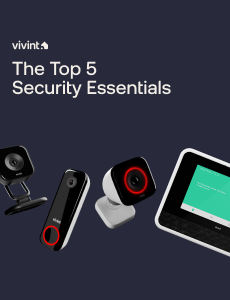
Download our guide to home security.
Home is everything, so protect it. In this free guide you’ll find the information you need to create a safer, more secure home with the added convenience and comfort that come with smart automation.
What factors affect alarm monitoring costs?
As you search for a provider, it’s helpful to understand the different variables that affect the price of alarm monitoring.
Key factors affecting alarm monitoring costs
- Communication method (landline, cellular, Wi-Fi)
- Type and number of devices installed
- Professional vs. DIY installation
- Contract length and billing options
- Video monitoring and cloud storage needs
Communication methods
Every monitored security system needs a way to communicate with the monitoring center. The communication method used can affect both reliability and monthly costs:
- Landline monitoring uses the home's telephone landline to send alarm signals to the monitoring center. While this option is typically the least expensive, it has become much less common as fewer and fewer people have landlines. Landlines can also be disabled if phone lines are cut during a burglary, making them a less secure option.
- Cellular communication uses cellular networks (like your phone) rather than relying on your home's internet or landline. This option is reliable because it keeps your system connected even if your power goes down or Wi-Fi is interrupted.
- Wi-Fi powered systems are connected via your home’s Wi-Fi. This type of monitoring can support advanced smart home features, like remote access and smart home device compatibility. Without some type of backup, however, communication with the monitoring center can be compromised if the Wi-Fi connection goes down or is interrupted.
The best type of connectivity for smart home security systems is a combination of Wi-Fi and cellular backup. This provides the best of both worlds. Vivint smart home systems, for example, utilize a dual cellular and Wi-Fi connection. Cameras and smart home devices use Wi-Fi for high-bandwidth activities, while the Smart Hub control panel uses a built-in cellular connection for 24/7 monitoring and alarms.
Equipment costs
Basic monitoring plans cover just that—the basic function of the security system, the burglar alarm, smoke detector, and in some cases the carbon monoxide detector (depending on the monitoring services).
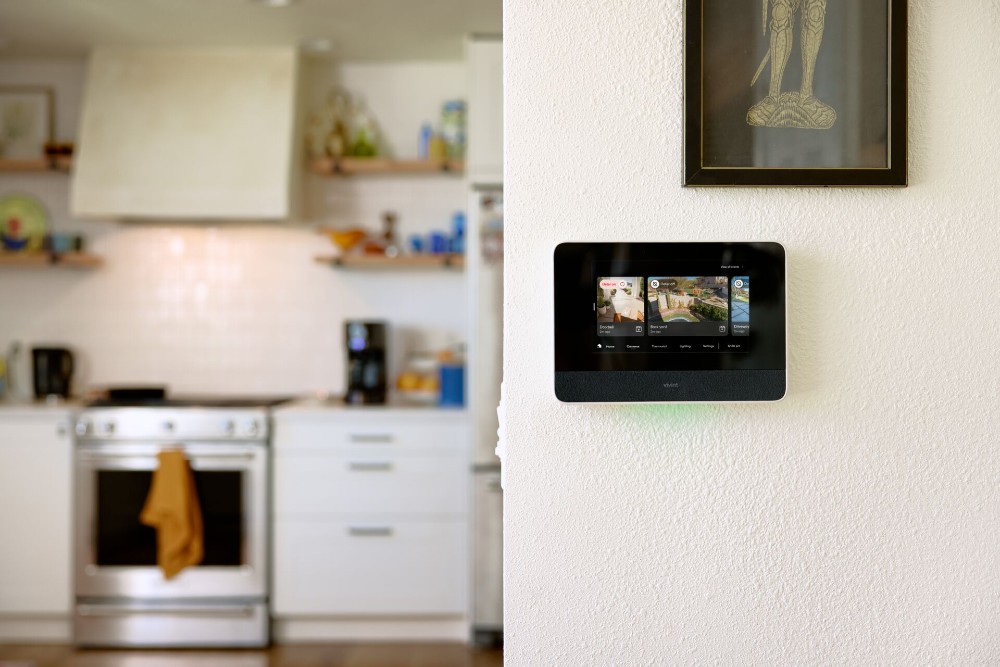
Smart home systems that have devices like cameras, smart locks, connected smoke detector and carbon monoxide detectors, thermostats, and automation will likely increase the cost of alarm monitoring.
The added monthly cost is mainly due to the associated and ongoing costs required for them to operate as intended, including add-ons like cloud storage, AI functionality, and advanced analytics.
Installation type
They type of installation you choose is another factor that can affect your overall cost.
There are two installation types for home security systems: professional installation and DIY installation.
DIY Installation
Many DIY security systems, often purchased as starter kits, are designed for homeowners to install themselves.
Advantages of this type of installation include:
- Lower upfront costs
- No professional installation fee
- Can be simple, depending on device
However, installation quality depends on the homeowner. Incorrect sensor placement or configuration can reduce the effectiveness of the alarm, potentially leading to false alarms or missed legitimate alarms. Additionally, DIY installs aren’t always designed with aesthetics in mind, so visible wires are possible.
Professional installation
Professional installation is just like it sounds—the security companies use professional technicians to do all the work. They install all of your hardwired and wireless devices, including ensuring the optimal camera, motion sensor, and device placement; verify signal strength; configure your smart home devices so they work together; and answer questions about device features and system operation.
Professional installation is particularly important for connected smart homes. Smart home integration is integral to making sure everything from your keypad to your video doorbell to your smart lighting all work together perfectly.
While most companies charge a one-time installation cost fee for this service, Vivint includes professional installation with all smart homes, making professionally installed systems affordable while ensuring all devices and components work together as they should.
Billing
How you pay for your security system can also influence your overall costs.
Paying upfront
Purchasing equipment outright generally means:
- No long-term contracts or financing payments
- Lower ownership costs
- Immediate ownership of equipment
Potential downsides of paying this way include:
- Higher upfront cost
Financing
Most security companies offer payment plans that allow homeowners to finance their equipment over time. This generally means:
- Lower upfront costs
- Predictable monthly payments
- Easier to purchase more comprehensive systems
Potential downsides to this method include:
- Higher overall cost over the life of financing, if interest is charged
- Monthly equipment payments in addition to monitoring fees
Both options can provide an affordable home security system, but the right choice depends on your budget, financial goals, and whether you'd rather minimize upfront expenses or long-term costs.
Related article
DIY vs Professional Installation
Self monitoring vs professional monitoring: Which should you choose?
Just as there are professionally installed and self-installed security systems, there are also professionally monitored and self-monitored systems.
One of the biggest decisions homeowners face is whether to choose self-monitoring or professional monitoring.
Self-monitored home security systems
With self-monitoring, there is no central station monitoring your alarms—your security system sends alerts directly to your smartphone. When an alarm is triggered, you are the one responsible for checking notifications, reviewing camera footage, determining whether an emergency exists, and then contacting emergency responders if needed.
Benefits of self-monitoring include:
- No monthly fee (or minimal fee)
- No monthly contracts
Drawbacks of self-monitoring include:
- Must have your phone on and alerts detectable to hear notifications
- Potential to miss important alerts
- No way to verify if it is an emergency or not when not at home
- Slower response times in a true emergency
Professionally monitored home security systems
Professional monitoring, on the other hand, uses trained monitoring specialists that are available around the clock to respond to alarms and coordinate emergency response when necessary.
Some of the benefits of a professionally-monitored system include:
- Peace of mind that your home is protected around the clock
- Response to alarms even when you’re unavailable or not home
- Faster response times in an emergency
Professional monitoring also becomes increasingly valuable as homes become more connected. Rather than managing each individual smart device separately, homeowners can benefit from a complete ecosystem that combines burglary detection through door and window sensors and motion detectors, indoor and outdoor cameras, home automation, environmental monitoring, temperature, lighting, and more into a single, connected experience.
While professional monitoring adds more to your monthly cost, most homeowners find the additional support, convenience, and peace of mind worth the cost. According to industry data, homeowners with professionally monitored alarm systems may qualify for homeowner’s insurance discounts of 5–20%.
Vivint combines 24/7 professional monitoring with connected security devices—including cameras, smart locks, alarm sensors, and automation—so your entire system works together. When an alarm is triggered, trained monitoring professionals can quickly assess the situation and help coordinate an emergency response, while you stay connected through the Vivint app.

Managing your alarm monitoring costs
Professional monitoring doesn't have to exceed your budget. You can build a system that provides round-the-clock protection you need while keeping your monthly costs manageable.
Before you decide on a monitoring plan, use these guidelines to help you:
Prioritize essential features
Start by identifying your biggest security concerns. This may include:
- Burglar alarms and window sensors at points of entry
- Environmental alarms like connected smoke alarms and carbon monoxide detectors
- Outdoor cameras or video doorbells to monitor outside of home
- Professional monitoring
You can always expand your system later to include things like smart lighting, smart locks, or home automation as your needs evolve.
Compare contract and financing options
When comparing providers, make sure you look beyond the initial advertised price. Ask questions to determine what the overall cost would be, including:
- Is the equipment cost included in the price?
- Are there financing charges (if financing smart home devices)?
- Are there any activation fees, other one-time fees, or annual fees?
- What happens if I move?
Once you’ve gathered all your info, you can start to make an apples-to-apples comparison. You may find it’s worth it to pay a little extra each month for professional monitoring and support for smart home devices.
Ask about discounts or bundles
You may also be able to reduce your overall cost through bundled packages or promotional pricing.
Some common discounts you can ask security companies about may include:
- Equipment bundles
- Seasonal promotions
- New homeowner offers
- Financing incentives
Some insurance companies also offer homeowners insurance discounts for homes with security systems, which can be help you save additional money.
Cost-saving checklist
Before choosing a monitoring plan, use this checklist:
✔ Identify your home's biggest security priorities
✔ Decide whether professional monitoring fits your budget and meets your needs
✔ Compare all costs, including equipment
✔ Understand financing and contract terms
✔ Ask about installation costs
✔ Look for available discounts and bundled offer
Taking these steps can help ensure you're investing in a system that meets your needs without paying for features you don't plan to use.
Related article
How Much do Home Security Systems Cost?
How to choose an alarm monitoring plan
Follow these steps to select the right monitoring plan for your needs:
- Assess your security priorities. Identify your home's vulnerabilities and must-have features
- Set your budget. Determine how much you can spend monthly and upfront
- Compare providers. Research pricing from multiple companies
- Evaluate features vs. cost. Match plan features to your actual needs
- Review contract terms. Understand length, cancellation policies, and fees
- Check for discounts. Ask about bundles, promotions, and insurance savings
- Consider future expansion. Choose a system that can grow with your needs

Finding the best professional monitoring at the right price
Today’s home security systems do more than just respond to emergencies; they make everyday life safer, more comfortable, and more convenient.
Vivint combines professional monitoring with smart home technology that helps you monitor your property, control connected devices, and receive meaningful alerts, all from one easy to use app. The result? A home that's not only more secure, but easier to manage. You can read more about how Vivint customers like their professionally monitored systems here.
Ready to start building your own smart home system? Give us a call at855.822.1220 or explore Vivint smart home packages and monitoring prices here.
Related article
The Importance of Professional Security System Installation
Frequently asked alarm monitoring questions
Still wondering if alarm monitoring is worth it? Learn answers to to some of the most frequently asked questions here.
How much does alarm monitoring cost per month?
Professional alarm monitoring generally costs between $30 and $60 per month, depending on the provider and the services included. Basic monitoring plans are usually more affordable, while premium plans with video monitoring, cloud storage, and smart home automation typically cost more.
What factors affect the pricing of alarm monitoring?
Several factors can influence monthly monitoring costs, including:
- Communication method (landline, internet, or cellular)
- Type of and number of smart devices installed
- Number of cameras installed
- Video monitoring and storage
- Professional versus self-installation
- Financing and payment options
Are there hidden fees I should watch for in a monitoring contract?
Yes, hidden fees can significantly impact your total monitoring cost. Before you sign up for a monitoring service, ask the providers about installation fees, equipment costs, activation charges, cancellation policies, service calls, equipment upgrades, moving charges, and financing terms. Knowing the full cost upfront can help you avoid unexpected expenses or budgeting issues.
Can professional monitoring help reduce homeowners insurance premiums?
Many insurance companies offer discounts for homes with professionally monitored security systems. The amount varies by insurer and policy, so it's worth asking your insurance provider whether your monitoring service qualifies for a premium reduction.
Get a free quote today.
A Vivint Smart Home Pro will contact you within 24 hours. Or skip the form and call now: 844.481.8630.
Everything works together
Combine products
for a safer home
You may also like:
Vivint Services
Is Home Security Monitoring Worth It?
Jun. 10, 2026
Vivint Services
How Much Does Alarm Monitoring Cost?
Learn how 24/7 alarm monitoring costs are structured, including equipment, installation, monthly fees, and key factors that impact total price.
May. 14, 2026
Security Cameras
Should I Get Security Cameras or an Alarm System?
Compare security cameras vs alarm systems and learn how a unified home security system can provide smarter peace of mind.
May. 12, 2026
Related content
-
How Much Does Alarm Monitoring Cost?
Learn how 24/7 alarm monitoring costs are structured, including equipment, installation, monthly fees, and key factors that impact total price.
-
Vivint Monthly Pricing: How Much Does a Vivint System Cost?
See exactly what you'll pay monthly with Vivint — equipment, monitoring, and financing options compared across packages. No guesswork, no surprises.
-
Home Security Contracts vs. No-Contract Systems: What You Need To Know
No contract home security: compare monthly plans vs no-contract systems, costs, monitoring, and smart home setup to find your best fit.


