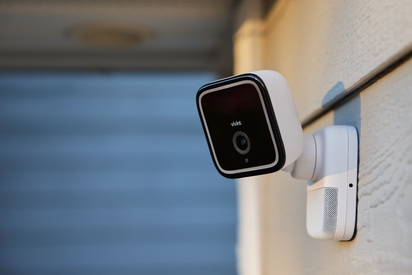
The Outdoor Camera Pro 3 takes smart features and functionality to the next level with powerful upgrades that protect your home and vehicle more accurately than ever.
The Best Energy Monitoring Tools in 2026: How To Lower Your Home’s Power Bill
Key takeaways
- Energy monitoring gives you real-time insights into your home's power use. This helps you see exactly where energy is going in your home.
- Energy monitoring cuts costs and improves efficiency in your home. See unusual usage spikes, and appliances that are using excess energy, plus identify small habits that can help reduce energy use over time.
- Installation and setup vary by system. Some energy monitors are simple DIY installs, while others may require professional installation in your electrical panel. Once set up and connected, you can begin tracking and optimizing energy use right away.
Ever feel like your electric bill keeps rising no matter how careful you are? In 2026, more homeowners are turning to energy monitoring systems to get a clearer view of where their electricity is going—and how to stop wasting it. By tracking energy usage in real time, these tools reveal which appliances and habits drive up your power bill. The result is smarter energy consumption, better control over electricity usage, and more opportunities to save money each month.
Energy monitoring is the process of measuring and analyzing how much power your home uses throughout the day. With the latest technology, it’s easier than ever to pinpoint energy-hungry devices and make informed decisions to reduce costs.
In this guide, you’ll learn how energy monitoring systems work, what features to look for, and which tools offer the best value in 2026. Whether you want to cut costs, improve efficiency, or simply understand your energy habits, the right solution can make a noticeable difference.
How does real-time energy monitoring work?
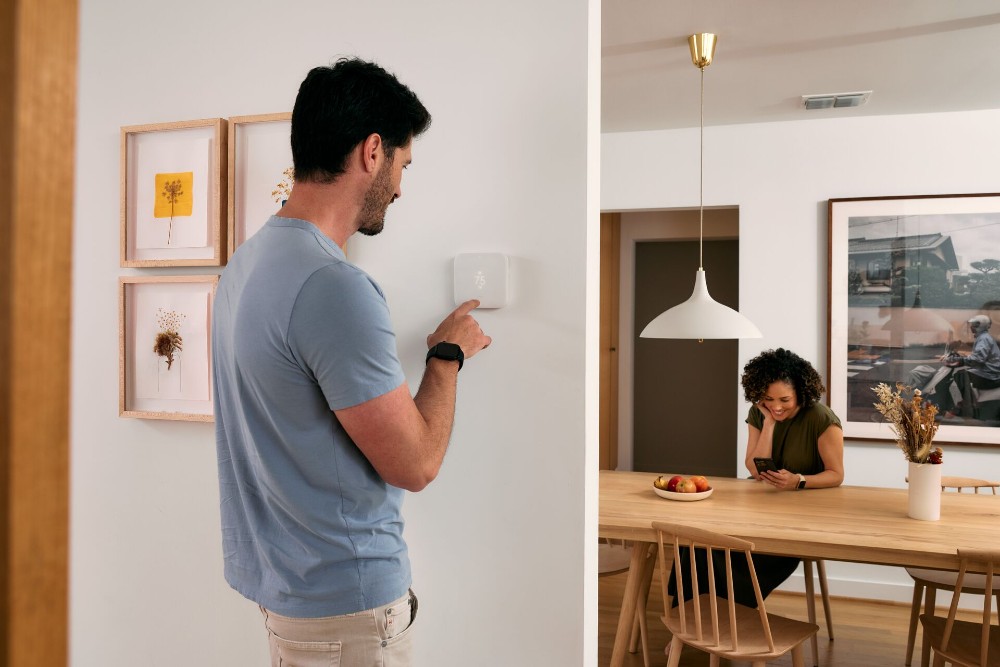
Real-time energy monitoring gives homeowners a view of how much electricity their home is using. These systems rely on connected devices—like power meters, smart plugs, and electricity meters—that track energy use across appliances and circuits. Once installed, the energy monitoring system communicates with your mobile devices or smart home setup using Wi-Fi, Bluetooth, or GHz frequency signals.
Data collected from each device is transmitted instantly to a centralized dashboard or mobile app. This lets you monitor energy use in real time, compare trends, and identify patterns of high consumption. Whether you're checking usage through a smart plug or reviewing whole-home metrics from a power meter, this constant flow of real-time data puts energy insights directly in your hands. Over time, that insight can lead to better energy habits and lower energy bills.
Why use energy monitoring?
A home energy monitor helps you take control of how much power you're using. By tracking electricity usage and identifying sources of wasted energy, these tools make it easier to improve your home’s energy efficiency and sustainability over time.
Here are some key ways real-time energy monitoring can make a difference:
- Cutting down on energy waste. Get notified when appliances are left on or when usage spikes unexpectedly.
- Spotting inefficiencies. Identify underperforming HVAC systems or older appliances that consume excess power.
- Tracking your electricity usage. View daily, weekly, or monthly consumption to understand your home’s energy behavior.
- Supporting long-term energy goals. Align your consumption habits with sustainability and cost-saving priorities.
Investing in an energy monitoring system helps you manage your energy consumption more effectively—saving money and reducing your environmental footprint in the process.

What to look for in an energy monitoring system
Choosing the right energy monitoring system means knowing which features offer the most value in 2026. Many top-rated tools now include intelligent features that work seamlessly with your smart home ecosystem and adapt to your lifestyle.
Here are some must-have features to prioritize:
- Mobile app compatibility. Look for systems that work with both iOS and Android devices for easy access on the go.
- Automation and notifications. Receive real-time alerts when energy use exceeds set thresholds, or automate routines based on usage.
- Time-of-use tracking. Understand how your energy use shifts throughout the day to make smarter decisions during peak hours.
- Smart home integration. Choose a system that connects with platforms like Vivint Smart Hub and voice assistants for streamlined control.
- Advanced functionality. Some systems include machine learning to predict usage patterns or track specific HVAC system performance.
These features improve energy management and make your home smarter, more responsive, and better equipped to handle evolving energy needs.
Related article
Saving Money through Energy Management and Home Automation
What are the top energy monitoring tools in 2026?
From whole-home systems to outlet-level trackers, the best energy monitoring tools in 2026 offer smarter ways to manage power consumption and cut energy costs. Whether you're looking for detailed data across your entire home or pinpoint control at the device level, there's a solution for every budget and setup:
- Vivint smart plugs. These plug-level monitors help you track individual appliances and automate usage for energy savings. They integrate seamlessly with your Vivint smart home system and can be managed from your mobile app.
- Emporia Vue Gen 2. A popular whole-home energy monitor that installs in your electrical panel and tracks usage across all circuits. It offers a comprehensive look at your power consumption and works well for those ready for professional installation.
- Sense Energy Monitor. This device learns your energy habits over time and identifies individual appliances without plug-in monitors. It’s a powerful option for tech-savvy homeowners looking for long-term energy savings and smart home integration.
- Aeotec Home Energy Meter. Designed for whole-home tracking, this meter supports Z-Wave and smart home platforms. It's best suited for users comfortable working inside the circuit breaker or hiring an electrician.
These devices vary in scope, cost, and installation complexity, but all are built to give homeowners better visibility and control over their home energy monitor system.
Can you get a free energy monitor?
Some utility companies and local energy programs offer free or discounted energy monitors as part of incentive or rebate initiatives. These programs often aim to promote energy efficiency and may provide a basic energy meter that connects to your home's panel or Wi-Fi.
While free systems can offer valuable insight into energy consumption, they may lack the detailed features of paid models, like automation, app-based control, or advanced analytics. Still, they’re a great way to start managing your energy bill and making smarter electricity choices that lead to long-term energy savings.
Even basic energy monitoring can help reduce your electric bill by spotlighting where you're using—and possibly wasting—power.

How to set up a home energy monitoring system
Setting up a home energy monitoring system can be simple or advanced depending on the solution you choose. Here’s a step-by-step overview to help guide your setup process:
- Select the right system. Decide between plug-level, whole-home, or a combination of both. Consider smart compatibility, data detail, and budget.
- Review installation requirements. Some systems, especially those using current transformers, may need to be installed inside your electrical panel or on your circuit breaker.
- Choose DIY or hire an electrician. While many systems are user-friendly, it's often safer and faster to opt for professional installation.
- Download the mobile app. Most systems rely on a mobile app for setup, monitoring, and ongoing data tracking. Make sure the app is compatible with your smartphone.
- Connect to your Wi-Fi or smart home system. Once powered, sync the monitor with your app using Bluetooth, Wi-Fi, or GHz signal, depending on the device.
- Start tracking energy use. View your dashboard and begin watching your home's energy monitoring system in action. You’ll start seeing patterns and opportunities for saving almost immediately.
How smart home integrations optimize energy use
Combining energy monitoring with a smart home system enhances both functionality and efficiency. When connected to platforms like the Vivint Smart Hub, these systems offer real-time notifications, intuitive automation, and better control over every aspect of your home’s energy use.
You can even connect products you love to your Vivint system for full integration. Place a Google Nest speaker in your home for voice control over lights, locks, and your Nest Thermostat. Or ask Google to dim the lights and lower the thermostat when you leave the house.
This level of integration allows your home to adjust in real time to your needs—saving energy when you’re away and optimizing power usage when you’re home. Beyond convenience, smart homes are a smarter path to long-term energy efficiency.
Related article
What Is Vivint? A Guide to Smarter Home Security and Automation
Make energy monitoring work for you in 2026
Energy monitoring is one of the most effective ways to understand and reduce your energy use in real time. By choosing the right tools and integrating them into a smart home ecosystem, homeowners can take control of their power monitoring, improve sustainability, and ultimately save money on their energy bill.
Whether you're just getting started or ready to level up your system, the key is to choose technology that delivers clear data and smart control. Vivint’s connected solutions are designed to help you simplify and streamline your energy efficiency efforts. Give us a call at 855.822.1220 to get started today.
Energy monitoring FAQs
Have questions about energy monitoring systems? See some of the top questions and answers about energy monitoring below.
What is real-time energy monitoring?
Real-time energy monitoring is the process of tracking how much electricity your home is using throughout the day. Connected devices like smart plugs, power meters, and electricity meters communicate usage data to a mobile app or dashboard, making it easy to see your home's energy use.
How can energy monitoring help lower my electric bill?
Energy monitoring helps you identify which appliances and habits drive up your power bill, spot wasted energy, and make smarter decisions about electricity usage, leading to more opportunities to save money each month.
Can I get a free energy monitor?
Some utility companies and local energy programs offer free or discounted energy monitors as part of incentive or rebate programs, though these basic systems may lack advanced features like automation and detailed analytics.
What features should I look for in an energy monitoring system?
Prioritize mobile app compatibility, easy automation features, real-time alerts, and time-of-use tracking. These features will give you a quick, real-time look into how your home is using energy.
Get a free quote today.
A Vivint Smart Home Pro will contact you within 24 hours. Or skip the form and call now: 844.481.8630.
Everything works together
Combine products
for a safer home
You may also like:
Security Cameras
Vivint Outdoor Camera Pro: Meet the Smartest Outdoor Camera on the Market
Feb. 04, 2026

Smart Guides
The Vivint Buying Guide: What's Included, Average Cost, and How to Buy
Interested in a Vivint Smart Home system but still have some questions? We've got answers for the most frequently asked questions about our security systems.
Nov. 07, 2019

Home & Family
10 Things You Probably Didn’t Know About Vivint
Vivint Smart Home is the number one smart home service provider in North America, and enhances the lives of children with intellectual disabilities through Vivint Gives Back.
Feb. 02, 2018
Related content
-
Saving Money through Energy Management and Home Automation
Learn how home energy monitors help homeowners track usage in real-time, automate energy management, and reduce electricity bills.
-
Home Energy Management System Explained: Smart Savings Made Easy
Understand how a home energy management system works and how Vivint's smart tools help optimize energy use.
-
Smart Energy Optimization: How Home Automation Can Cut Costs in 2026
Cut energy costs and boost efficiency in 2026 with smart home energy tools and home automation. Save money and power, and gain peace of mind.


