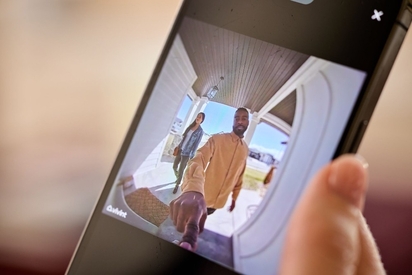
Learn what you can do from a security camera app, from viewing live or recorded footage to two-way talk with visitors and family members.
How Do Wireless Security Cameras Work?
Quick definition: A wireless security camera is a surveillance device that transmits video through radio frequency (RF) signals to cloud or local storage, eliminating the need for physical cable connections. These cameras record footage, send alerts, and may even deter lurkers when they notice suspicious activity.
Glossary of key terms:
- RF transmitter: A device that converts video into radio waves for wireless transmission
- Cloud storage: Remote servers that store your video footage online so it is accessible from anywhere with internet access
- Local storage: On-site storage via a microSD card or hard drive that connects to your camera
- IP rating: Ingress protection. Indicates a camera's resistance to dust and water
Key takeaways
- How do wireless security cameras work? Wireless cameras use RF transmitters to send video to cloud or local storage. They do not require cables and can operate without any wiring.
- What storage options to wireless cameras have? Choose between cloud storage (accessible from anywhere) and local storage (accessible locally).
- What are key features of wireless security cameras? Look for at least 1080p resolution, event detection, night vision, and remote access.
- What weather protection does a wireless camera need? Outdoor wireless cameras should have a weatherproof rating of IP65 or higher so they will be resistant to dust and water.
- How do you maintain a wireless security camera? Update firmware regularly monitor battery levels, and clean the lenses to ensure your video is clear.
With property crime rates increasing in the U.S., home surveillance is more important than ever.
Fortunately, many of today’s home security cameras can record a live view of your property, send alerts, and even scare off lurkers when it detects suspicious motion inside or outside your property.
There are different types of security cameras. If you want to take advantage of all the benefits of Wi-Fi technology, a wireless home security camera could be what you need.
In this guide, we explore how wireless security cameras work and how to ensure they stand the test of time with proper maintenance.

How do wireless security cameras work?
Wireless home security cameras work by transmitting the camera’s video through a radio (RF) transmitter. The receiver connects to a built-in storage device or cloud storage, which gives you an easy link to access your images or video clips.
Wireless security cameras are much simpler to install than wired ones, as you don’t have to connect wires or drill into walls. They are also ideal if you plan to change your cameras' locations often.
Moreover, wireless technology offers several convenient features, such as remote viewing, two-way audio, and scheduled recording.
Vivint’s home security camera systems can also help prevent crime by scaring away potential intruders with light and sound — giving you that much-needed peace of mind whether you’re near or far from home.
You can access all these features remotely through your mobile device, a touch-screen base station like the Vivint Smart Hub, or even voice-enabled technology.
Include a security camera as part of your wireless alarm system for full home coverage.
Related article
Understanding Wireless Communication in Doorbell Cameras
Wireless vs wired security cameras
Understanding the differences between wireless and wired cameras will help you choose the right device for your home.
Wireless camera pros and cons
Wireless security camera pros:
- Easy installation. No drilling or cable routing required.
- Flexible placement
- Easy relocation
Wireless security camera cons:
- Dependent on Wi-Fi strength
- May require battery replacement
- Interruption in performance with Wi-Fi issues
Wired camera pros and cons
Wired security camera pros:
- Consistent, reliable connection
- No Wi-Fi dependency
- Continuous power supply without battery concerns
Wired security camera cons:
- Professional installation recommended due to cables and drilling
- Fixed placement once installed
- Potentially more expensive upfront
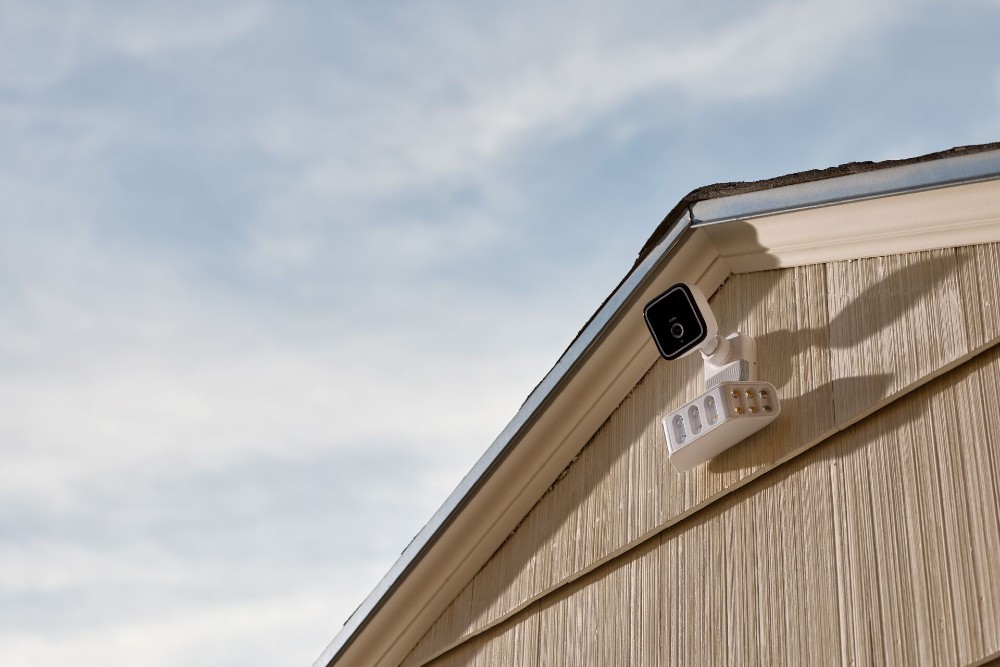
Wireless security camera features
Video quality, motion detection, and night vision are a few key features to pay attention to when deciding on a wireless security camera:
| Feature | Description | Why It Matters |
|---|---|---|
| Video quality | Resolution measured in pizels Look for at least 1080p |
Clearer footage makes it easier to identify faces and details |
| Motion detection | Sensors detect movement and trigger recording or alerts | Captures events automatically |
| Night vision | Infrared technology captures footage in low-light conditions | Camera captures footage regardless of lighting |
| Remote access | View live and recorded footage from anywhere via the camera's app | Monitor your home and check in from anywhere at any time |
| Two-way audio | Built-in speaker and microphone for easy communication | Speak to visitors or deter intruders remotely |
| Cloud storage | Online storage for video footage | Access recordings from anywhere Footage protected from physical theft |
| Scheduled recording | Specific times camera is set to record | Saves battery for wireless cameras |
| Smart home integration | Works with voice assistants and other smart devices | Control your camera with voice commands and integrate with your whole home |
Wireless camera limitations
Before choosing a wireless security camera, be aware of these potential limitations:
- Wi-Fi dependency: Video streaming and remote access require a stable internet connection
- Network bandwidth: Multiple cameras streaming HD video can impact your home network
- Signal interference: Walls, appliances, and physical distance from your home's router can weaken your camera's performance in a way that doesn't happen with wired cameras
- Battery maintenance: Battery-powered cameras require regular charging or replacing (typically every 2–6 months depending on usage)
- Security vulnerabilities: Wireless cameras are more susceptible to hacking than wired cameras if they are not properly secured with strong passwords and firmware updates
Download our home security camera guide.
Indoor, outdoor, doorbell—we’ve got them all. Learn how security cameras can protect your home and family with this free guide.
How to maintain wireless security cameras
Proper maintenance is key to keeping your wireless security camera system running for years. Taking care of your cameras can also help you get the best performance possible.
Here are some maintenance tips to keep your security camera working optimally:
- Update firmware monthly to protect against security threats and ensure optimal performance
- Clean camera lenses quarterly using a soft, lint-free cloth
- Check batteries weekly if using battery-powered cameras, and recharge when below 20%
- Review camera placement seasonally to account for changes in foliage or lighting
- Test camera connectivity regularly to ensure your Wi-Fi reaches the camera well
- Monitor for camera downtime by enabling offline notifications in your app
- Keep camera safe from tampering by installing outdoor cameras 9 ft high
How to prepare wireless security cameras for bad weather
The best thing you can do to prepare your wireless security camera for bad weather is make sure you purchase a weather proof camera. Weatherproof home security cameras, like the Vivint Outdoor Camera Pro, are specifically designed to withstand the elements. Marked with an IP rating of IP65, you shouldn’t have to worry about bad weather affecting your device.
During poor weather conditions, you can also use your wireless home system to see what’s happening in your surroundings and take any precautionary measures.
For example, during a tornado warning, you can use your Vivint app to lock the garage doors without stepping outside and putting yourself in danger.

Discover wireless security cameras from Vivint
Thanks to wireless home security cameras, you can stay connected from anywhere using an internet connection.
Hybrid wired/Wi-Fi cameras from Vivint deliver the reliability of a wired security system with the convenience of wireless connectivity. Wired power keeps your cameras running around the clock, while Wi-Fi gives you remote access, instant alerts, and seamless integration with your smart home. It's dependable protection with the flexibility modern homeowners expect.
If you’re on the hunt for the best home security camera, contact our Smart Home Pros at 855.822.1220 for a free consultation today.
Wireless security camera FAQs
Understanding how wireless security cameras work can help you decide if they are the right type of camera for you.
How difficult is installing a wireless security camera yourself?
Wireless security cameras are much easier to install than wired cameras and usually don't require professional installation. Installation may be as simple as pairing the camera with its associated app, making sure it is hooked up to Wi-Fi, and then placing it in your desired location.
It’s better to avoid the DIY route and hire a professional installer in some cases (like when you’re setting up a complete smart ecosystem, adding integrations, or installing devices in hard-to-reach areas).
Leaving installation to the experts can save you time and effort. They can also provide recommendations and product training, which can help you get the most out of your home security device.
Not to mention that professional installation guarantees seamless integration with your current home setup, including floodlight cameras and video doorbell cameras.
If you need help with your home security camera installation, get in touch with our Smart Home Pros.
Do wireless security cameras need Wi-Fi?
Wireless security cameras require Wi-Fi for live streaming, remote access, and receiving alerts. They can, however, still record to local storage (microSD cards or hard drives) when offline, so they are still functional.
Your wireless security camera must be connected to the internet to view a live video stream of your home and receive alerts. You also need a Wi-Fi connection to control your camera’s settings, adjust the field of view, and watch video recordings.
You can use a micro-SD card, a hard drive, or local storage to temporarily store recordings when the camera isn’t online. This is also a great solution when your internet connection is unstable or intermittent.
How do wireless cameras store footage?
Wireless cameras store footage either in the cloud (remote servers accessible via internet) or locally on micro-SD cards and hard drives connected to the camera or a recording device.
What is an IP rating for cameras?
An IP (Ingress Protection) rating indicates a device's resistance to dust and water. The first digit (0-6) measures dust protection, and the second digit (0-8) measures water protection. For outdoor cameras, IP65 or higher is recommended.
Do wireless cameras work in cold weather?
Wireless cameras can work outside if they are rated for the weather. Look for IP65 or higher, which indicates the camera is resistant to extreme temperatures, dust, and water.
If you plan to install your camera outside, it’s smart to opt for an outdoor home security camera like the Vivint Outdoor Camera Pro.
Outdoor security cameras are made with weather-resistant materials to withstand cold temperatures and extreme weather conditions like hail, dust, snow, and heat.
Get a free quote today.
A Vivint Smart Home Pro will contact you within 24 hours. Or skip the form and call now: 844.481.8630.
Everything works together
Combine products
for a safer home
You may also like:
Security Cameras
What Can You Do From a Security Camera App?
Oct. 06, 2026
Security Cameras
How Many Home Security Cameras Do I Need?
How many security cameras you need often comes down to having enough cameras to effectively cover the most vulnerable and important areas of your home.
Sep. 22, 2026
Security Cameras
Do Vivint Cameras Work Without Wi-Fi?
Learn how Vivint cameras work without Wi-Fi, what happens to recordings during an internet outage, and which security features stay connected.
Sep. 18, 2026
Related Content
-
How Do Doorbell Cameras Work?
Learn how doorbell cameras work, including their features, and why you should install one now.
-
How Do Wi-Fi Security Cameras Work? Understanding the Technology...
Learn how Wi-Fi security cameras work, their key features, and how to place them for optimal protection.
-
Do Security Cameras Work Without Wi-Fi? Wired and Cellular Options...
Find out how security cameras work without Wi-Fi, including wired, cellular, and local storage options.


